
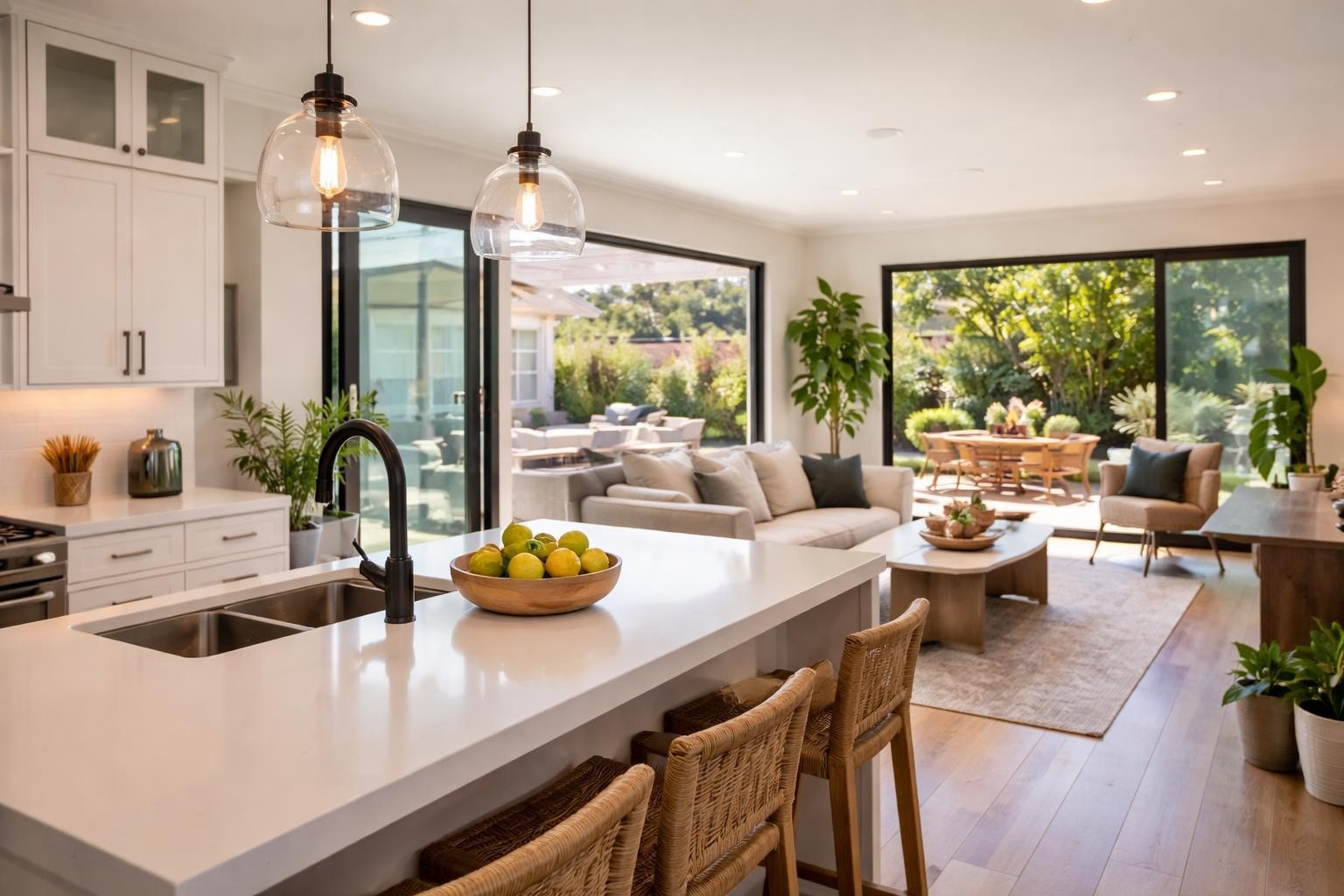

When preparing a property for sale, understanding which features in a house truly matter to buyers can make the difference between a quick sale and months on the market. Today's buyers arrive with specific expectations shaped by lifestyle needs, energy costs, and long-term value considerations. The most successful listings showcase a strategic combination of functional layouts, quality finishes, and modern conveniences that resonate with target demographics. Whether you're staging a luxury property or a family home, knowing which elements capture attention and justify offers requires both market awareness and design expertise.
Foundational Layout and Flow
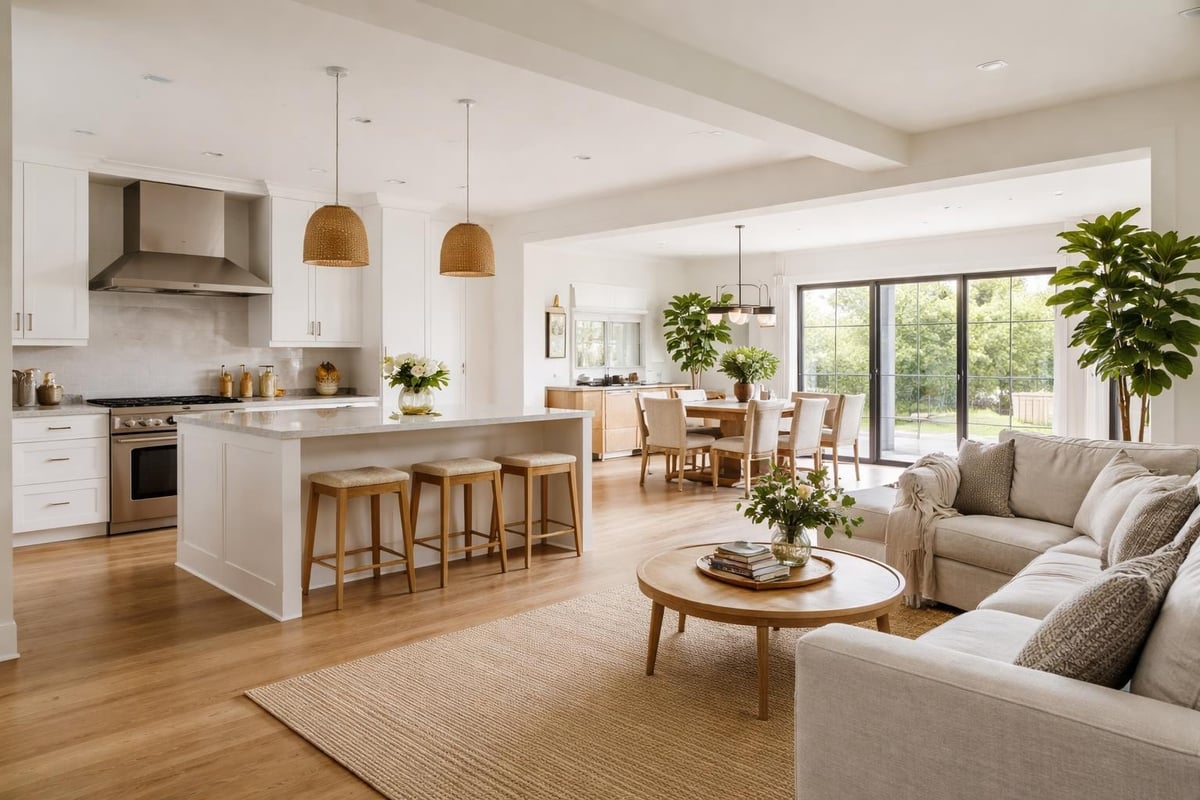
The architectural bones of a property establish its fundamental appeal. Open floor plans continue to dominate buyer preferences, as they create visual spaciousness and facilitate modern living patterns. Primary living areas that connect seamlessly between kitchen, dining, and living spaces allow homeowners to entertain while maintaining conversation flow.
Room count matters, but functionality matters more. Today's buyers prioritize:
Flexible spaces that adapt to home offices, fitness areas, or multi-generational living
Adequate storage integrated throughout the home rather than concentrated in garages
Natural traffic patterns that don't force movement through bedrooms to reach common areas
Clearly defined zones within open concepts that maintain purpose without sacrificing flow
The master suite location significantly impacts perceived value. Main-floor primary bedrooms appeal to buyers planning to age in place, while upstairs configurations offer privacy and separation from entertaining spaces.
Ceiling Heights and Natural Light
Ceiling heights contribute more to spatial perception than square footage alone. Standard eight-foot ceilings feel dated compared to nine or ten-foot alternatives that create airiness and accommodate larger windows. Vaulted or coffered ceilings in key areas add architectural interest without requiring extensive square footage.
Window placement and size directly influence how buyers experience spaces during walkthroughs. South-facing windows maximize natural light in living areas, while strategic window positioning creates cross-ventilation that reduces cooling costs. Features in a house that emphasize natural illumination consistently outperform comparable properties with limited daylight access.
Kitchen and Bath Specifications
Kitchens remain the most scrutinized rooms during property evaluations. Modern buyers expect specific material choices and configurations that signal quality and reduce immediate renovation needs. Granite or quartz countertops have become baseline expectations rather than luxury upgrades, while laminate surfaces can trigger price reduction negotiations.
Feature Category | Buyer Preference | Impact on Value |
|---|---|---|
Countertops | Quartz, Granite, Marble | High - signals quality |
Cabinetry | Soft-close, Full extension drawers | Medium - daily convenience |
Appliances | Stainless steel, Energy Star rated | High - visual cohesion |
Backsplash | Tile, Glass, Natural stone | Medium - design polish |
Islands | Multi-functional with seating | High - central gathering point |
Cabinet quality supersedes decorative hardware in buyer assessment. Soft-close mechanisms and full-extension drawers demonstrate attention to build quality that extends beyond visible surfaces. White, gray, and natural wood tones maintain broader appeal than bold color choices that may require replacement.
Bathroom Updates and Fixtures
Bathroom conditions heavily influence buyer confidence in overall property maintenance. Outdated tile, worn fixtures, or inadequate lighting suggest deferred maintenance that extends beyond cosmetic concerns. Walk-in showers with frameless glass enclosures have displaced tub-shower combinations as the preferred primary bath configuration.
Double vanities in primary bathrooms have transitioned from luxury features to standard expectations in homes above entry-level pricing. Modern faucets in brushed nickel, matte black, or chrome finishes update spaces more cost-effectively than complete renovations. According to research on desirable home features, bathrooms with updated fixtures and neutral palettes generate significantly more showing requests.
Flooring Materials and Finishes
Flooring creates immediate impressions that influence entire property perceptions. Hardwood floors remain the gold standard, with oak, maple, and engineered alternatives providing durability alongside aesthetic appeal. Wide-plank formats in medium to dark stains align with contemporary design preferences while offering practical maintenance advantages.
Carpet placement requires strategic consideration:
Bedrooms benefit from carpet's sound absorption and comfort
Living areas perform better with hard surfaces that accommodate various furniture arrangements
Basements often require carpet for warmth and moisture management
Stairs need low-pile, dense fiber options for safety and longevity
Luxury vinyl plank (LVP) has emerged as a practical alternative in moisture-prone areas, offering water resistance with wood-look aesthetics. Quality installation matters as much as material selection, as uneven transitions or visible gaps undermine otherwise premium finishes.
Tile and Stone Applications
Tile selection impacts both function and style perceptions. Large-format tiles (12x24 inches or larger) create contemporary aesthetics with fewer grout lines to maintain. Kitchens and bathrooms benefit from porcelain tile's water resistance and durability, while natural stone in entryways signals luxury positioning.
Heated floors in primary bathrooms represent a relatively modest investment that delivers disproportionate buyer enthusiasm. This feature particularly resonates in markets where morning routines during cooler months factor into daily comfort considerations.
Energy Efficiency and Smart Home Integration
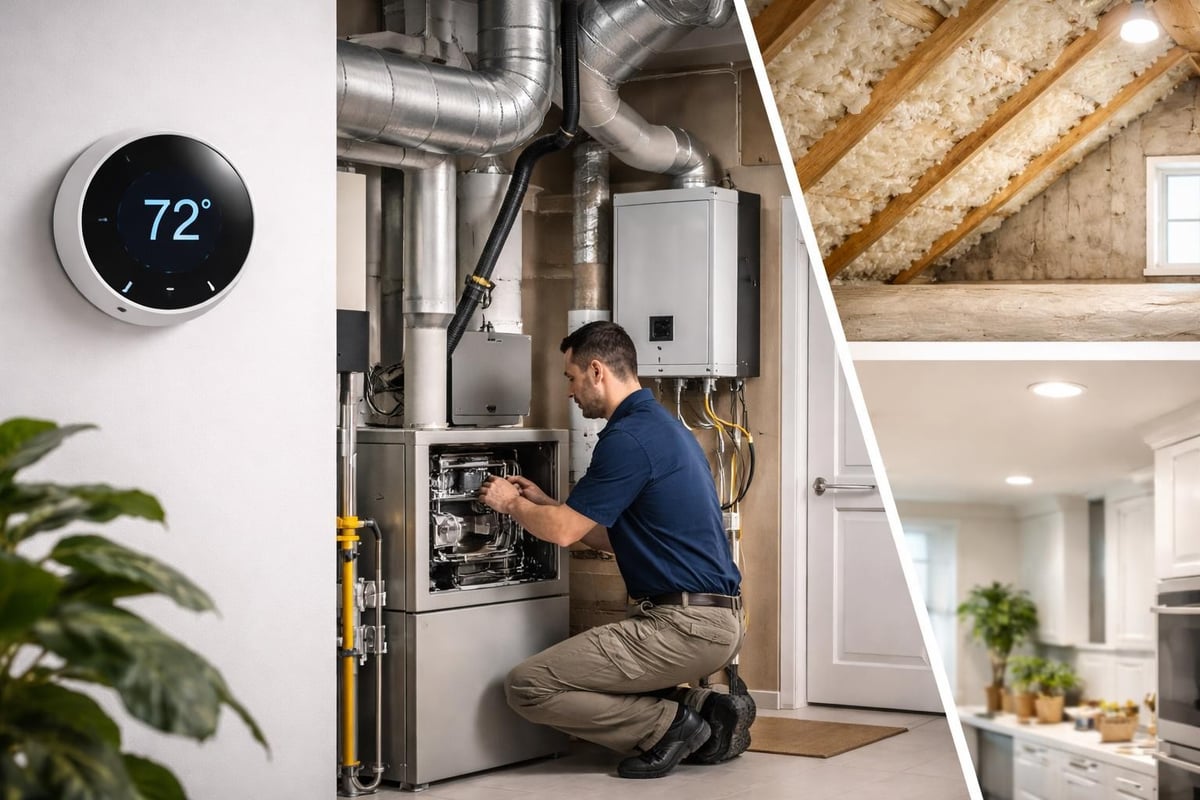
Modern buyers increasingly evaluate operating costs alongside purchase prices. Energy-efficient home design has transitioned from niche interest to mainstream requirement, with features in a house that reduce utility expenses commanding premium positioning. Dual-pane or triple-pane windows with low-E coatings minimize heat transfer while reducing outside noise.
HVAC systems represent significant buyer concerns, as replacement costs can exceed $10,000. Properties with newer systems (less than five years old) or high-efficiency models receive preference over those requiring immediate capital investment. Programmable or smart thermostats demonstrate both energy consciousness and technological integration.
Energy Feature | Annual Savings Potential | Buyer Appeal Level |
|---|---|---|
LED Lighting Throughout | $200-300 | Medium |
Smart Thermostat | $180-250 | High |
Solar Panels (owned) | $1,200-1,800 | High |
High-Efficiency HVAC | $400-600 | Very High |
Insulation Upgrades | $300-500 | Medium |
Smart Home Technology
Voice-controlled systems, automated lighting, and integrated security platforms increasingly influence purchase decisions. Smart doorbells with video capabilities address security concerns while offering convenience that buyers experience immediately during showings. Whole-home automation systems appeal to tech-forward buyers but may require user-friendly interfaces to avoid intimidation.
Pre-wired infrastructure for future technology integration provides flexibility without forcing specific platform commitments. Structured wiring for ethernet, security cameras, and audio systems accommodates buyer preferences while signaling forward-thinking construction quality.
Outdoor Living and Curb Appeal
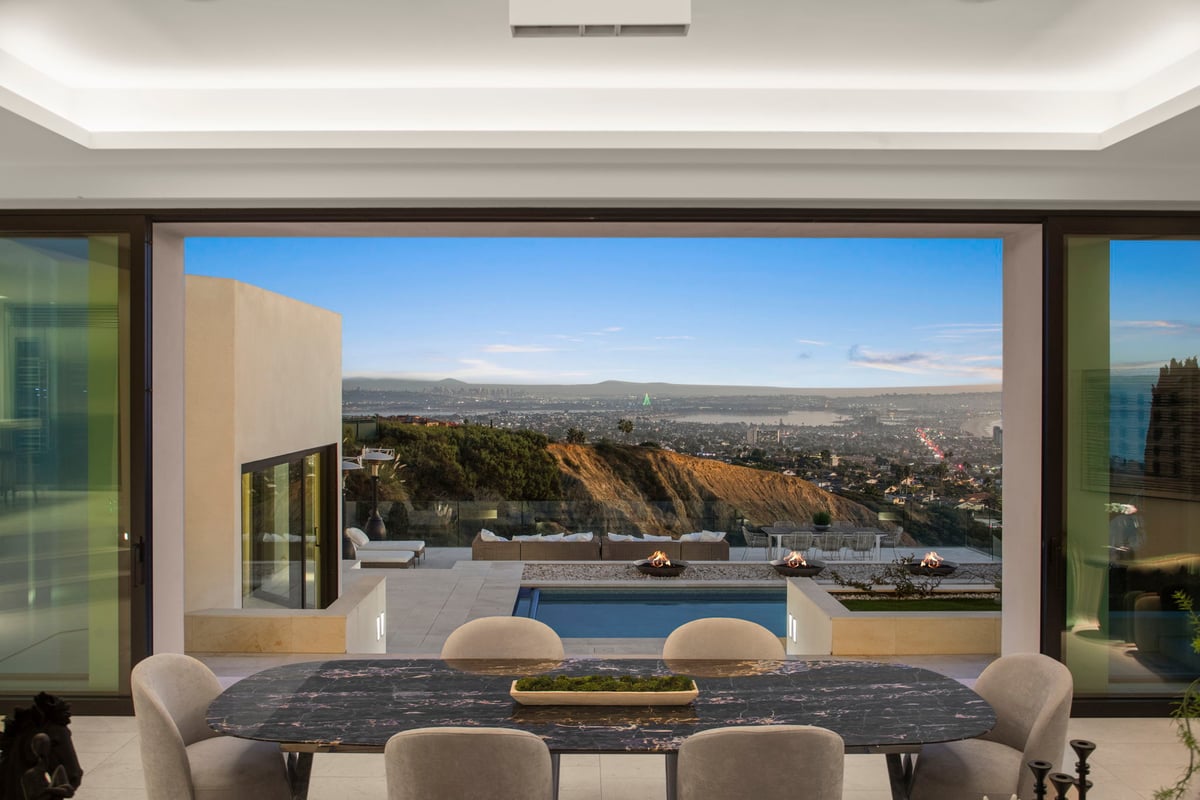
First impressions form within seconds of arrival, making exterior features critical to showing success. Professional landscaping with defined beds, mature plantings, and seasonal color creates immediate emotional connections. Hardscaping elements like pathways, retaining walls, and decorative borders demonstrate property care extending beyond structural maintenance.
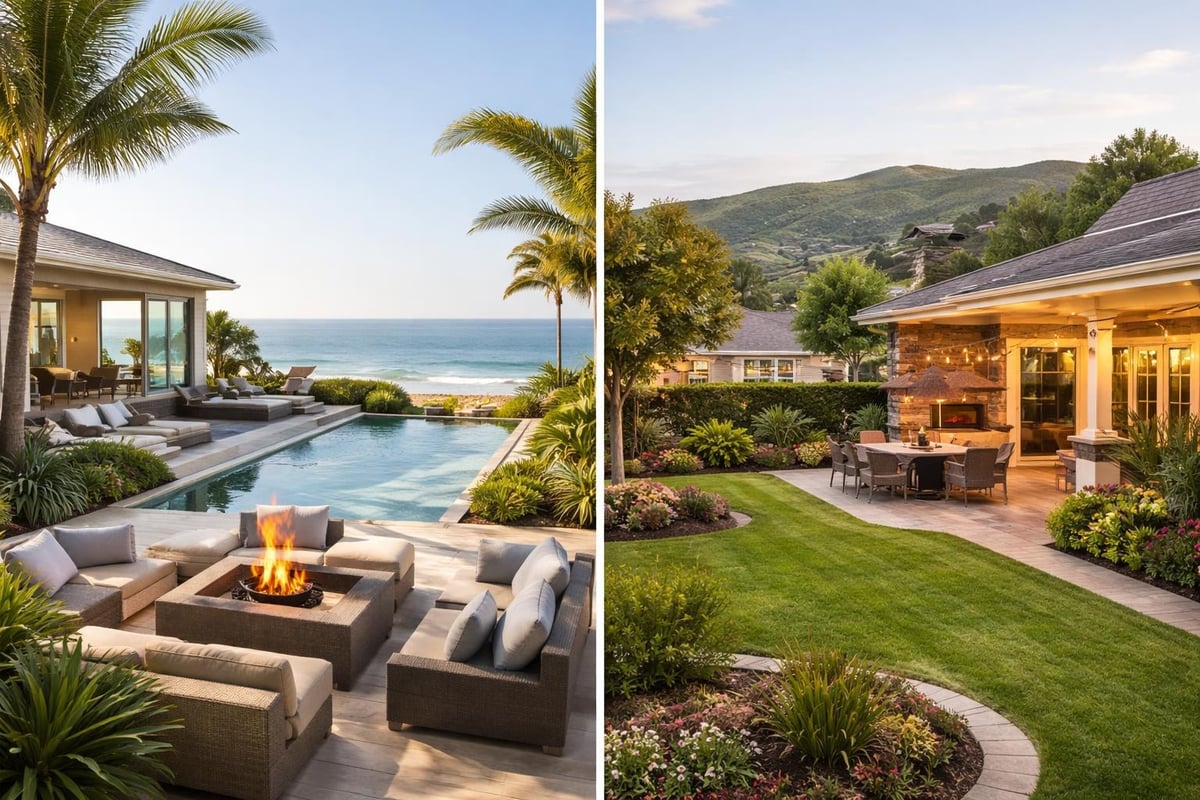
Outdoor living spaces have evolved from simple patios to fully equipped entertainment zones. Features that maximize property appeal include:
Covered patios or pergolas extending living space regardless of weather
Built-in grills or outdoor kitchens for al fresco dining
Fire pits or fireplaces creating gathering focal points
Adequate lighting for safety and ambiance after dark
Low-maintenance materials reducing long-term ownership burden
Privacy fencing balances openness with seclusion, particularly important in urban or densely populated areas. Composite materials eliminate painting requirements while providing contemporary aesthetics that complement various architectural styles.
Garage and Storage Solutions
Three-car garages significantly broaden buyer pools compared to two-car alternatives, particularly in suburban markets where vehicle ownership averages exceed two per household. Finished garage interiors with epoxy floors, storage cabinets, and adequate lighting transform utilitarian spaces into functional extensions of the home.
Additional storage through sheds, built-in shelving, or climate-controlled closets addresses universal buyer concerns about belongings management. Walk-in pantries in kitchens and organized closet systems in bedrooms demonstrate thoughtful space utilization that resonates across demographics.
Interior Design Elements and Staging
The way features in a house are presented often matters as much as the features themselves. Strategic staging highlights architectural advantages while minimizing limitations through furniture placement, lighting design, and decorative choices. Neutral color palettes allow buyers to envision personal style integration without triggering immediate renovation plans.
For properties requiring elevated presentation, professional staging services create the emotional connections that drive competitive offers. Our Luxury Home Staging package transforms key living areas through premium furniture, curated artwork, and refined styling that positions properties for maximum market impact and faster sales cycles.
Lighting layers create depth and functionality throughout spaces. Ambient, task, and accent lighting work together to illuminate activities while creating visual interest. Dimmer switches provide flexibility for various times of day and activities, a detail savvy buyers notice during evening showings.
Architectural Details and Finishes
Molding and trim work elevate standard construction to custom quality perceptions. Crown molding in living areas, wainscoting in dining rooms, and baseboards exceeding standard heights add architectural character without structural changes. Door hardware, light fixtures, and cabinet pulls in coordinated finishes create cohesive design narratives.
Built-in shelving flanking fireplaces or in home offices provides both function and focal points. These custom elements suggest quality construction while offering practical storage that standalone furniture cannot replicate. When evaluating home staging portfolios, notice how professional designers emphasize these architectural details through strategic accessorizing.
Functional Utility Spaces
Laundry room configurations impact daily routines more than buyers initially recognize. Main-floor locations eliminate stair navigation with heavy loads, while adequate counter space for folding and built-in storage for supplies enhance functionality. Side-by-side washer-dryer placement accommodates front-loading models more effectively than stacked configurations.
Mudrooms serve as transition zones between outdoor and indoor spaces, containing mess before it distributes throughout homes. Dedicated storage for shoes, coats, and bags prevents clutter migration into primary living areas. Bench seating and hooks at child-accessible heights demonstrate family-friendly design thinking.
Pantries extend beyond food storage to accommodate small appliances, bulk purchases, and seasonal items. Walk-in configurations with adjustable shelving provide maximum flexibility, while pull-out organizers and lazy Susans optimize corner spaces that often become dead zones.
Location-Specific Considerations
Regional preferences significantly influence which features in a house generate buyer enthusiasm. San Diego properties benefit from outdoor living emphasis, while northern climates prioritize insulation quality and heating efficiency. Coastal proximity increases demand for low-maintenance materials resistant to salt air corrosion.
Working with experienced staging professionals ensures properties emphasize features most valued in specific markets. Local expertise identifies which upgrades deliver return on investment versus those that exceed buyer expectations without increasing competitive positioning.
Neighborhood context matters when selecting feature emphasis. Luxury markets expect high-end finishes as baseline, while first-time buyer segments prioritize move-in readiness over premium materials. Understanding demographic targeting shapes which elements receive highlighting during marketing and showing preparation.
Property Type Variations
Single-family homes emphasize yard space and privacy features, while condominiums highlight low-maintenance benefits and amenity access. Townhomes balance private outdoor space with reduced exterior maintenance responsibilities. Multi-generational properties require separate living zones with independent kitchen and bathroom access.
Investment properties prioritize durable materials and efficient layouts that minimize vacancy periods and maintenance calls. Features appealing to renters differ from owner-occupied preferences, requiring strategic positioning based on intended buyer profiles.
Maximizing Feature Impact Through Presentation
Even exceptional features require proper presentation to influence buyer decisions. Clean, decluttered spaces allow architectural elements to receive appropriate attention rather than competing with personal belongings. Professional photography captures features at optimal angles with lighting that enhances rather than distorts actual conditions.
Virtual staging has emerged as a cost-effective alternative for vacant properties, though physical staging generates stronger emotional responses during in-person showings. Combining both approaches maximizes online engagement while delivering impactful physical experiences during property tours.
Feature sheets highlighting recent upgrades, warranty information, and energy efficiency ratings provide buyers concrete data supporting emotional impressions. Documentation demonstrating maintenance histories and system ages reduces buyer uncertainty during evaluation periods. For detailed examples of how proper staging emphasizes property features, review our case study portfolio showcasing transformation results.
Strategic furniture scaling ensures rooms appear appropriately sized without overwhelming spaces or suggesting inadequacy. Properly scaled pieces help buyers understand functional possibilities while maintaining traffic flow during showings. Mirrors, artwork, and decorative elements should enhance rather than distract from architectural features.
The most successful property presentations balance highlighting existing features with suggesting lifestyle possibilities. Creating vignettes that demonstrate how spaces function for daily activities helps buyers envision themselves in the property, transforming abstract square footage into tangible living scenarios.
Understanding and properly presenting features in a house creates the foundation for successful property sales in competitive markets. Whether your property offers luxury finishes or practical functionality, strategic emphasis on the right elements attracts qualified buyers and justifies strong offers. Stage Joy specializes in identifying and showcasing each property's unique advantages through customized staging solutions designed for San Diego's diverse real estate market. Our experienced team transforms features into compelling narratives that resonate with target buyers and accelerate sales timelines.