
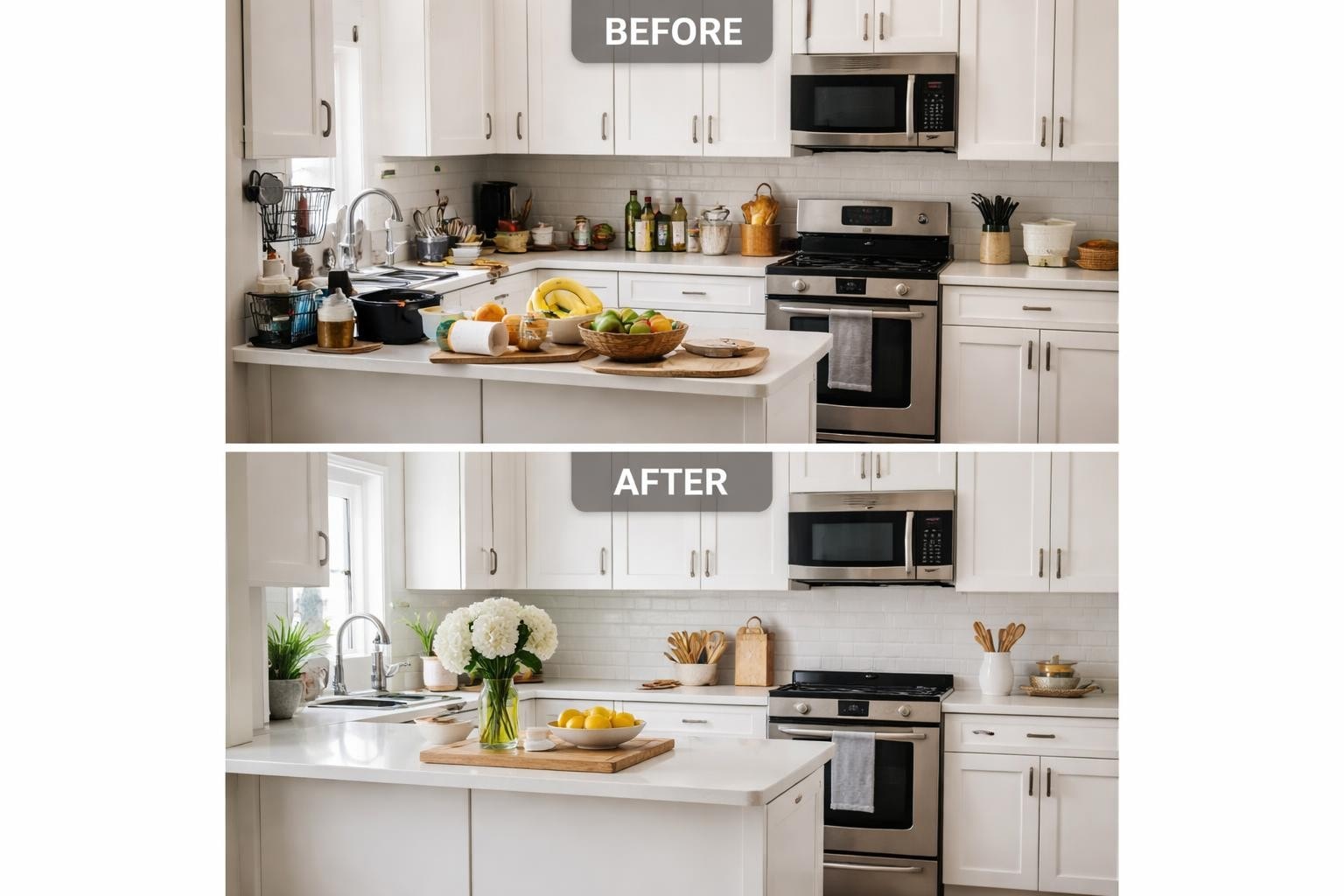

The kitchen remains the most influential room when potential buyers evaluate a property. A well-executed home staging kitchen strategy can dramatically increase buyer interest, reduce time on market, and potentially add thousands to your final sale price. Understanding how to present this crucial space requires balancing functionality with visual appeal, creating an environment where buyers immediately envision themselves cooking family meals and entertaining guests.
Why Kitchen Staging Matters More Than Other Rooms
Real estate professionals consistently identify kitchens as the primary decision-making factor for homebuyers. According to staging experts, buyers often make emotional connections in this space within the first few minutes of a showing.
The kitchen represents significant investment potential for buyers. They calculate renovation costs, assess storage capacity, and imagine daily routines unfolding in the space. When you invest in home staging kitchen improvements, you're addressing these buyer concerns proactively.
The Financial Impact of Kitchen Presentation
Staged kitchens deliver measurable returns:
Properties with professionally staged kitchens sell 73% faster than unstaged homes
Buyers offer 5-15% more for homes with updated, well-presented kitchens
First impressions formed in kitchens influence perceptions of the entire property
Online listings featuring clean, bright kitchen photos receive 60% more inquiries
Decluttering: The Foundation of Home Staging Kitchen Success
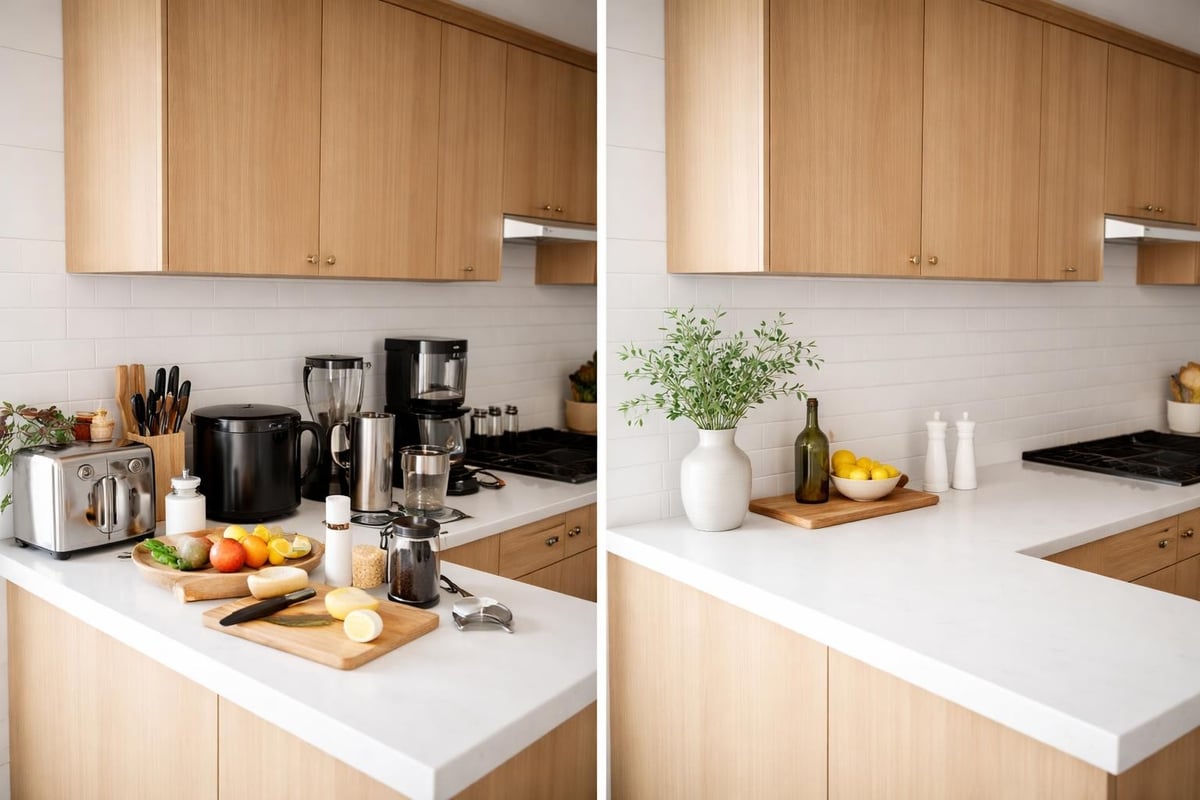
Start your home staging kitchen project by removing everything from countertops. This radical approach allows you to see the space with fresh eyes and understand what buyers will notice first.
Counter space represents luxury and possibility to buyers. Every visible appliance, utensil holder, or decorative item reduces perceived workspace and suggests the kitchen lacks adequate storage.
What Stays and What Goes
Keep on Counters | Remove Immediately | Store Out of Sight |
|---|---|---|
Coffee maker (single, high-end model) | Dish drying racks | Cleaning supplies |
One neutral fruit bowl | Small appliances (toaster, blender) | Pet bowls and food |
Soap dispenser at sink | Knife blocks | Medications |
Maximum 2-3 items total | Paper towel holders | Mail and paperwork |
The organization strategies you implement during staging should emphasize the kitchen's storage potential rather than current functionality.
Strategic Color Choices for Maximum Appeal
Neutral color palettes dominate successful home staging kitchen projects for compelling reasons. Buyers need to envision their belongings, their style, and their life in the space.
Recommended color approaches:
All-white or cream cabinets - Creates brightness and expands visual space
Soft gray or greige walls - Provides warmth without overwhelming personality
Minimal metallic accents - Adds sophistication through hardware and fixtures
Single accent color - Introduce through towels, small accessories, or fruit
Bold colors, patterned backsplashes, or trendy finishes can alienate buyers whose tastes differ. The calming design strategies that professionals recommend focus on creating serene, timeless environments that photograph beautifully and appeal broadly.
Lighting Transforms Kitchen Perception
Inadequate lighting represents one of the most common issues in home staging kitchen evaluations. Dark kitchens feel smaller, older, and less inviting regardless of their actual condition.
Layered Lighting Strategy
Implement multiple light sources operating simultaneously during showings:
Replace outdated fixtures with modern, streamlined alternatives
Install under-cabinet LED strips to illuminate work surfaces
Use maximum wattage bulbs allowed by fixtures (within safety guidelines)
Add pendant lights over islands or peninsula areas
Open all blinds and curtains to maximize natural light
Natural light particularly influences buyer perception. If your kitchen faces north or has limited windows, compensate with strategic artificial lighting that mimics daylight temperatures (5000K-6500K bulbs).
Addressing Common Kitchen Design Challenges
Every kitchen presents unique staging obstacles. The home staging kitchen approach must adapt to space constraints, outdated features, or awkward layouts while maintaining broad buyer appeal.
Small Kitchen Solutions
Compact kitchens require particular attention to spatial perception. Buyers in these spaces worry about functionality and storage capacity.
Space-enhancing techniques:
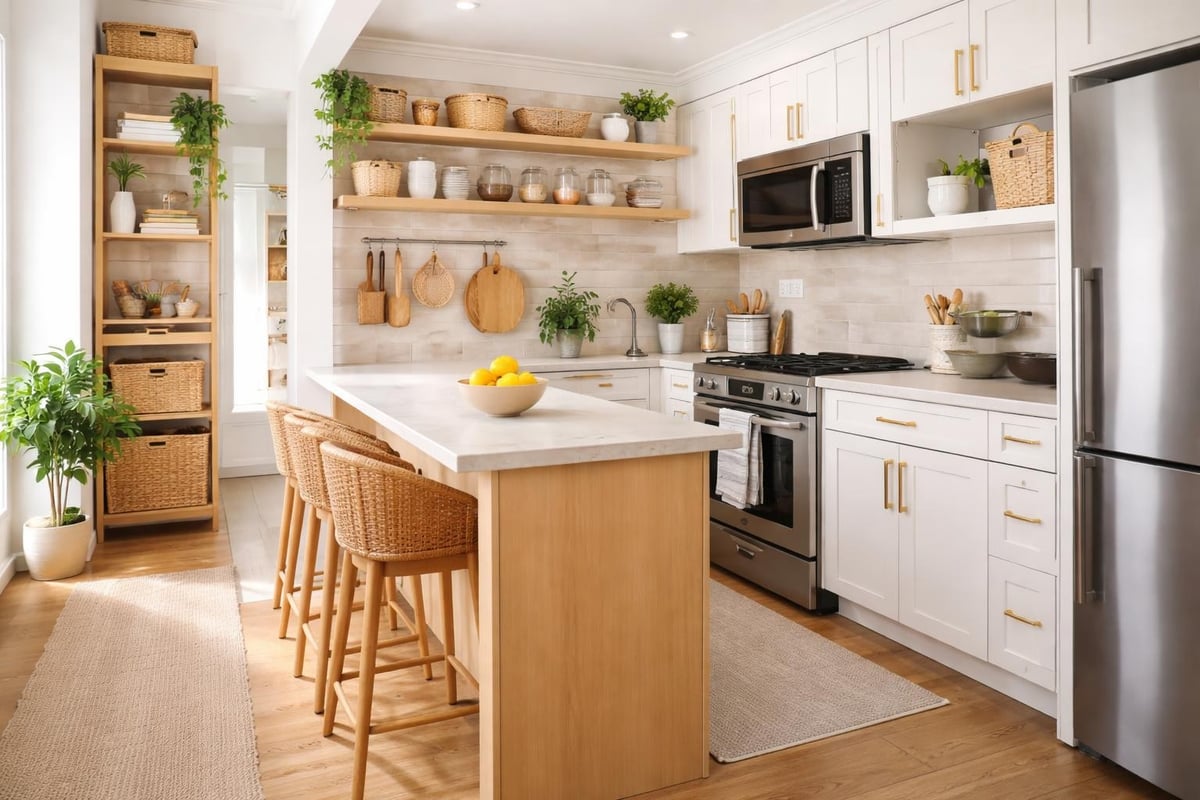
Remove upper cabinet doors to create open shelving (display matching dishes)
Use mirrors or reflective backsplashes to bounce light
Install floating shelves instead of bulky storage units
Choose furniture-scale accessories rather than oversized items
Apply galley kitchen expansion strategies when working with narrow layouts
Hardware and Fixture Updates
Cabinet hardware and faucets significantly impact kitchen aesthetics with minimal investment. These touchpoints literally put your kitchen in buyers' hands during showings.
Outdated brass pulls, mismatched knobs, or worn fixtures broadcast neglect. Modern replacements signal care and contemporary style.
Update Priority | Budget Impact | Visual Impact |
|---|---|---|
Cabinet pulls/knobs | $50-200 | High |
Faucet replacement | $150-400 | Very High |
Light fixtures | $100-500 | High |
Switch plates | $20-50 | Medium |
Select finishes that coordinate with existing appliances and fixtures. Brushed nickel, matte black, and stainless steel remain safe, contemporary choices for home staging kitchen projects.
Styling the Perfect Staged Kitchen
Once decluttered and updated, your home staging kitchen needs strategic styling that suggests possibility without imposing personality.
Counter Styling Formula
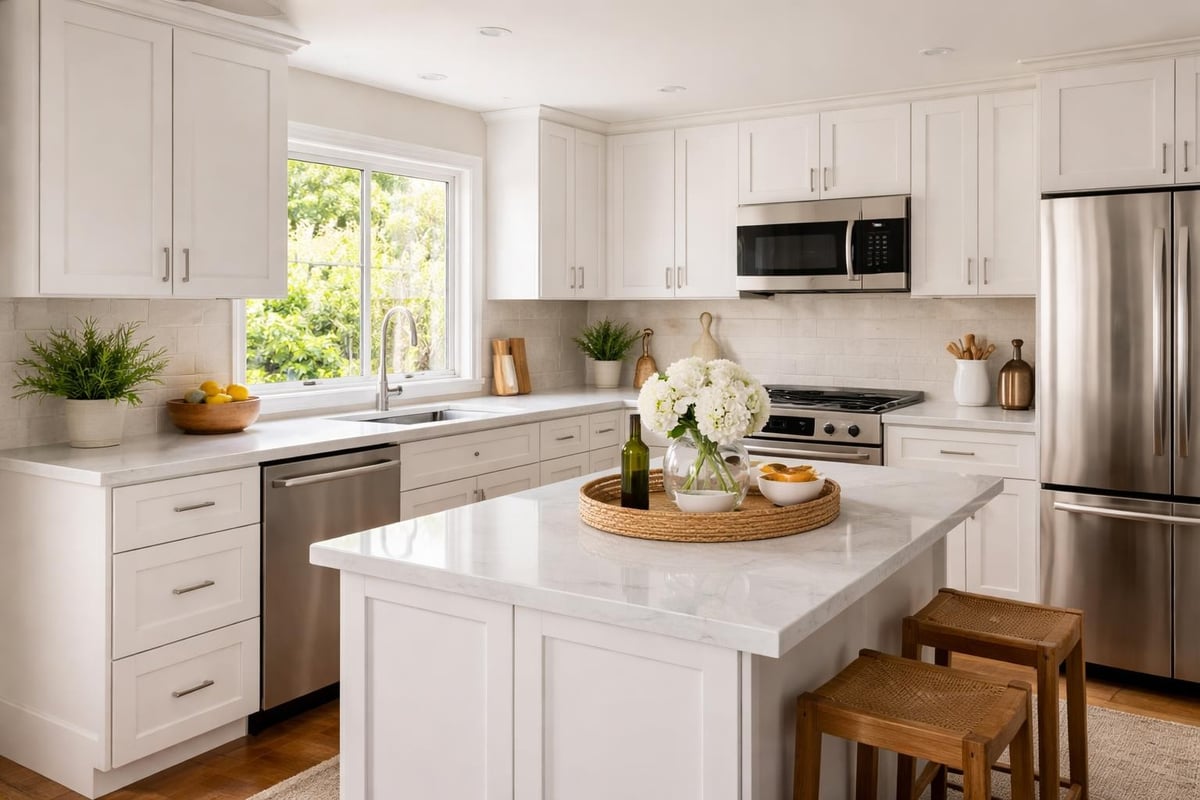
The ideal staged counter includes:
One high-quality appliance (espresso machine, stand mixer in neutral color)
Fresh element (fruit bowl with lemons/limes, small herb plant)
Texture piece (wooden cutting board leaning against backsplash)
Optional: single cookbook displayed open to appealing recipe
This minimal approach maintains the clean aesthetic buyers expect while preventing the space from feeling sterile or unused.
Table and Dining Area Presentation
If your kitchen includes a dining table or breakfast nook, treat this area as a lifestyle statement. Buyers imagine morning coffee, homework sessions, and casual meals in these spaces.
Set the table simply with neutral placemats, white dishes, and perhaps a small centerpiece. Avoid full place settings which can appear cluttered in photos and showings.
For smaller eat-in kitchens, ensure the table doesn't obstruct traffic flow. Buyers should move freely through the space without navigating around furniture.
Addressing Outdated Elements Without Renovation
Not every seller has budget for kitchen renovations before listing. Strategic home staging kitchen techniques can minimize the impact of dated features.
Camouflage strategies for common issues:
Laminate countertops - Keep meticulously clean, style minimally, highlight other features
Old appliances - Ensure spotless condition, replace handles if possible
Worn flooring - Add neutral runner if appropriate, emphasize cleanliness
Dated cabinets - Update hardware, ensure doors align properly, professional cleaning
Tile backsplash - Deep clean grout, consider temporary peel-and-stick alternatives
Professional staging teams excel at directing buyer attention toward positive features while minimizing outdated elements. For properties where kitchen condition significantly impacts value, investing in luxury home staging can deliver substantial returns.
The Role of Scent in Kitchen Staging
While visual presentation dominates home staging kitchen efforts, scent significantly influences buyer perception. The kitchen carries sensory memories and emotional associations for everyone.
Avoid artificial air fresheners or strong fragrances that suggest masking odors. Instead, create subtle, welcoming scents:
Place fresh lemon halves in garbage disposal before showings
Brew fresh coffee 30 minutes before appointments
Bake premade cookie dough (classic chocolate chip works universally)
Open windows to ensure fresh air circulation
Eliminate pet, cooking, or trash odors completely
Buyers who smell fresh-baked cookies or coffee unconsciously associate the kitchen with warmth and comfort. These positive sensory experiences influence purchasing decisions more than sellers realize.
Professional Staging Investment Considerations
Many homeowners wonder whether professional staging justifies the cost. For kitchens specifically, professional expertise often delivers returns that far exceed investment.
Professional stagers bring design knowledge, furniture inventory, and market insight that typical homeowners lack. They understand current buyer preferences, photography requirements, and which improvements matter most.
The Luxury Home Staging (Lux Package) provides comprehensive solutions for sellers serious about maximizing their property value. This full-service approach includes premium furniture, artwork, and professional styling for kitchens and other key living areas, creating the polished, market-ready presentation that accelerates sales and increases offers.

Maintenance During the Listing Period
Your home staging kitchen requires ongoing maintenance throughout the selling process. Buyers schedule showings with minimal notice, and your kitchen must remain showing-ready at all times.
Daily Staging Checklist
Morning routine before leaving:
Wipe all countertops completely clear
Run garbage disposal with lemon
Check floor for crumbs or spills
Ensure all dishes cleared from sink
Turn on under-cabinet lighting
Open blinds to maximum natural light
Before each showing:
Quick counter wipe-down
Empty trash if showing any fullness
Adjust temperature to comfortable level
Ensure all lights operational
Quick visual check from doorway
This consistent maintenance ensures buyers always experience your kitchen at its absolute best. The comprehensive staging tips that professionals recommend emphasize consistency throughout the listing period.
Avoiding Common Kitchen Staging Mistakes
Even well-intentioned home staging kitchen efforts can backfire when sellers make predictable mistakes. Understanding these pitfalls helps you avoid undermining your investment.
Critical Errors to Avoid
Don't make these mistakes:
Leaving personal photos on refrigerator or walls
Displaying extensive magnet collections
Using scented candles or air fresheners
Storing items on top of cabinets
Leaving dirty dishes in sink "just this once"
Over-decorating with seasonal or themed items
Neglecting inside cabinet and drawer organization
Blocking windows with excessive window treatments
Buyers inevitably open cabinets and drawers during showings. Neatly organized storage spaces reinforce the impression of a well-maintained, spacious kitchen. Consider the common design mistakes that turn buyers away and ensure your staging avoids these issues.
Photography Considerations for Online Listings
Most buyers first encounter your home staging kitchen through online listing photos. Professional real estate photography captures your staging work and attracts showings.
Coordinate with your photographer to ensure optimal results:
Schedule photography for brightest time of day
Turn on all lights including inside-cabinet lighting
Remove everything from counters except styled pieces
Ensure appliances spotlessly clean without fingerprints
Stage dining table if included in kitchen shots
Check that cabinet doors and drawers fully closed
Wide-angle lenses that photographers use can distort spaces or emphasize clutter. Your meticulous home staging kitchen preparation ensures these professional photos showcase your space advantageously.
Seasonal Staging Adjustments
Kitchen staging evolves slightly across seasons while maintaining core principles. Subtle seasonal touches create warmth without limiting buyer imagination.
Seasonal staging guidelines:
Season | Appropriate Touches | Avoid |
|---|---|---|
Spring | Fresh flowers, light colors, fruit bowl | Easter decorations, pastels |
Summer | Bright natural light, minimal styling | Beach themes, excessive color |
Fall | Small pumpkins, warm tones | Halloween items, heavy decorations |
Winter | Evergreen sprigs, white dishes | Christmas decor, red/green colors |
Keep seasonal elements minimal and sophisticated. Your home staging kitchen should appeal to buyers viewing in current season while remaining timeless enough for buyers planning future moves.
Final Walkthrough Before Showings
Develop a systematic approach to final checks before buyers arrive. This routine ensures consistency and catches details that might otherwise slip through.
Complete this sequence 30 minutes before each showing:
Entire counter surface review (nothing except staged items)
Sink completely empty and dry
Appliance surface fingerprint check
Floor sweep and spot-clean as needed
Trash can empty with fresh bag
All lights on including accent lighting
Window treatments at maximum natural light
Temperature comfortable (68-72°F)
Quick scent check (fresh, neutral)
View from entry doorway for final visual confirmation
This systematic approach to your home staging kitchen ensures buyers always experience the space at its absolute best. The professionals at Stage Joy implement these detailed protocols across all their staging projects, delivering consistent results that accelerate sales.
A thoughtfully executed home staging kitchen strategy addresses buyer priorities, maximizes visual appeal, and creates emotional connections that drive offers. By implementing these professional techniques-from strategic decluttering and lighting improvements to ongoing maintenance and photography preparation-you position your property for faster sales at premium prices. Stage Joy brings extensive experience in home staging and interior design to San Diego properties, offering customized solutions that highlight your kitchen's best features while working within your budget. Contact Stage Joy today to discover how professional staging can transform your kitchen and accelerate your sale.