
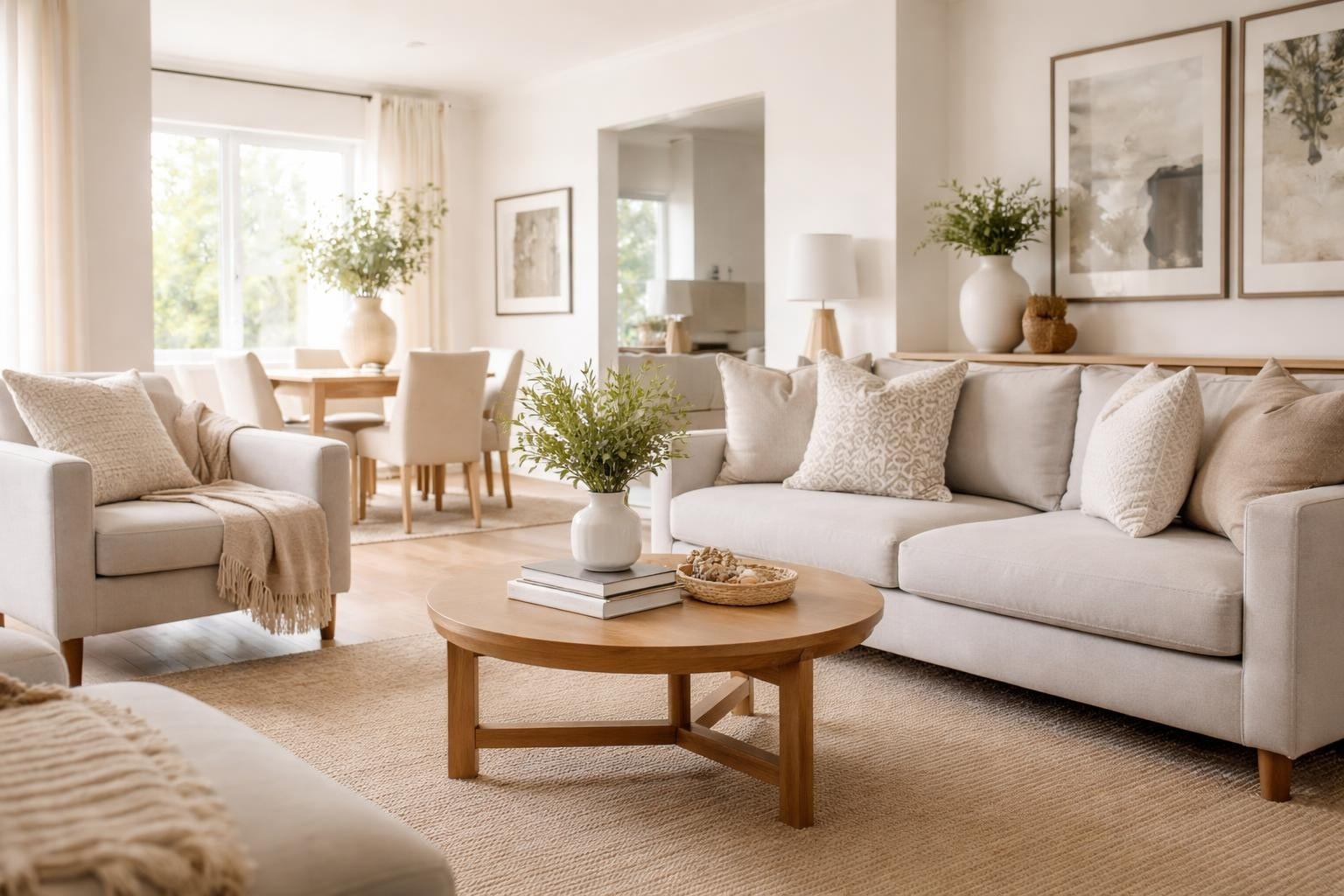

Interior home staging has become an essential element in the modern real estate market, transforming ordinary properties into compelling showcases that capture buyer attention and command premium prices. This strategic approach combines design expertise with marketing psychology to create spaces that resonate emotionally with potential buyers while highlighting a property's best features. Whether you're selling a modest starter home or a luxury estate, understanding the principles and practices of professional staging can significantly impact your sales timeline and final offer price.
The Financial Impact of Professional Staging
Recent data from the National Association of Realtors' 2025 Profile of Home Staging demonstrates the measurable value that interior home staging brings to real estate transactions. Staged homes consistently sell faster and for higher prices compared to their unstaged counterparts, with many properties recouping staging costs several times over through improved sale prices.
The return on investment extends beyond simple dollar amounts. Staged properties spend less time on the market, reducing carrying costs for sellers and creating competitive bidding situations that drive up final offers. In San Diego's competitive real estate landscape, where buyers have numerous options, a professionally staged home stands out in online listings and during in-person showings.
Key Rooms That Deliver Maximum Impact
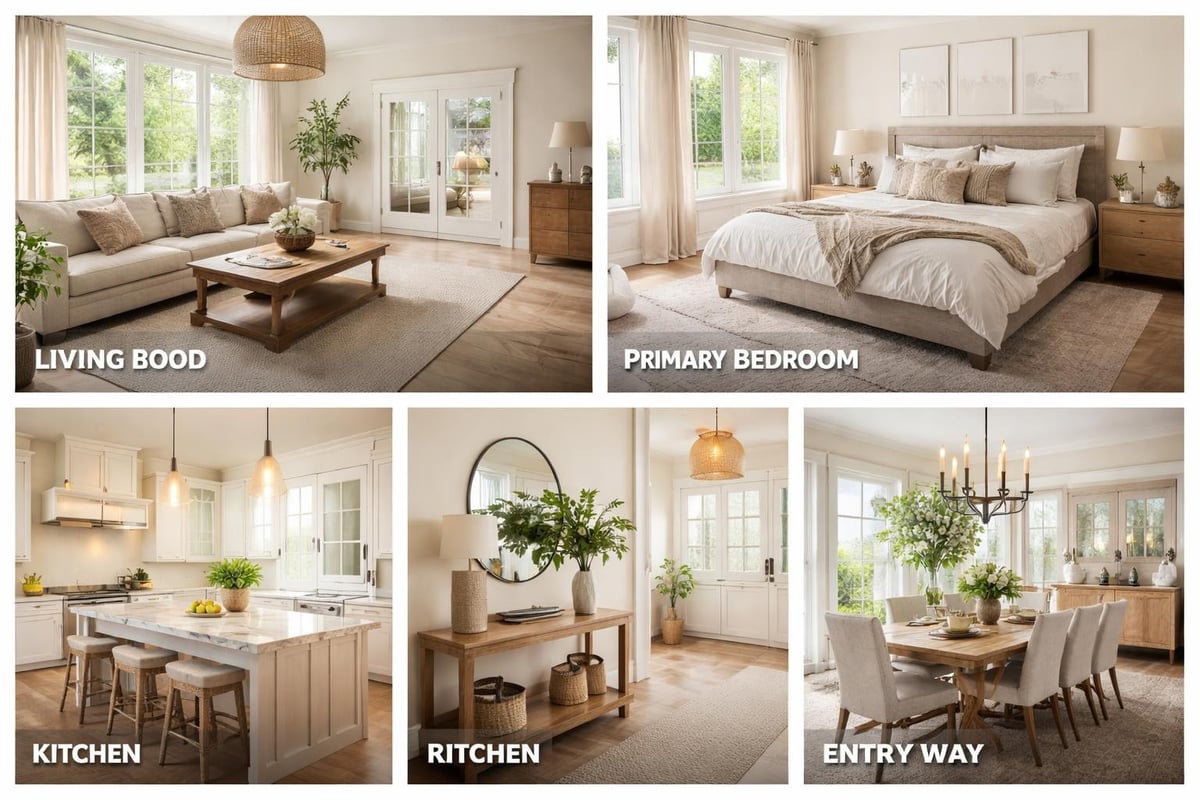
Not all spaces require equal attention when planning your staging strategy. Focus your resources on the rooms that influence buyer decisions most significantly:
Living rooms serve as the emotional heart of the home and set the tone for the entire property
Primary bedrooms create the personal sanctuary buyers envision for themselves
Kitchens represent functionality and lifestyle, often making or breaking a sale decision
Entryways establish critical first impressions within seconds of entering
Dining areas showcase entertaining potential and family gathering spaces
Professional stagers prioritize these areas because they generate the strongest emotional responses and appear prominently in listing photographs that attract initial buyer interest.
Color Psychology and Neutral Palettes
One fundamental principle of interior home staging involves creating a neutral foundation that allows buyers to envision their own belongings and lifestyle in the space. Expert staging tips from Architectural Digest emphasize the importance of soft, neutral tones that appeal to the broadest possible buyer demographic.
Bold personal color choices, while beautiful to current owners, can alienate potential buyers who struggle to see past existing design decisions. Strategic use of neutral grays, warm whites, and soft beiges creates a sophisticated backdrop that highlights architectural features rather than competing with them.
Adding Visual Interest Without Overwhelming
Neutral doesn't mean boring. Professional stagers layer textures, patterns, and subtle color variations to create depth and visual interest:
Element | Purpose | Example Application |
|---|---|---|
Textured throws | Add warmth and dimension | Draped over neutral sofas |
Metallic accents | Introduce subtle luxury | Brushed gold picture frames |
Natural materials | Create organic warmth | Woven baskets, wooden bowls |
Greenery | Bring life and freshness | Potted plants, fresh florals |
These thoughtful details prevent spaces from feeling sterile while maintaining the neutral foundation that allows buyer personalization.
Decluttering and Depersonalization Strategies
The most challenging aspect of interior home staging for many homeowners involves removing personal belongings and excess furniture. Good Housekeeping's staging guidance stresses that less truly is more when preparing a property for market.
Buyers need to imagine their own memories being created in your space, which becomes nearly impossible when confronted with family photographs, personal collections, and room-by-room clutter. This process requires emotional detachment from your current home and mental transition toward viewing the property as a product to be marketed.
The Three-Category Sorting System
Tackle decluttering systematically by categorizing every item:
Keep and stage items that enhance the space and appeal to buyers
Store temporarily personal belongings and excess furniture to retrieve after closing
Donate or discard items no longer needed or useful
This methodical approach prevents decision paralysis and creates clear action steps for each room. Most staged homes display approximately 50 percent less furniture and decor than comfortably lived-in spaces, creating an airy, spacious feel that photographs beautifully.
Furniture Placement and Flow Optimization
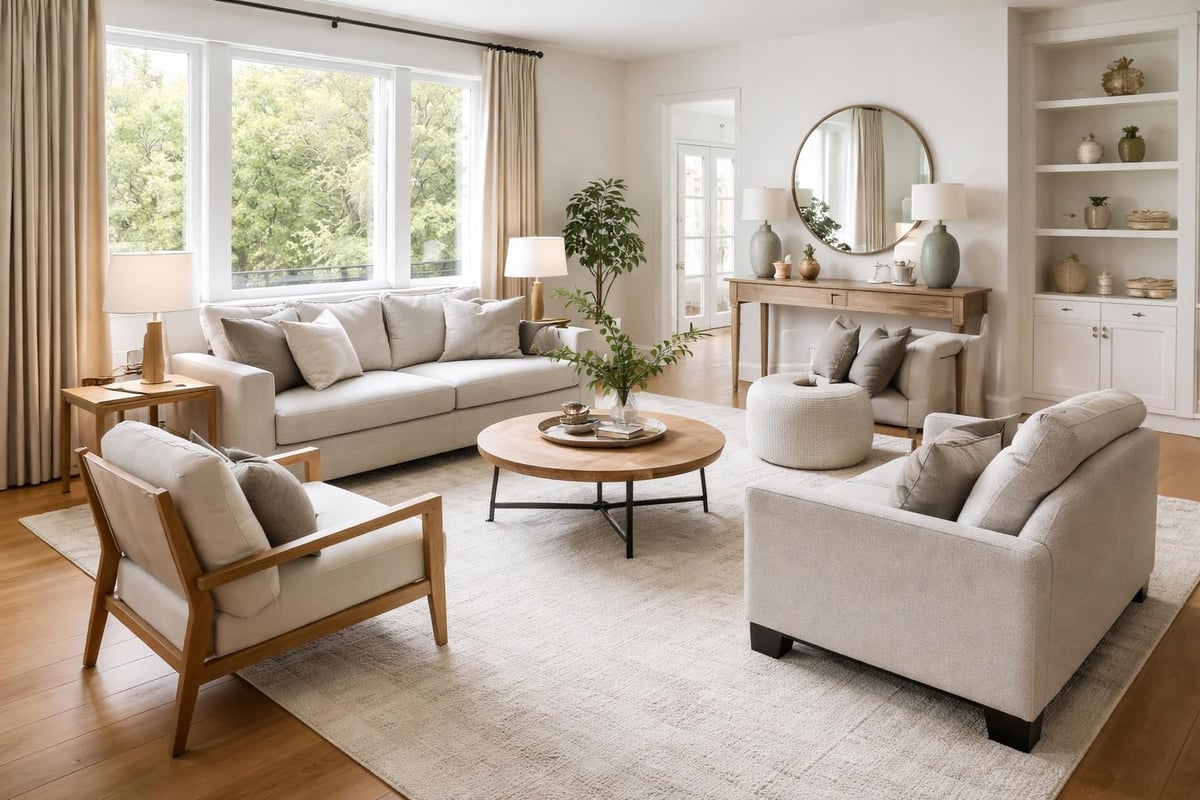
Strategic furniture arrangement dramatically impacts how buyers perceive room dimensions and functionality. Interior home staging professionals understand that furniture should facilitate natural traffic patterns while showcasing how spaces can be utilized effectively.
Common mistakes include pushing all furniture against walls, which actually makes rooms feel smaller and less inviting. Instead, staging experts recommend floating furniture arrangements that define conversation areas and create intimate, purposeful zones within larger spaces.
Room-by-Room Furniture Guidelines
Each space benefits from specific arrangement considerations:
Living rooms: Angle seating to create conversation groupings and showcase focal points like fireplaces
Bedrooms: Center beds on the primary wall with symmetrical nightstands to create hotel-like luxury
Dining rooms: Ensure chairs can be pulled out comfortably without blocking doorways or traffic paths
Home offices: Position desks to demonstrate functionality without overwhelming the space
The goal remains creating balanced, proportionate arrangements that feel both functional and aspirational. Buyers should immediately understand each room's purpose while imagining their own lifestyle fitting seamlessly into the space.
Lighting Strategies That Transform Spaces
Inadequate lighting represents one of the most common issues in unstagcd properties, yet it's also one of the easiest problems to solve. Interior home staging prioritizes layered lighting that eliminates shadows, highlights architectural features, and creates warm, welcoming ambiance throughout the day.
Natural light receives maximum emphasis through strategic window treatments and mirror placement that amplifies available sunlight. Supplement natural sources with multiple artificial lighting layers including ambient overhead fixtures, task lighting for functional areas, and accent lighting that draws attention to artwork or architectural details.
Creating the Perfect Lighting Mix
Professional staging achieves optimal lighting through careful layering:
Lighting Type | Function | Staging Application |
|---|---|---|
Ambient | Overall illumination | Ceiling fixtures, recessed lighting |
Task | Functional lighting | Desk lamps, under-cabinet kitchen lights |
Accent | Highlight features | Picture lights, uplighting on plants |
Decorative | Visual interest | Statement chandeliers, unique table lamps |
Ensure all light bulbs match in color temperature, typically using warm white (2700K-3000K) throughout the home for cohesive, inviting ambiance. Replace any burned-out bulbs and maximize wattage within fixture limits to create bright, cheerful spaces.
Budget-Friendly Staging Solutions
Professional interior home staging doesn't necessarily require substantial financial investment. Redfin's budget staging strategies demonstrate how homeowners can achieve impressive results through strategic improvements and creative resource allocation.
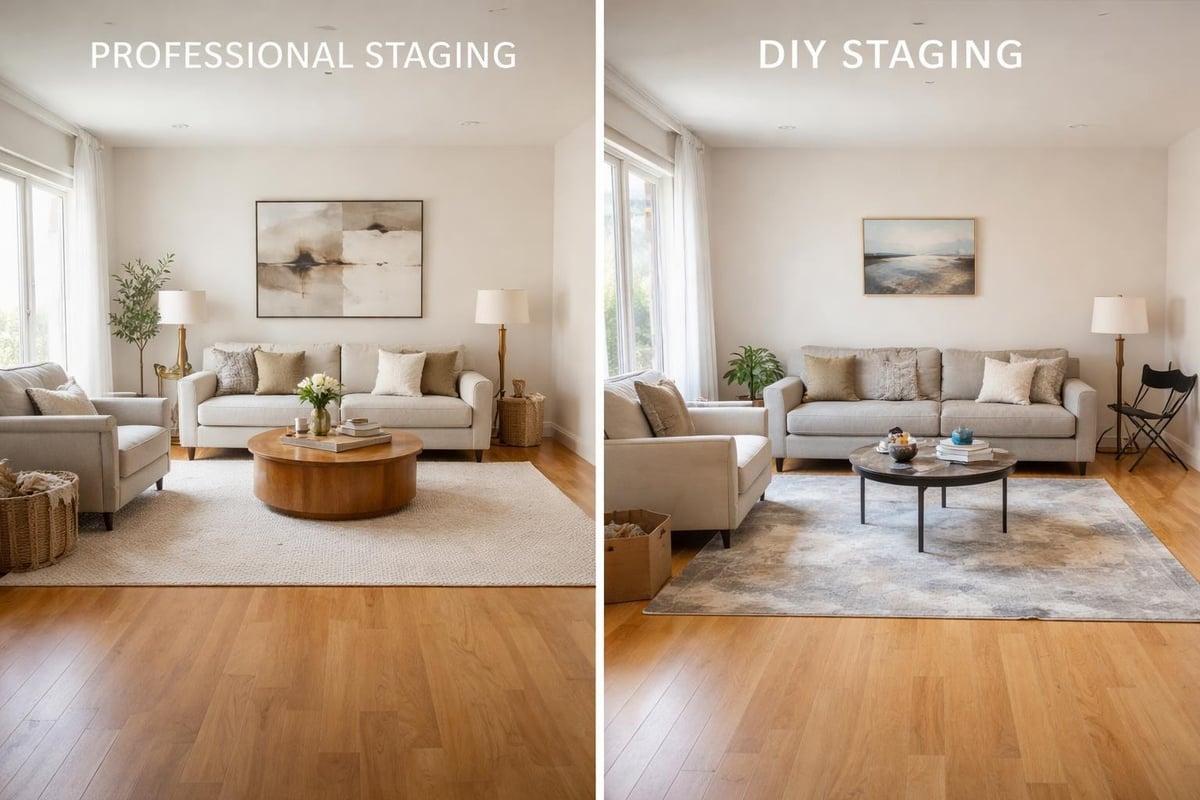
Prioritize high-impact, low-cost improvements such as deep cleaning, fresh paint in neutral colors, and minor repairs that eliminate buyer objections. Often, rearranging existing furniture and borrowing pieces from other rooms creates more effective staging than purchasing new items.
For properties requiring additional furnishings or decor, Stage Joy offers customized staging solutions designed to fit various budgets without compromising quality. Their flexible approach allows sellers to invest strategically in the specific areas that will generate the strongest buyer response and maximum return.
DIY Staging Priorities
Homeowners tackling staging independently should focus efforts on these high-return activities:
Deep cleaning every surface including often-overlooked areas like baseboards and light fixtures
Refreshing paint in neutral, contemporary colors throughout main living spaces
Updating cabinet hardware in kitchens and bathrooms for an instant modern refresh
Enhancing curb appeal through landscaping, fresh mulch, and an inviting entrance
Styling surfaces with minimal, intentional decor that suggests lifestyle without clutter
These improvements require more time than money, making them accessible to sellers at any budget level.
The Role of Professional Staging Expertise
While DIY approaches can achieve positive results, professional stagers bring design expertise, objective perspective, and access to quality furniture and accessories that elevate staging to the next level. Experienced professionals immediately identify a property's strongest selling points and potential buyer objections, creating targeted solutions that maximize market appeal.
Stage Joy's team combines extensive experience in both home staging and interior design, allowing them to transform properties with strategic, customized approaches that reflect current buyer preferences and market trends. Their portfolio demonstrates consistent success across diverse property types and price points throughout the San Diego region.
For luxury properties where presentation directly impacts perceived value, premium staging services become essential investments rather than optional expenses. The Luxury Home Staging (Lux Package) includes full-service design with premium furniture, artwork, and styling for key living areas, creating the polished, market-ready presentation that high-end buyers expect.
Market-Specific Staging Considerations
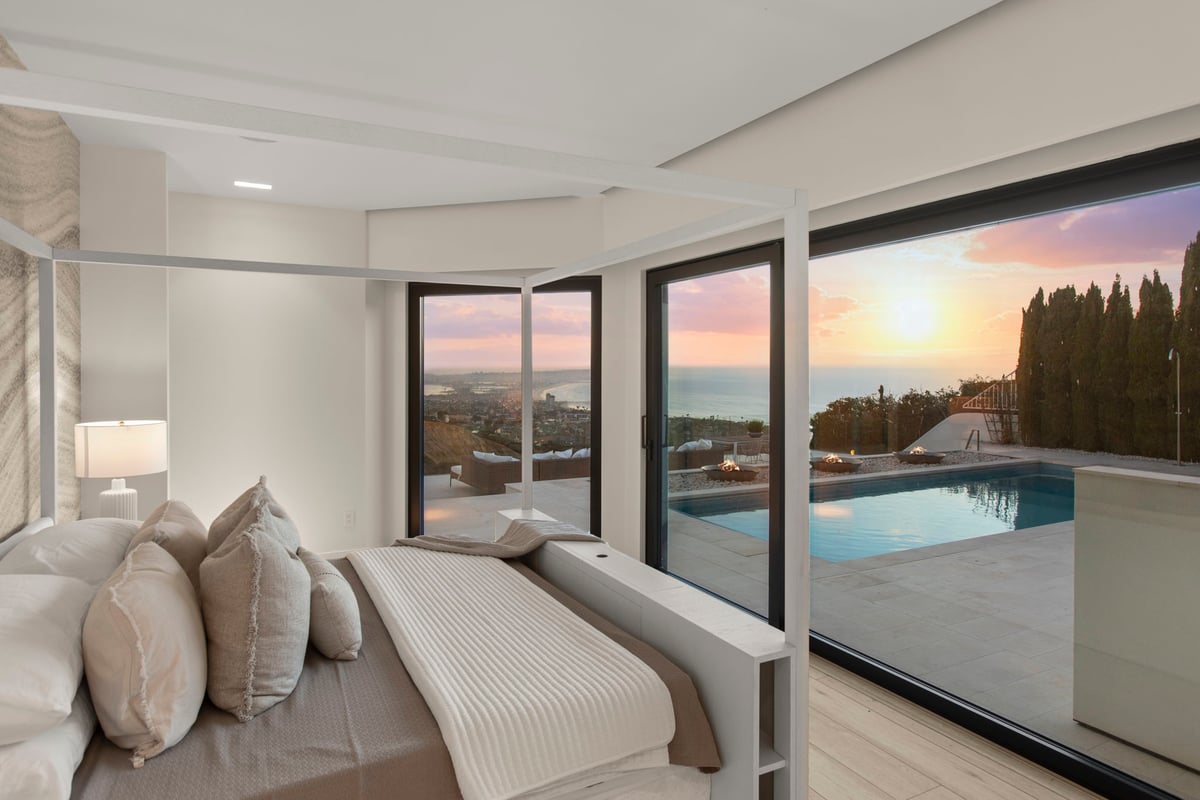
Effective interior home staging adapts to local market conditions, buyer demographics, and regional design preferences. San Diego's unique position as a coastal city with year-round pleasant weather influences staging choices, emphasizing indoor-outdoor living connections and natural, beach-inspired aesthetics.
Understanding your target buyer demographic shapes every staging decision. Properties in family-oriented neighborhoods benefit from staging that showcases functional spaces for children and casual entertaining, while urban condos targeting young professionals emphasize sleek, modern design and efficient space utilization.
Adapting Style to Property Type
Different properties require distinct staging approaches:
Single-family homes: Emphasize family functionality, outdoor living, and lifestyle flexibility
Condos and townhomes: Focus on space maximization, modern efficiency, and urban sophistication
Luxury estates: Showcase high-end finishes, designer furniture, and aspirational lifestyle elements
Investment properties: Demonstrate turnkey condition and rental income potential
Research comparable properties in your specific market to understand what staged homes in your price range and neighborhood typically include. This competitive analysis ensures your staging meets or exceeds buyer expectations established by other listings.
Virtual Staging and Digital Presentation
Modern real estate marketing extends beyond in-person showings to encompass digital listing presentations that reach buyers across geographic boundaries. Virtual staging provides cost-effective solutions for vacant properties, allowing buyers to visualize furnished spaces through digitally enhanced photography.
However, physical staging remains superior for creating emotional connections during in-person showings. The sensory experience of walking through a beautifully staged home-experiencing textures, seeing natural light play across surfaces, and imagining daily life in the space-cannot be replicated through photographs alone.
The most effective approach combines both strategies: professional physical staging for showing-ready condition and high-quality photography that showcases the staged spaces in optimal lighting. Portfolio examples demonstrate how professional staging translates into compelling visual marketing that generates buyer interest and showing requests.
Seasonal Staging Adjustments
Interior home staging should evolve with seasonal changes to maintain fresh, current appeal throughout your listing period. Spring and summer staging emphasizes bright, airy spaces with lightweight fabrics and abundant natural light. Fall and winter presentations incorporate warmer textures, layered textiles, and cozy elements that create inviting retreats from cooler weather.
Even in San Diego's mild climate, seasonal touches help buyers envision themselves celebrating holidays and experiencing the changing year in your property. Subtle seasonal adjustments-fresh florals in spring, warm throws in winter-keep the staging feeling current without requiring complete redesign.
Quick Seasonal Refresh Ideas
Maintain staging relevance through simple seasonal updates:
Season | Staging Elements | Color Palette |
|---|---|---|
Spring | Fresh flowers, lighter fabrics, open windows | Soft pastels, crisp whites |
Summer | Tropical greenery, outdoor connection, breezy textures | Coastal blues, sunny yellows |
Fall | Textured throws, warm accents, layered decor | Rich oranges, warm neutrals |
Winter | Cozy textiles, ambient lighting, inviting spaces | Deep jewel tones, warm metals |
These adjustments require minimal investment while signaling to buyers that the property receives ongoing attention and care.
Measuring Staging Success
Tracking metrics helps evaluate whether your interior home staging investment delivers expected returns. Key indicators include days on market compared to similar unstaged properties, number of showing requests generated, buyer feedback collected during showings, and final sale price relative to list price and comparable sales.
Professional staging should generate measurable results within the first few weeks of listing. Increased showing activity, positive buyer comments, and competitive offers indicate successful staging that resonates with your target market. Case studies from successful stagings provide concrete examples of how strategic presentation impacts buyer response and sales outcomes.
If initial market response falls short of expectations, don't hesitate to adjust your staging approach. Fresh eyes from a professional stager can identify needed modifications that reignite buyer interest and accelerate the sales timeline.
Maintaining Staged Spaces During Active Listings
Once your property is professionally staged, maintaining that pristine condition throughout the showing period becomes essential. Develop systems for quick reset between showings, ensuring surfaces remain clear, beds stay made, and spaces retain their styled appearance despite ongoing daily life.
For occupied properties, this maintenance requires discipline and often temporary lifestyle adjustments. Consider the staging as your property's "job interview outfit"-worth the extra effort required to maintain perfection during the critical sales period.
Daily Maintenance Checklist
Keep staged properties showing-ready with these quick daily tasks:
Make all beds with crisp linens and arranged pillows
Clear kitchen counters and dining surfaces completely
Remove personal items from bathrooms and tidy towels
Vacuum or sweep high-traffic areas and entryways
Adjust lighting, open window treatments, and refresh air
Quick wipe-down of mirrors, fixtures, and visible surfaces
This routine takes fifteen to twenty minutes daily but ensures your property always presents at its absolute best, regardless of showing timing.
Interior home staging combines design expertise, market knowledge, and buyer psychology to transform properties into irresistible offerings that sell faster and for premium prices. By focusing on neutral palettes, strategic decluttering, optimal furniture placement, and thoughtful lighting, you create spaces that allow buyers to envision their future lives unfolding in your property. Whether you tackle staging independently or partner with professionals, investing in your property's presentation delivers measurable returns that justify the time and expense. Stage Joy brings extensive staging and design experience to every project, offering customized solutions that highlight your property's best features while fitting your budget and timeline.