


Listing a house represents one of the most significant financial transactions most people will undertake in their lifetime. The process involves far more than simply placing a "For Sale" sign in your yard and waiting for offers to roll in. Success requires careful planning, strategic pricing, professional presentation, and effective marketing to attract qualified buyers and maximize your return. Understanding each component of the listing process empowers sellers to make informed decisions that directly impact both the speed of sale and the final purchase price.
Understanding the Pre-Listing Phase
Before formally listing a house, sellers must complete several critical preparatory steps that lay the foundation for a successful sale. This phase often determines how smoothly the entire transaction will proceed.
Evaluating Current Market Conditions
Research your local real estate market thoroughly to understand whether conditions favor buyers or sellers. Examine recent comparable sales in your neighborhood, noting sale prices, days on market, and seasonal trends. Factors like mortgage rates, inventory levels, and economic conditions all influence optimal timing for listing a house.
Current market dynamics in 2026 vary significantly by region. Some areas experience robust demand with limited inventory, while others show more balanced conditions. Partner with a knowledgeable real estate professional who can provide localized data and insights specific to your property type and price range.
Determining Your Timeline and Goals
Establish clear objectives before listing a house. Consider these questions:
What is your ideal move-out date?
Do you need to purchase another property simultaneously?
What is your minimum acceptable sale price?
How flexible can you be with closing dates?
Are you willing to make repairs or prefer selling as-is?
Your answers shape the entire strategy, from pricing to negotiation flexibility. Sellers with urgent timelines may price more aggressively to generate quick offers, while those with flexibility can potentially hold out for premium prices.
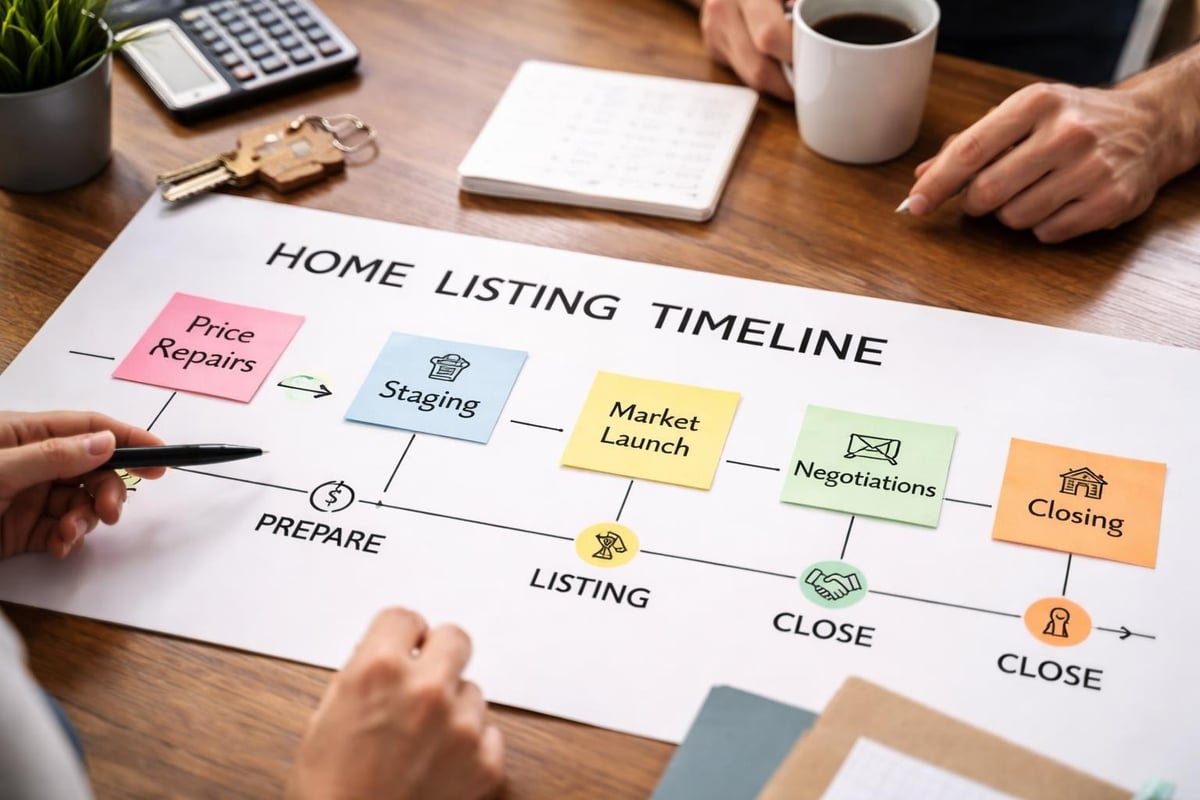
Strategic Pricing for Maximum Impact
Pricing strategy arguably represents the most crucial decision when listing a house. Set the price too high, and your property languishes on the market, becoming stale and requiring eventual price reductions. Price too low, and you leave money on the table.
Conducting a Comparative Market Analysis
A comprehensive comparative market analysis (CMA) examines recently sold properties, active listings, and expired listings with similar characteristics to your home. Focus on homes within a half-mile radius that sold within the past three to six months, matching square footage, bedroom count, condition, and features as closely as possible.
Property Factor | Impact on Price | Adjustment Range |
|---|---|---|
Additional bedroom | Moderate to High | $15,000-$40,000 |
Updated kitchen | High | $20,000-$50,000 |
Finished basement | Moderate | $10,000-$30,000 |
Pool | Variable | -$5,000 to +$25,000 |
Location on busy street | Moderate negative | -$10,000 to -$20,000 |
Psychology of Pricing
Price points matter psychologically to buyers searching online. A home priced at $499,000 appears in search results for buyers filtering up to $500,000, while $505,000 excludes that entire buyer pool. Understanding comprehensive pricing strategies helps position your property competitively.
Consider pricing slightly below major thresholds to capture maximum buyer attention. This strategy often generates multiple offers, potentially driving the final price above asking. However, ensure the price still reflects true market value to avoid appraisal issues later.
Preparing Your Property for Listing
Physical preparation transforms your house from a lived-in space into a market-ready product. This phase requires honest assessment and often significant effort, but it directly impacts buyer perception and offers received.
Essential Repairs and Improvements
Address obvious defects before listing a house. Buyers notice peeling paint, broken fixtures, cracked tiles, and malfunctioning appliances. These issues raise red flags about overall maintenance and often lead to lower offers or inspection concerns.
Focus improvements on high-impact areas:
Kitchen: Replace outdated hardware, repair cabinet doors, ensure all appliances function properly
Bathrooms: Re-caulk tubs and showers, replace worn fixtures, fix any water damage
Curb appeal: Power wash exterior, refresh landscaping, repair walkways and driveways
Interior paint: Apply neutral colors throughout to create a fresh, clean canvas
Flooring: Deep clean carpets or consider replacement if heavily worn
Understanding the costs associated with selling helps budget appropriately for these improvements. Most repairs generate positive return on investment by preventing buyer objections and supporting asking price.
The Value of Professional Staging
Professional staging transforms spaces to highlight functionality and lifestyle appeal. When listing a house in competitive markets like San Diego, staged homes consistently sell faster and for higher prices than vacant or cluttered properties.
Staging accomplishes several objectives. It helps buyers visualize living in the space, emphasizes room proportions and flow, minimizes visual distractions, and showcases the property's best features through strategic furniture placement and design elements. Professional stagers understand current design trends and buyer preferences, creating environments that resonate with target demographics.
For sellers seeking elevated presentation, the Luxury Home Staging (Lux Package) provides comprehensive staging for key living areas including premium furniture, artwork, and refined styling that positions properties for maximum market appeal.

Marketing Your Listed Property
Modern real estate marketing extends far beyond traditional newspaper ads and yard signs. A comprehensive marketing strategy leverages multiple channels to reach qualified buyers wherever they search for homes.
Professional Photography and Visual Content
High-quality photography is non-negotiable when listing a house in 2026. The vast majority of buyers begin their search online, and listing photos form critical first impressions. Professional real estate photographers understand lighting, angles, and composition that showcase properties optimally.
Consider these visual marketing elements:
High-resolution photos of every room and exterior views
Twilight photography to capture dramatic curb appeal
Drone footage for properties with significant land or impressive architecture
3D virtual tours allowing remote buyers to explore the space
Video walkthroughs providing narrative context and flow
Online Listing Optimization
Your online listing serves as the primary sales tool. Write compelling property descriptions that highlight unique features, recent updates, and lifestyle benefits. Use descriptive language that helps buyers imagine themselves in the space without exaggerating or misrepresenting.
Optimize listings for search by including relevant keywords naturally:
Neighborhood name and desirable nearby amenities
Architectural style and distinctive features
Square footage, bedroom count, bathroom count
Special features like home office, outdoor kitchen, or smart home technology
Energy-efficient upgrades or recent renovations
Ensure your listing appears on major real estate portals, social media platforms, and the Multiple Listing Service (MLS) to maximize exposure.

Showing Your Property Effectively
Once marketing generates interest, showings convert browsers into buyers. Creating the right environment during showings requires attention to sensory details and presentation.
Preparing for Showings
Follow proven tips for showing your house to create welcoming environments. Maintain the property in show-ready condition throughout the listing period. This means daily tidying, fresh flowers or plants, pleasant subtle scents, adequate lighting in all rooms, and comfortable temperature settings.
Remove personal items that might distract buyers or make them uncomfortable. Family photos, religious items, political materials, and highly personalized decor should be stored away. The goal is creating a neutral canvas where any buyer can imagine their own belongings.
Flexible Showing Availability
Accommodate showing requests as flexibly as possible when listing a house. Buyers often have limited schedules, and refusing evening or weekend showings eliminates potential buyers. While maintaining show-ready condition requires effort, each showing represents a sales opportunity.
Consider these showing strategies:
Showing Type | Advantages | Best For |
|---|---|---|
Private appointments | Personalized experience, undivided attention | High-end properties, serious buyers |
Open houses | Multiple buyers at once, creates urgency | First weekends, generating buzz |
Broker tours | Agent feedback, networking | New listings, agent relationships |
Virtual showings | Remote buyers, pandemic considerations | Out-of-state buyers, initial screening |
Navigating Offers and Negotiations
Receiving offers validates your preparation and pricing strategy. However, the negotiation phase determines final sale terms and price, requiring careful consideration of multiple factors beyond the dollar amount.
Evaluating Offer Components
Strong offers include more than just purchase price. Examine contingencies, proposed closing dates, earnest money deposits, financing terms, and requested repairs or concessions. A slightly lower all-cash offer with minimal contingencies and flexible closing might prove more valuable than a higher offer with extensive conditions and uncertain financing.
Consider the buyer's financial strength. Pre-approved buyers with substantial down payments present less risk than those with minimal down payments or pre-qualification letters. Your agent should verify buyer credentials before accepting offers.
Counteroffers and Multiple Bid Situations
When listing a house generates multiple offers, sellers gain negotiating leverage. Handle multiple bid situations professionally by establishing a deadline for highest and best offers, allowing all parties to compete fairly.
Counteroffers allow negotiation on price, terms, contingencies, and closing dates. Respond thoughtfully to reasonable offers rather than rejecting them outright. Creative solutions often bridge gaps between buyer and seller positions, such as adjusting closing dates, including or excluding certain appliances, or splitting closing costs.
Remember that homes priced correctly and presented professionally through services like professional home staging typically generate stronger offers with fewer contingencies, simplifying negotiations significantly.
Managing the Contract-to-Close Period
After accepting an offer, several critical steps must occur before closing. This period typically spans 30-45 days and includes inspections, appraisals, and final preparations.
Home Inspections and Appraisals
Buyers typically conduct professional inspections examining the property's condition, systems, and structure. Inspectors identify defects, safety issues, and needed repairs. Sellers should prepare for inspection requests by maintaining access to all areas and ensuring utilities remain active.
Review inspection reports carefully with your agent. Buyers may request repairs, credits, or price reductions based on findings. Evaluate requests reasonably, distinguishing between significant defects requiring attention and normal wear items buyers should expect.
Appraisals verify the property's value meets or exceeds the contract price for the lender. Properties must appraise at or above the sale price for buyer financing approval. If appraisals come in low, sellers face renegotiation or buyer financing challenges.
Final Preparations and Walkthrough
Maintain the property in the agreed-upon condition through closing. Complete any negotiated repairs professionally and provide documentation. Remove agreed-upon items while leaving included items like appliances and fixtures.
Buyers conduct final walkthroughs 24-48 hours before closing, verifying the property's condition matches expectations and agreed-upon repairs were completed. Address any final concerns immediately to avoid closing delays.
Understanding Disclosure Requirements
Legal obligations require sellers to disclose known material defects when listing a house. Disclosure laws vary by state, but honesty protects sellers from future liability and builds buyer trust.
Material Defects and Stigmatized Properties
Material defects are issues significantly affecting property value or desirability. These include structural problems, water damage, pest infestations, mold, lead paint in older homes, or mechanical system failures. Document all known issues and repairs in disclosure forms.
Stigmatized properties present unique disclosure challenges. Deaths, crimes, or reported paranormal activity may require disclosure depending on state law. Consult with your real estate attorney regarding specific disclosure obligations in your jurisdiction.
The Risks of "As-Is" Sales
Some sellers choose listing a house "as-is" to avoid repair obligations. However, selling as-is doesn't eliminate disclosure requirements or guarantee faster sales. Buyers still conduct inspections and may negotiate based on findings or simply walk away from properties with significant issues.
As-is sales typically attract investors or buyers seeking discounts, often resulting in lower sale prices than properly repaired and staged properties command. Evaluate whether strategic improvements might generate better net proceeds than as-is pricing.
Working with Real Estate Professionals
While technology enables some for-sale-by-owner transactions, most sellers benefit from professional representation when listing a house. Experienced agents provide market knowledge, negotiation expertise, legal guidance, and marketing resources that typically generate higher sale prices offsetting commission costs.
Selecting the Right Listing Agent
Interview multiple agents before selecting representation. Evaluate their experience in your neighborhood and price range, marketing strategies and technology tools, communication style and availability, professional credentials and continuing education, and references from recent clients.
Review proposed listing agreements carefully. Understand commission structures, contract duration, marketing commitments, and cancellation provisions. The right agent becomes a trusted advisor throughout the process, providing objective guidance based on market data rather than emotional attachments.
Understanding Agent Commission Structure
Traditional agent commissions typically total 5-6% of the sale price, split between listing and buyer's agents. This commission covers extensive marketing, showing coordination, negotiation, paperwork management, and professional guidance throughout the transaction.
Some sellers negotiate reduced commissions or use discount brokerages. However, lower commissions sometimes result in reduced marketing efforts or less experienced representation. Evaluate the total value proposition rather than focusing solely on commission percentages.
Leveraging Technology and Data
Technology transforms how buyers search for homes and sellers market properties. Understanding current digital tools and trends helps optimize your listing strategy.
Virtual and Augmented Reality
Virtual reality tours allow remote buyers to explore properties without physical visits, expanding your potential buyer pool nationally or internationally. Augmented reality apps let buyers visualize furniture placement and design changes, particularly valuable for vacant properties.
These technologies complement rather than replace physical showings. They pre-qualify serious buyers and generate excitement that converts to in-person visits and offers.
Data Analytics and Market Insights
Real-time market data informs strategic decisions when listing a house. Monitor days on market for comparable properties, price adjustments in your neighborhood, buyer search patterns and preferences, and seasonal trends affecting demand.
Analytics reveal optimal pricing adjustments, marketing message refinements, and timing for price reductions if needed. Data-driven decisions outperform emotional reactions to market conditions.
Maximizing Return Through Strategic Investments
Strategic improvements before listing a house generate measurable returns. Focus investments on updates buyers value most rather than personal preferences.
High-ROI Improvements
Research consistently identifies certain improvements delivering strong returns:
Minor kitchen updates (hardware, paint, lighting)
Bathroom modernization (fixtures, vanities, tile)
Fresh interior and exterior paint in neutral colors
Landscaping and curb appeal enhancements
Energy-efficient windows and insulation
Hardwood floor refinishing
Avoid over-improving for your neighborhood. Luxury upgrades in moderate price ranges rarely return full investment. Match improvement quality to your home's price point and buyer expectations.
The Staging Investment
Professional staging ranks among the highest-return investments when listing a house. Industry data shows staging's value through reduced days on market and higher sale prices. Staged homes photograph better, show better, and appeal to broader buyer demographics.
Staging costs typically range from 1-3% of the listing price but often generate returns of 5-15% through higher offers and faster sales. In competitive markets, staging differentiates your property from similar listings, creating memorable impressions that convert showings into offers.
San Diego sellers benefit from local staging expertise that understands regional preferences and buyer demographics. Professional stagers create cohesive designs highlighting architectural features while maintaining the lifestyle appeal coastal California buyers seek.
Successfully listing a house requires strategic planning, professional presentation, and effective marketing to achieve optimal results. From accurate pricing and thorough preparation to compelling staging and skilled negotiation, each element contributes to faster sales and higher prices. When you're ready to list your San Diego property, Stage Joy provides the staging expertise and design solutions that transform houses into must-see listings, helping you achieve your real estate goals with confidence and professionalism.