
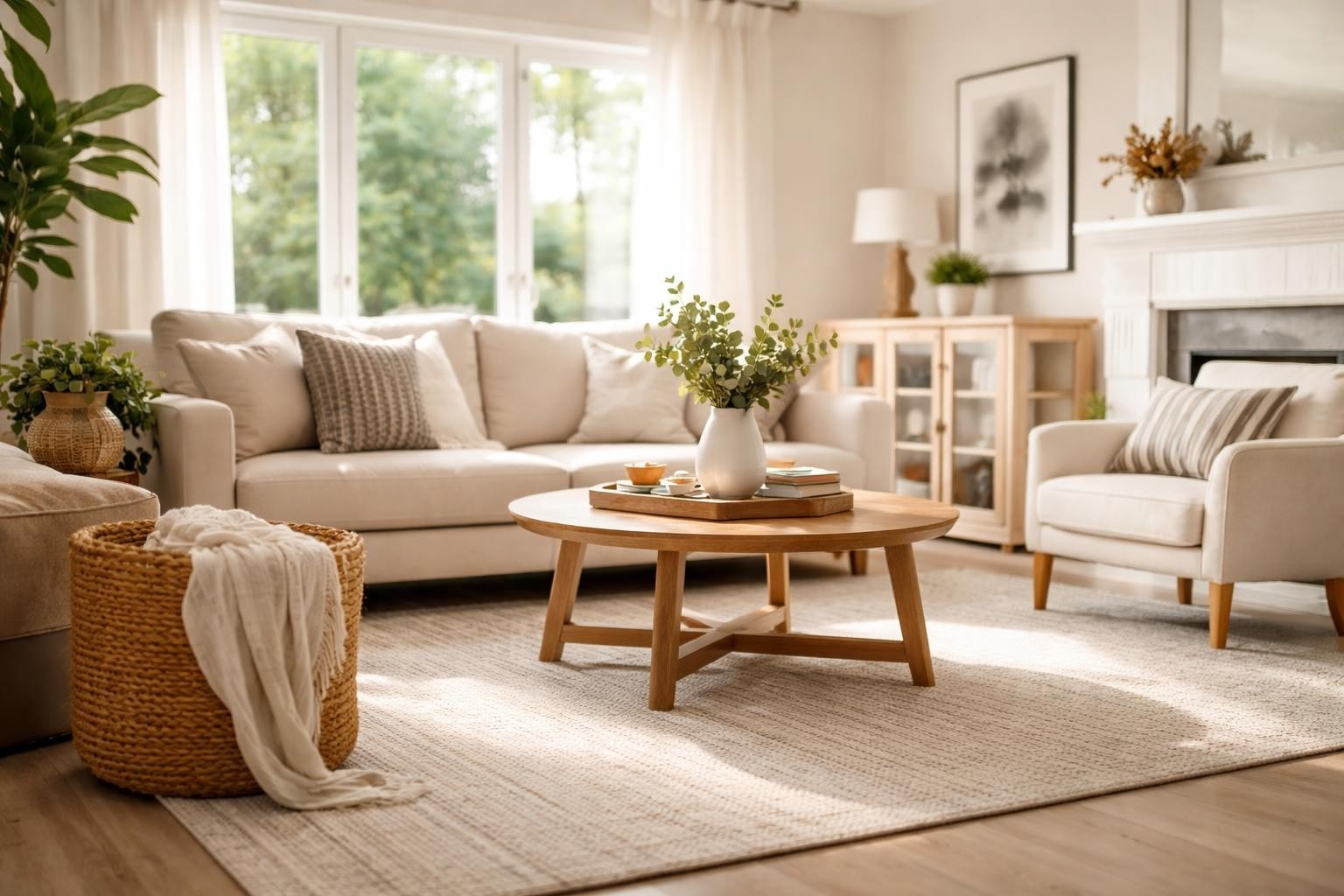

The living room serves as the emotional centerpiece of any home, making it one of the most critical spaces to perfect when preparing a property for sale. This primary gathering space often forms the buyer's first impression and significantly influences their decision-making process. Professional living room staging creates an environment where potential buyers can envision their own lives unfolding, making it an essential investment for sellers who want to maximize their property's market appeal and achieve faster sales at higher prices.
Understanding the Impact of Strategic Living Room Staging
Living room staging goes far beyond simply arranging furniture in a pleasing manner. It involves a comprehensive approach that addresses space planning, visual flow, lighting design, and psychological triggers that influence buyer behavior. When executed properly, staging techniques help eliminate dead space and create distinct zones that showcase the room's versatility.
The financial return on investment speaks for itself. Properties with professionally staged living rooms typically sell 73% faster than unstaged homes, and buyers are willing to pay 1-5% more for a property that presents beautifully. These statistics aren't surprising when you consider that the living room is where families envision entertaining guests, children playing, or quiet evenings relaxing together.
Why First Impressions Matter
Buyers form opinions about a property within seconds of entering the front door. The living room is often the first major space they encounter, making it crucial to create an immediate emotional connection. A well-staged living room communicates care, quality, and potential, while a poorly presented space can trigger doubts about the entire property.
Professional stagers understand how to leverage expert-approved staging tips that address both aesthetic appeal and functional concerns. They consider traffic patterns, sightlines from entry points, and how natural light moves through the space throughout the day.
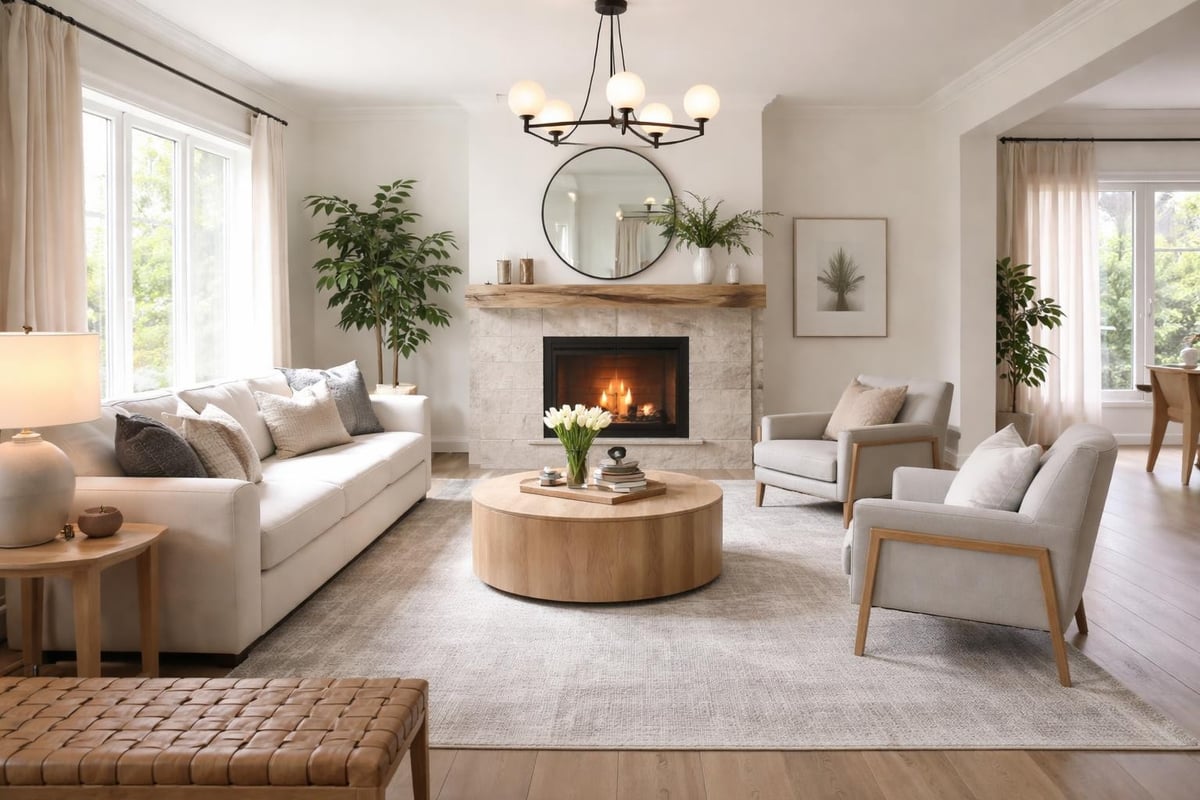
Essential Elements of Effective Living Room Staging
Several core components work together to create a successfully staged living room. Understanding these elements helps sellers and real estate professionals make informed decisions about their staging approach.
Furniture Selection and Arrangement
Scale and proportion form the foundation of proper furniture selection. Oversized sectionals might work perfectly for family movie nights, but they can make a living room feel cramped and reduce perceived square footage. Conversely, furniture that's too small creates an unfinished, sparse appearance that fails to showcase the room's potential.
The ideal furniture arrangement accomplishes several objectives simultaneously:
Creates clear walkways that allow buyers to move freely through the space
Establishes a focal point that draws the eye and anchors the room
Demonstrates multiple functional zones within larger spaces
Maintains balance without creating symmetrical rigidity
Allows for conversation groupings that feel natural and inviting
Interior design professionals recommend incorporating multiple seating areas in larger living rooms to prevent that "bowling alley" effect where all furniture lines the walls. Strategic placement creates intimacy while highlighting the room's generous proportions.
Color Palette and Visual Harmony
Neutral doesn't mean boring. The most effective living room staging utilizes a sophisticated neutral base that allows buyers to envision their own style while still feeling warm and inviting. This approach typically includes:
Element | Recommended Approach | Reasoning |
|---|---|---|
Wall Color | Warm whites, soft grays, gentle beiges | Appeals to broadest audience, reflects light |
Upholstery | Neutral tones with textural variation | Shows well in photos, won't date quickly |
Accent Colors | Two complementary accent colors maximum | Adds personality without overwhelming |
Metallics | Warm gold or cool silver (consistent throughout) | Provides subtle sophistication |
The layering of textures in neutral tones creates depth and interest. A cream sofa becomes dynamic when styled with linen pillows, a chunky knit throw, and smooth leather accent pieces. This couch styling technique elevates the entire room's presentation.
Maximizing Space and Light
Light transforms spaces in ways that furniture never can. Professional living room staging prioritizes both natural and artificial lighting to create an atmosphere that feels open, airy, and welcoming at any time of day.
Natural Light Enhancement
Window treatments play a crucial role in controlling and maximizing natural light. Heavy, dark curtains that block windows should be replaced with lighter options that frame the view without obscuring it. In many cases, removing window treatments entirely during showings allows maximum light penetration and showcases outdoor views.
Clean windows are non-negotiable. Sparkling glass allows 15-20% more light into the space and creates a fresh, well-maintained impression. Consider the orientation of each room when planning furniture placement to avoid blocking prime light sources.
Layered Artificial Lighting
A single overhead fixture creates harsh shadows and fails to showcase the room's best features. Effective living room staging incorporates three types of lighting:
Ambient lighting (overhead fixtures, recessed lights) provides general illumination
Task lighting (table lamps, floor lamps) serves specific functional areas
Accent lighting (picture lights, uplights) highlights architectural features or artwork
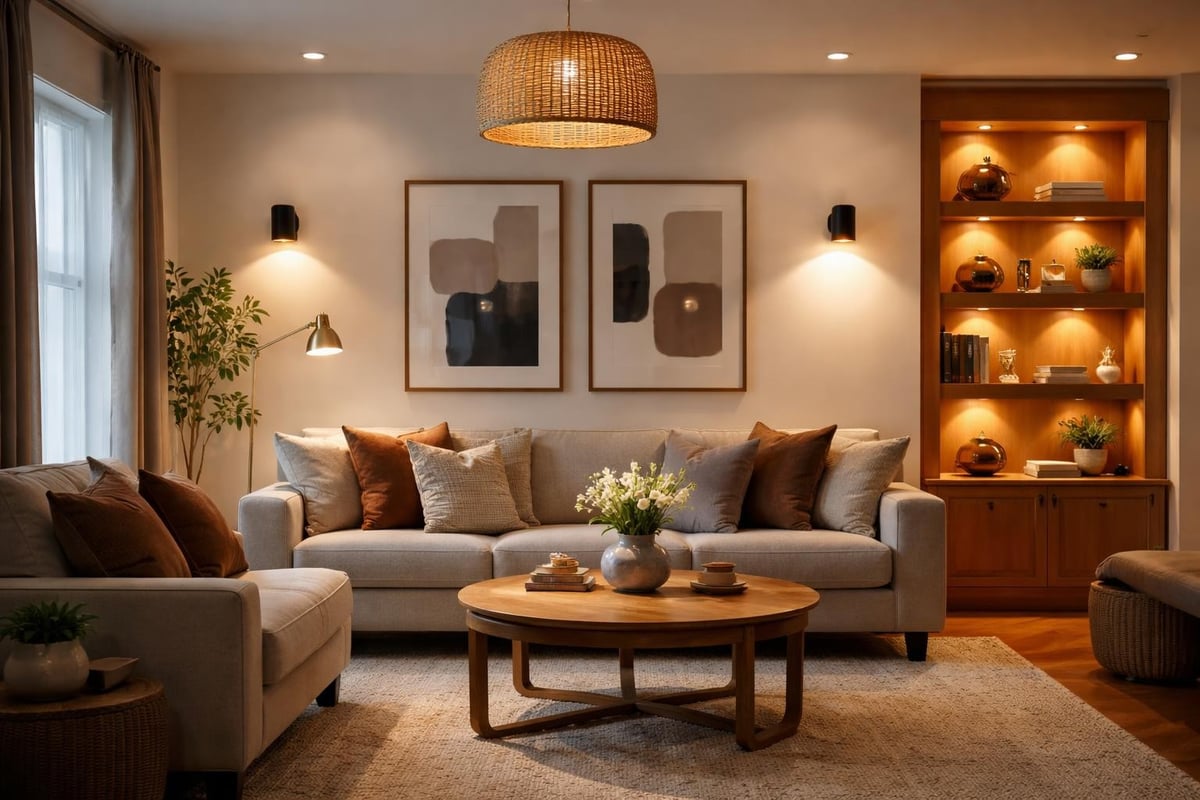
Each light source should use bulbs of consistent color temperature, typically 2700-3000K for a warm, inviting glow. Dimmer switches offer flexibility for different showing times and conditions.
Addressing Common Living Room Staging Challenges
Every living room presents unique obstacles that require creative solutions. Understanding how to overcome these challenges separates amateur attempts from professional results.
Small Living Rooms
Limited square footage demands strategic choices. The DIY staging approach for smaller spaces focuses on creating the illusion of spaciousness through furniture scale, mirror placement, and vertical design elements.
Key strategies include:
Using furniture with exposed legs to create visual lightness
Mounting the television to free up floor space
Incorporating mirrors to reflect light and expand sight lines
Choosing a glass or lucite coffee table that doesn't visually consume space
Keeping accessories minimal and purposeful
Wall color matters even more in compact rooms. Lighter shades recede visually, making walls feel farther away and the room larger than its actual dimensions.
Large, Open-Concept Spaces
Conversely, oversized living rooms can feel cold or difficult to furnish. Stage Joy's luxury staging services excel at defining multiple zones within large spaces while maintaining cohesive flow. Creating distinct conversation areas, reading nooks, or game spaces helps buyers understand how to utilize every square foot.
Area rugs become essential tools for defining these zones without physical barriers. Each seating area should have its own rug that anchors the furniture grouping and creates visual boundaries.
Awkward Architectural Features
Built-in elements, unusual angles, or architectural quirks require thoughtful handling. Rather than attempting to hide these features, successful staging often emphasizes them as character-adding elements. A diagonal fireplace becomes a charming focal point rather than a layout challenge when furniture is arranged to complement rather than fight the angle.
The Psychology Behind Buyer-Focused Staging
Professional living room staging taps into fundamental psychological principles that influence purchasing decisions. Understanding these concepts helps explain why certain choices resonate with buyers while others fall flat.
Creating Emotional Connections
Buyers don't purchase houses based solely on square footage and amenities. They invest in the lifestyle and emotional fulfillment they believe the property will provide. Effective staging helps buyers emotionally connect with a space by suggesting pleasant experiences and comfortable daily routines.
This explains why staged homes include elements like:
Books casually placed on a coffee table suggesting quiet reading time
A throw blanket draped invitingly over a chair arm
Fresh flowers bringing life and color into the space
A subtle coffee table vignette that feels curated but not cluttered
Each element contributes to a narrative about the lifestyle available in this home.
Neutrality Versus Personality
The delicate balance between neutral appeal and distinctive character challenges many sellers. Completely sterile spaces feel like hotel lobbies rather than homes, but overly personalized rooms prevent buyers from envisioning their own belongings in the space.
Too Personal | Balanced Approach | Too Generic |
|---|---|---|
Family photos, personal collections | Abstract art, neutral accent pillows | White walls, no accessories |
Bold paint colors throughout | One subtle accent wall maximum | Beige everything |
Niche hobby displays | Universally appealing books, objects | Empty shelves and surfaces |
Pet furniture and toys visible | Spotlessly clean, no pet evidence | Cold, unlived-in feeling |
Professional stagers achieve this balance by selecting accessories and artwork that add visual interest without broadcasting specific tastes or lifestyle choices. Practical staging tips emphasize showcasing the home itself rather than the current owner's preferences.
Budget-Conscious Staging Strategies
Professional staging delivers measurable results, but not every seller has unlimited resources. Understanding where to invest staging dollars yields the highest return helps maximize impact while respecting budgetary constraints.
High-Impact, Low-Cost Improvements
Several staging enhancements deliver significant visual impact without requiring major financial investment:
Paint refresh: A fresh coat of neutral paint immediately updates any space
Deep cleaning: Professional cleaning, including carpets and windows, transforms a room's appearance
Hardware updates: Replacing dated light fixtures or switch plates modernizes the space
Decluttering and depersonalizing: Costs nothing but time and storage solutions
Strategic furniture removal: Sometimes less truly is more
When to Invest in Professional Services
Certain situations justify the expense of professional staging assistance. Properties in competitive markets, higher price points, or homes that have languished on the market without offers benefit significantly from expert intervention. The Luxury Home Staging package offered by experienced staging companies provides comprehensive solutions that address every aspect of presentation, from furniture selection to final styling details.
Professional stagers bring expertise that extends beyond aesthetic choices. They understand current market trends, buyer demographics, and how to position properties competitively within specific price ranges and neighborhoods.
The strategic distribution of staging investment across high-impact elements like furniture rental, paint and repairs, professional cleaning, accessories and styling, and lighting upgrades
Preparing Your Living Room for Staging Success
The foundation of excellent staging begins with proper preparation. Even the most beautiful furniture and accessories cannot overcome underlying issues with the space itself.
Pre-Staging Checklist
Before any staging begins, address these critical items:
Repair all visible damage including wall dings, scratched floors, or cracked tiles
Address odors through deep cleaning, new carpet, or HVAC cleaning
Update dated elements like brass fixtures or popcorn ceilings
Ensure all lighting works and replace any burned-out bulbs
Clean or replace air vents and returns which buyers notice more than expected
Professional home stagers often discover issues during their initial assessment that homeowners have become blind to through familiarity. A fresh perspective identifies areas requiring attention before staging can achieve its full potential.
The Decluttering Process
Effective decluttering goes beyond simply tidying up. It involves systematically removing items until only the essential, beautiful, and functional remain. A good rule of thumb suggests removing 50% of visible items in most homes, and sometimes up to 75% in heavily furnished spaces.
Storage solutions during the staging period might include:
Renting a storage unit for excess furniture and personal items
Utilizing garage or attic space for seasonal decorations and hobby equipment
Removing all but essential kitchen items from visible surfaces
Consolidating children's toys into designated storage areas
The goal is creating a clean, spacious environment where buyers focus on the room's features rather than the current occupant's belongings.
Maintaining Staged Living Rooms During Active Listings
Once your living room is professionally staged, maintaining that pristine condition throughout the selling period presents its own challenges, especially for occupied homes.
Daily Maintenance Routines
Living in a staged home requires discipline and commitment. Establish simple daily routines that keep the space showing-ready:
Morning reset: Fluff pillows, fold throws, ensure all items are in assigned positions
Clutter control: Immediately address any items that don't belong in the staged space
Quick vacuum or sweep: Maintain floor appearance between deep cleanings
Light check: Verify all lamps and fixtures are functioning before showings
Many sellers find it helpful to create a "go bag" containing personal items, pet supplies, and daily-use objects that can be quickly grabbed when showings are scheduled on short notice.
Photography and Virtual Tour Considerations
Expert staging techniques remain crucial for online presentation, where most buyers form their initial impressions. The living room must photograph beautifully from multiple angles, appearing spacious and inviting in still images and video walkthroughs.
Professional real estate photographers often collaborate with stagers to ensure optimal lighting conditions and camera angles that showcase the room's best features. This partnership between staging and photography creates the compelling online presence that drives showing requests.
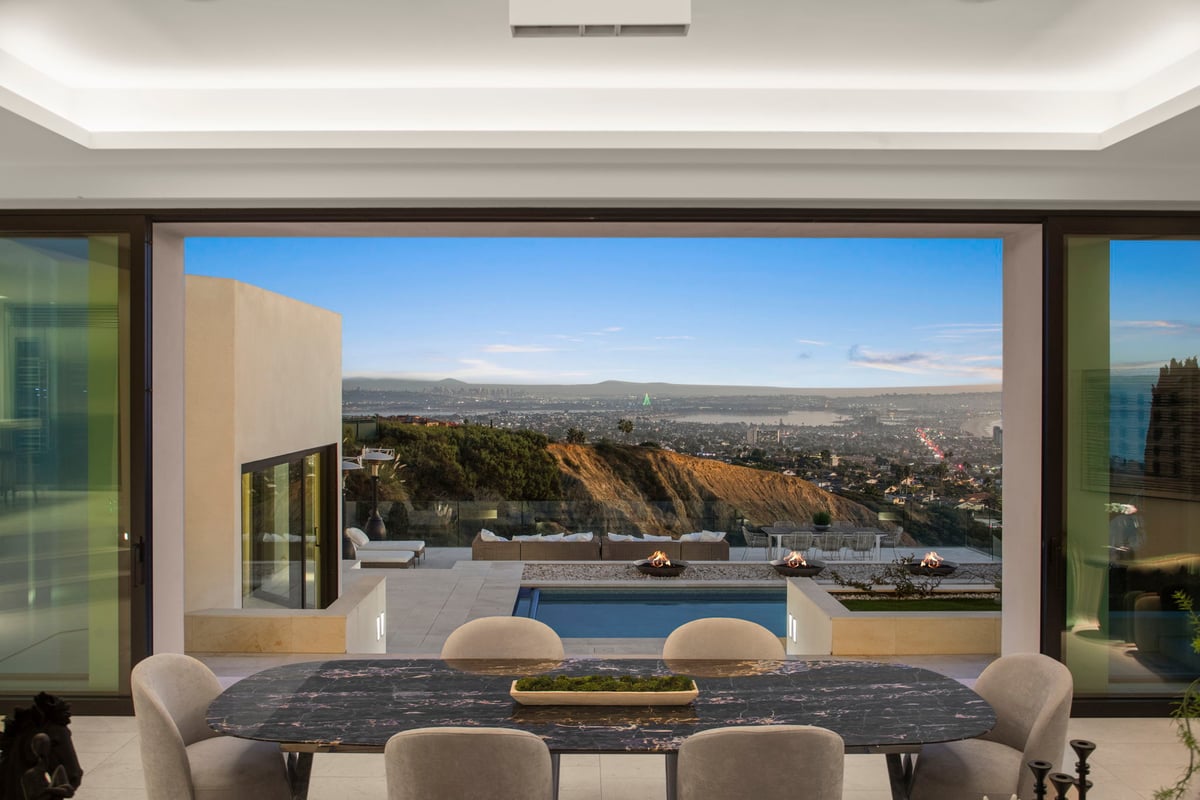
Transforming your living room through strategic staging creates the powerful first impression that converts casual browsers into serious buyers. From furniture arrangement and lighting design to color selection and accessory styling, every decision should support your goal of showcasing the space's full potential while allowing buyers to envision their future within those walls. Stage Joy brings extensive experience in home staging and interior design to properties throughout San Diego, offering customized solutions that highlight your home's best features without exceeding your budget. Contact their team today to discover how professional staging can help your property sell faster and for the price it deserves.