
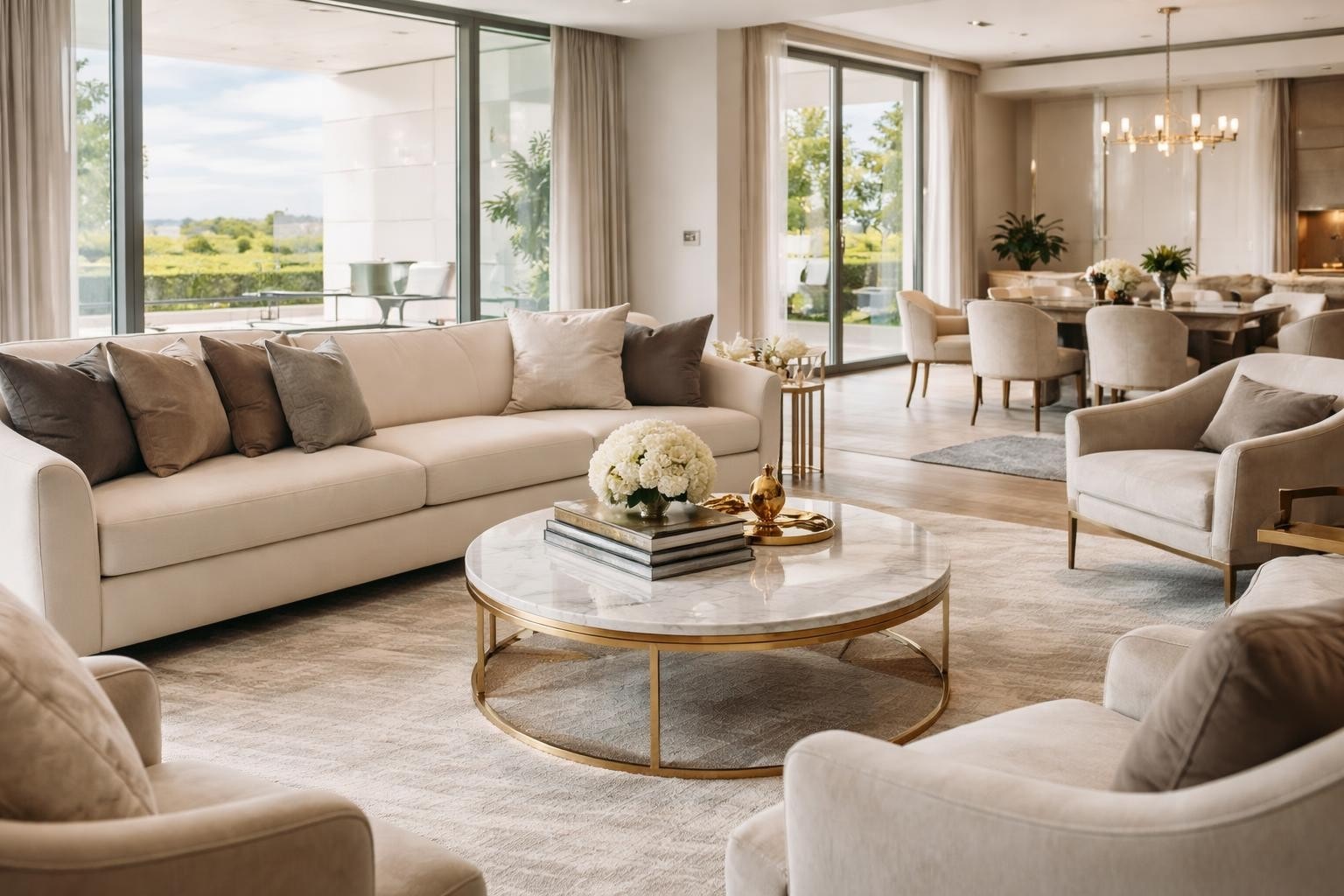

The high-end real estate market demands more than beautiful architecture and premium finishes. Today's affluent buyers expect properties to deliver an immediate emotional connection, a vision of their future lifestyle, and flawless presentation from the moment they step through the door. This is where luxury staging becomes essential, transforming exceptional properties into irresistible showcases that command attention and premium offers in competitive markets.
Understanding the Investment Value of Luxury Staging
Luxury staging represents a strategic investment rather than an expense. According to the National Association of Realtors, properly staged homes sell faster and often for higher prices than unstaged properties. In the luxury market, where properties typically carry price tags well into seven figures, even a modest percentage increase translates into substantial financial gains.
The return on investment for luxury staging extends beyond the final sale price. Professionally staged luxury homes spend less time on the market, reducing carrying costs, mortgage payments, and the risk of price reductions that signal desperation to savvy buyers. When competing against other high-end listings, presentation quality often determines which properties receive serious consideration and multiple offers.
The Psychology Behind High-End Buyer Expectations
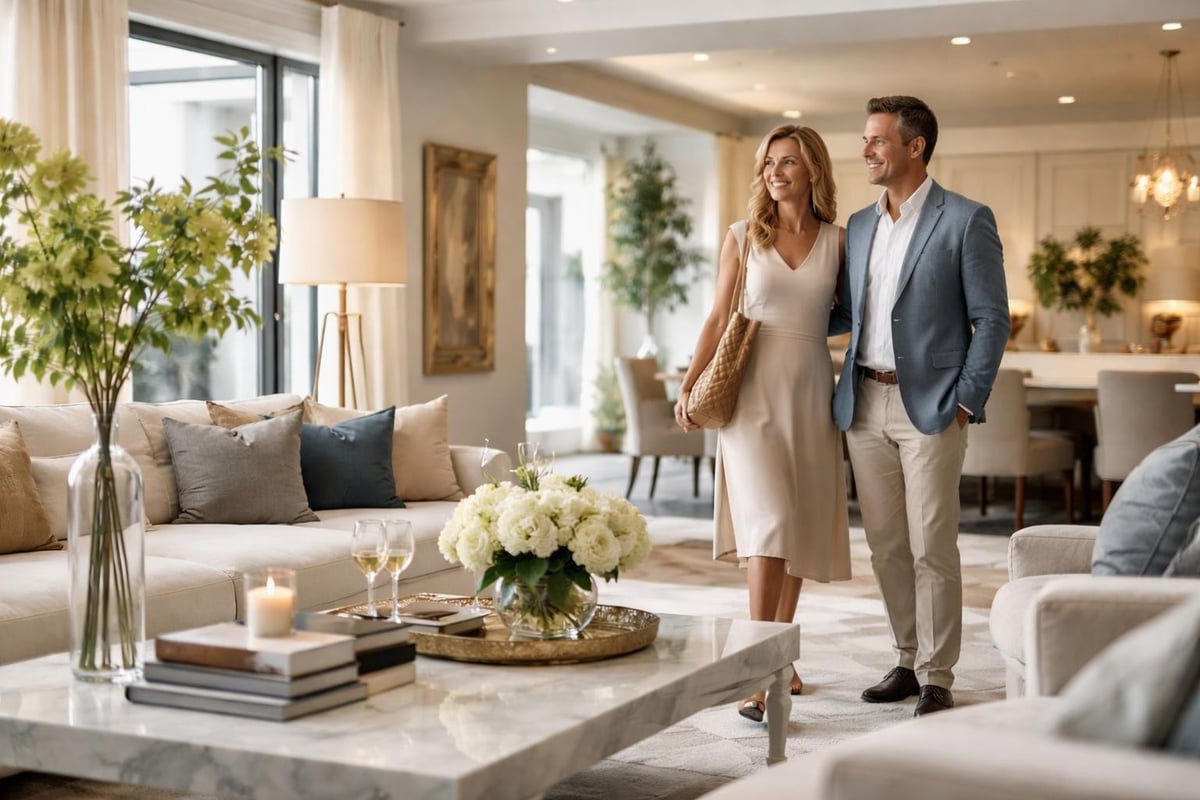
Affluent buyers approach property purchases with distinct expectations shaped by their lifestyle experiences. They're accustomed to luxury hotels, exclusive restaurants, and premium retail environments where every detail reflects sophistication and quality. Luxury staging creates this same elevated experience within a residential setting, allowing buyers to envision themselves living in refined comfort.
Key psychological triggers include:
Immediate visual impact that creates memorable first impressions
Cohesive design narratives that flow seamlessly throughout the home
Aspirational lifestyle representations that align with buyer identity
Attention to detail that demonstrates property care and quality
When buyers walk through a professionally staged luxury property, they're not just seeing rooms-they're experiencing possibilities. This emotional connection accelerates decision-making and justifies premium pricing in ways that empty or poorly presented spaces simply cannot achieve.
Essential Elements of Effective Luxury Staging
Successful luxury staging requires sophisticated understanding of design principles, market dynamics, and buyer preferences. Every element must work together to create an environment that feels both aspirational and authentic, luxurious yet livable.
Premium Furniture and Furnishings
The foundation of luxury staging begins with exceptional furniture selection. Unlike standard staging that relies on budget-friendly pieces, luxury properties demand museum-quality furniture, designer brands, and custom pieces that reflect the home's architectural caliber. Each item should appear as though it was specifically selected for that exact space, creating natural harmony between furnishings and environment.
Scale becomes critically important in luxury spaces. Oversized rooms require appropriately substantial furniture pieces that prevent spaces from feeling empty or awkward. Conversely, even in large homes, strategic furniture placement creates intimate conversation areas and functional zones that demonstrate how buyers can utilize every square foot effectively.
Sophisticated Color Palettes and Textures
Current luxury home staging trends emphasize layered neutrals punctuated with carefully selected accent colors. This approach creates timeless elegance while allowing the property's architectural features to remain the focal point. Rich textures-from silk draperies to cashmere throws-add depth and sensory appeal that photographs beautifully and impresses during showings.
The strategic use of metallics elevates luxury staging beyond ordinary presentation. Gold, brass, chrome, and bronze accents in light fixtures, hardware, and decorative accessories catch light and add visual interest without overwhelming the space. These touches signal quality and attention to detail that affluent buyers immediately recognize and appreciate.
Design Element | Budget Staging | Luxury Staging |
|---|---|---|
Furniture Quality | Rental-grade, mass-produced | Designer brands, custom pieces |
Color Approach | Safe neutrals only | Layered neutrals with curated accents |
Accessories | Minimal, generic | Curated art, unique objects |
Lighting | Standard fixtures | Statement chandeliers, custom solutions |
Textiles | Basic fabrics | Premium materials (silk, cashmere, linen) |
Room-by-Room Luxury Staging Strategies
Different spaces within luxury properties require tailored approaches that highlight their unique functions and appeal to specific buyer priorities. Understanding how to maximize each room's impact creates comprehensive presentation that justifies premium pricing.
Creating Show-Stopping Living Spaces
The living room sets the tone for the entire property. Luxury staging in this space should establish a clear purpose-whether formal entertaining, casual family gathering, or sophisticated relaxation. Layered seating arrangements create conversation zones, while statement artwork and architectural lighting draw eyes upward to appreciate ceiling height and architectural details.
Scale becomes particularly important in great rooms and open-concept spaces. Rather than pushing furniture against walls, luxury staging creates multiple defined areas within larger spaces. A seating group around the fireplace, a reading nook by windows, and a designated entertainment zone demonstrate versatility while maintaining cohesive flow throughout the room.
Elevating Kitchen and Dining Presentations
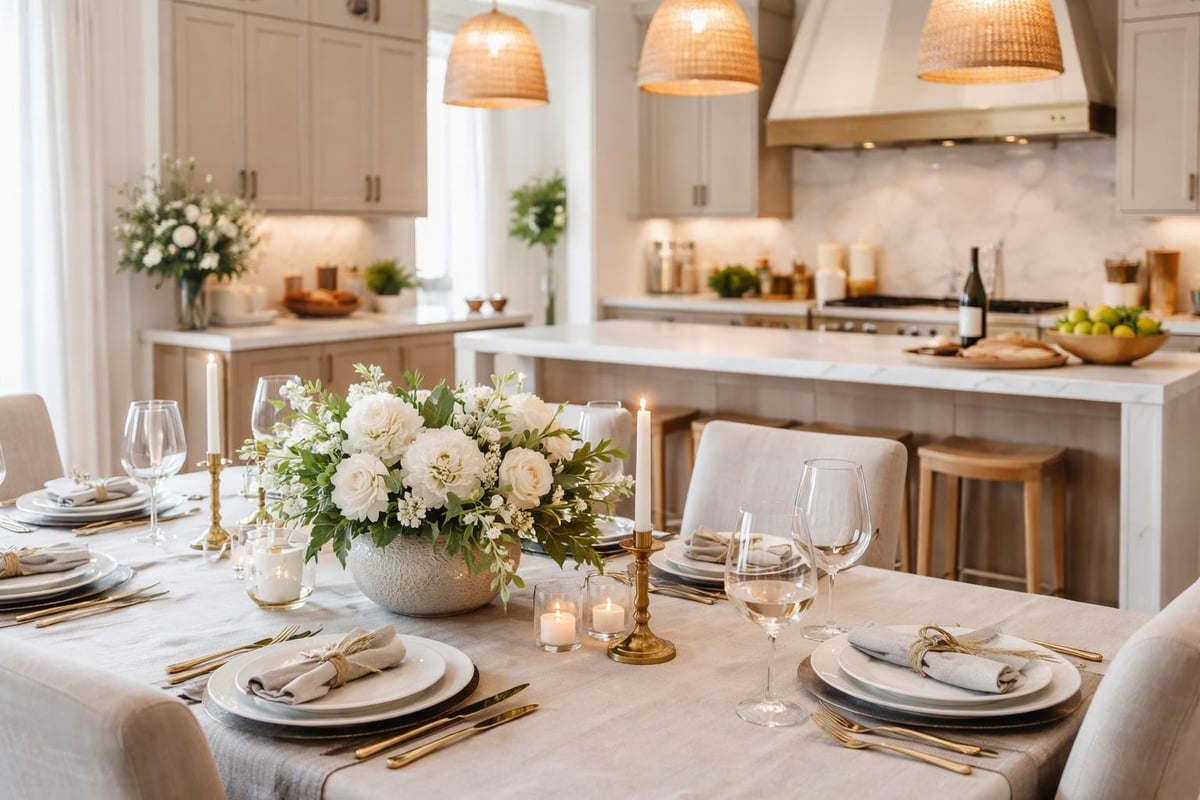
Kitchens rank among the most important spaces for luxury buyers, often serving as decision-making focal points during property tours. Beyond cleanliness and organization, luxury staging transforms kitchens into culinary showcases through carefully selected accessories, fresh flowers, and high-end serving pieces that suggest entertaining possibilities.
Display premium cookware and designer appliance brands
Style islands with fresh fruit, gourmet ingredients, or wine displays
Add professional-grade coffee stations or espresso machines
Incorporate designer barstools and pendant lighting
Showcase walk-in pantries with organizational systems
Dining spaces require formal yet inviting presentations. A fully set table with fine china, crystal stemware, and fresh floral centerpieces creates immediate visual impact while demonstrating the room's entertaining potential. Professional staging strategies emphasize creating experiences rather than just decorating rooms.
Master Suite Luxury Staging
Primary bedrooms in luxury properties must convey sanctuary-like tranquility while showcasing premium amenities. Hotel-inspired bedding with multiple pillow layers, luxurious throws, and high-thread-count linens creates immediate visual and tactile appeal. Nightstands should feature designer lamps, fresh flowers, and carefully curated accessories that suggest refined daily rituals.
Master bathrooms benefit from spa-like staging that highlights soaking tubs, rain showers, and premium fixtures. Plush towels, high-end bath products, candles, and fresh greenery transform functional spaces into retreat-worthy sanctuaries. When properties include walk-in closets, organizational systems paired with selective styling demonstrate storage potential without appearing cluttered.
Outdoor Spaces and Lifestyle Staging
Luxury staging extends beyond interior walls to encompass outdoor living areas that significantly impact buyer perception and property value. In San Diego's favorable climate, outdoor spaces often function as additional living rooms, making their presentation crucial for maximizing appeal.
Patio and Deck Staging
Outdoor entertaining areas require comfortable, weather-resistant furniture that mirrors interior quality levels. Complete seating arrangements, outdoor dining sets, and accent pieces like fire pits or water features create clear functional zones. Adding outdoor rugs, throw pillows, and lighting makes these spaces feel like natural extensions of interior living areas rather than afterthoughts.
Landscape staging should emphasize curb appeal and property boundaries while maintaining manicured, resort-like aesthetics. Fresh mulch, seasonal plantings, and strategic lighting enhance architectural features and create welcoming approaches. Professional landscaping that's been recently maintained signals property care and reduces buyer concerns about ongoing maintenance requirements.
Working with Professional Luxury Staging Services
The complexity and investment involved in luxury staging typically requires professional expertise. Understanding what to expect from staging partnerships helps sellers and agents make informed decisions that maximize returns.
Comprehensive Staging Solutions
Professional luxury staging companies provide complete service packages that handle every detail from initial consultation through installation and eventual removal. This typically includes furniture rental, accessory procurement, artwork selection, and professional placement by experienced design teams. For San Diego properties seeking elevated presentation, services like Stage Joy's staging expertise offer customized solutions tailored to specific properties and market positions.
The most effective staging professionals conduct thorough property assessments before creating design plans. They evaluate architectural features, natural lighting, room proportions, and target buyer demographics to develop strategies that highlight strengths while minimizing weaknesses. This consultative approach ensures staging investments deliver measurable market impact.
Staging Timeline and Logistics
Luxury staging requires careful planning and coordination. Most professional companies need two to four weeks from initial consultation to complete installation, depending on property size and furniture availability. Rush timelines are sometimes possible but may limit furniture selection or increase costs.
The installation process itself typically takes one to three days for luxury properties, with design teams working efficiently to minimize disruption. Professional stagers handle all logistics including furniture delivery, placement, styling, and final touches. They also coordinate with photographers to ensure optimal timing for listing photos that showcase the staging at its best.
Measuring Luxury Staging Success
Quantifying staging effectiveness helps justify investment and refine future strategies. Several metrics indicate whether luxury staging achieves its intended market impact.
Market Performance Indicators
The most obvious success measure is sale price relative to list price. Effectively staged luxury properties often receive offers at or above asking price, particularly in competitive markets. Research on luxury home staging consistently demonstrates correlation between professional staging and premium sale outcomes.
Time on market provides another critical metric. Luxury properties that linger unsold develop negative perception among buyers and typically require price reductions. Professionally staged homes generate more showing activity, faster offers, and shorter marketing periods. In high-end markets where each month of carrying costs can reach thousands of dollars, reducing time to sale delivers substantial financial benefits.
Success Metric | Unstaged Luxury | Professionally Staged Luxury |
|---|---|---|
Average Days on Market | 90-120 days | 45-75 days |
List to Sale Price Ratio | 92-95% | 97-102% |
Showing Requests | Moderate | High |
Offer Likelihood | Single offers | Multiple offers |
Buyer Feedback | Mixed concerns | Positive enthusiasm |
Buyer Engagement and Feedback
Beyond quantitative metrics, qualitative feedback from showings reveals staging impact. Agent feedback forms and buyer comments frequently reference specific staging elements that create positive impressions. When buyers discuss properties in terms of lifestyle possibilities rather than just square footage and features, staging has successfully shifted perception from analytical to emotional.
Online engagement metrics also indicate staging effectiveness. Professionally staged luxury listings typically generate higher click-through rates, longer website visits, and more save/favorite actions on real estate platforms. These digital indicators predict in-person showing requests and eventual offers, making them valuable early success signals.
Common Luxury Staging Mistakes to Avoid
Even well-intentioned staging efforts can backfire when common pitfalls aren't avoided. Understanding these mistakes helps ensure investments deliver intended returns.
Over-Personalization and Trendy Elements
Luxury staging should feel aspirational yet neutral enough for buyers to envision their own lifestyle. Overly bold design choices, religious symbols, political references, or highly personalized collections create barriers between properties and potential buyers. Similarly, staging that relies too heavily on current trends risks appearing dated before the property sells.
The goal is timeless elegance that appeals broadly to affluent buyers rather than niche design that attracts only specific tastes. Professional staging approaches emphasize sophisticated neutrality with enough character to create memorable impressions without limiting buyer imagination.
Inadequate Scale or Quality Mismatches
Nothing undermines luxury presentation faster than furniture that's too small for the space or accessories that don't match the property's quality level. A $5 million estate requires furnishings and styling that align with that price point. Budget-grade pieces or insufficient furniture quantities make large spaces feel empty and fail to justify premium pricing.
Quality mismatches also occur when staging inconsistently addresses different areas. If the living room receives luxury treatment while bedrooms get basic furniture, the disconnect confuses buyers and suggests the property doesn't merit comprehensive high-end presentation. Comparing professional luxury staging with DIY approaches reveals how expertise and proper investment levels distinguish effective staging from superficial decoration.
Luxury Staging in Competitive Markets
San Diego's luxury real estate market presents unique staging considerations shaped by climate, lifestyle expectations, and buyer demographics. Understanding local market dynamics ensures staging strategies resonate with target audiences.
Highlighting Indoor-Outdoor Living
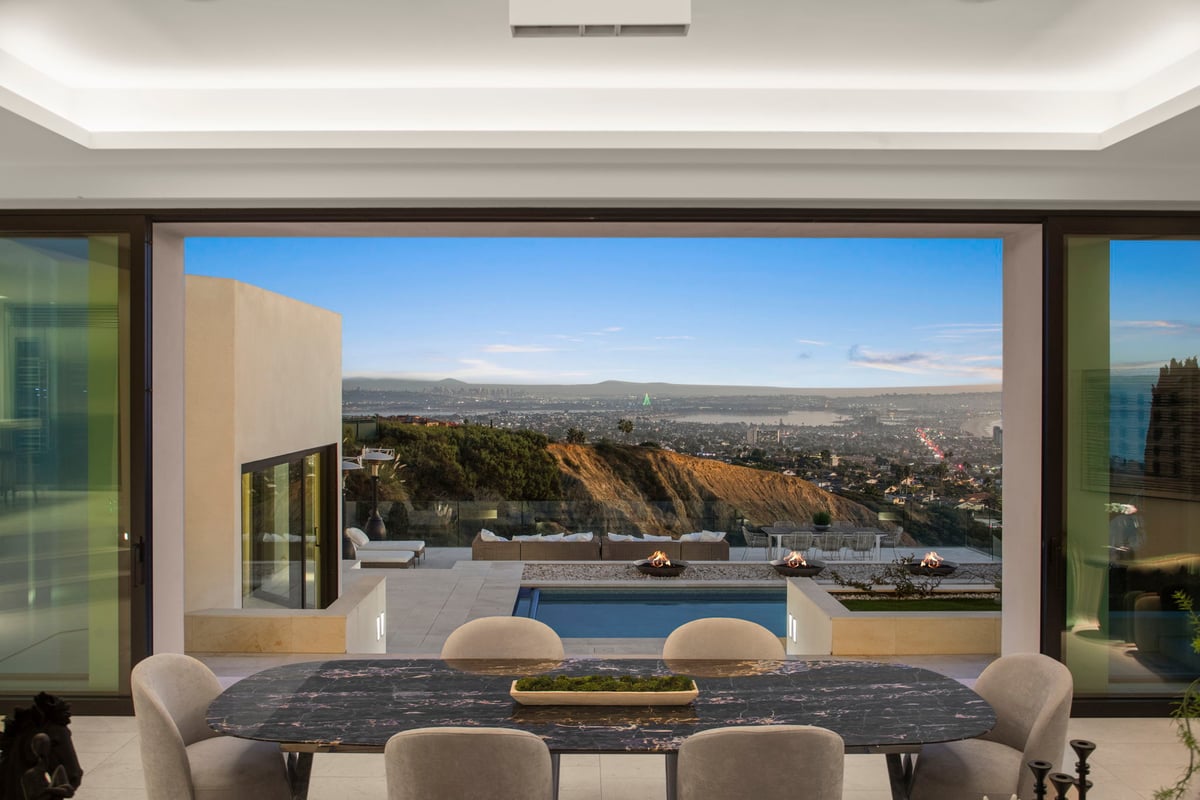
San Diego's Mediterranean climate makes indoor-outdoor flow essential for luxury properties. Staging should emphasize seamless transitions through coordinated indoor and outdoor furniture styles, strategic door and window treatments that maximize views, and lifestyle vignettes showing alfresco dining and entertaining possibilities. Properties with ocean views, canyon vistas, or mountain backdrops require staging that draws attention to these premium features rather than competing with them.
Climate advantages also allow for year-round outdoor staging unlike markets where seasonal limitations apply. Taking full advantage of patios, decks, pools, and outdoor kitchens through consistent staging elevates properties above competition that treats outdoor spaces as secondary considerations.
Addressing Diverse Buyer Demographics
San Diego's luxury market attracts diverse buyers including tech executives, military families, retirees, international investors, and lifestyle-focused professionals. Effective staging balances broad appeal with subtle targeting toward likely buyer profiles. Properties near beaches might emphasize casual coastal elegance, while estates in exclusive inland communities could lean toward more formal, traditional presentations.
Understanding whether the target buyer likely has children, works from home, entertains frequently, or prioritizes wellness amenities helps shape staging decisions. Home offices, fitness rooms, wine cellars, and media rooms each require thoughtful staging that demonstrates their value to appropriate buyer segments. For insights into successful San Diego luxury staging, reviewing Stage Joy's portfolio reveals how local expertise translates into market-appropriate presentation.
Investment Considerations and Budget Planning
Luxury staging requires substantial investment, but understanding cost structures helps sellers and agents make informed decisions that balance expenditure with expected returns.
Typical Luxury Staging Costs
Professional luxury staging typically costs 1-3% of the property's list price, with high-end estates sometimes justifying higher percentages. A $3 million property might require $30,000-$90,000 in staging investment, while $10 million estates could warrant $100,000 or more for comprehensive presentation. These figures include furniture rental, accessories, installation, styling, and monthly rental fees until the property sells.
Cost factors include property size, room count, staging duration, furniture quality levels, and whether properties are vacant or occupied. Vacant properties require complete furnishing while occupied homes might need only selective upgrades and rearrangements. Most staging companies offer tiered packages allowing sellers to choose investment levels aligned with market positioning and budget constraints.
ROI Calculations and Break-Even Analysis
Calculating staging return on investment requires comparing staging costs against expected sale price increases and carrying cost savings from faster sales. If $50,000 in staging investment yields a $100,000 sale price increase while reducing time on market by 60 days, the net benefit easily justifies the expenditure after accounting for saved mortgage payments, utilities, and maintenance costs.
Conservative estimates suggest professional luxury staging delivers 2-to-1 or better ROI in most markets, with some properties achieving 5-to-1 or higher returns when staging transforms buyer perception and generates competitive bidding. These calculations become even more favorable when factoring in avoided price reductions that often exceed original staging investments.
Luxury staging transforms exceptional properties into market-ready showcases that command attention, justify premium pricing, and accelerate sales in competitive markets. By investing in professional presentation that highlights architectural features, creates emotional connections, and demonstrates lifestyle possibilities, sellers position their properties for maximum success. Stage Joy brings extensive staging expertise and customized solutions to San Diego's luxury market, helping property owners achieve outstanding results through strategic, sophisticated presentation that appeals to discerning buyers and delivers measurable returns.