
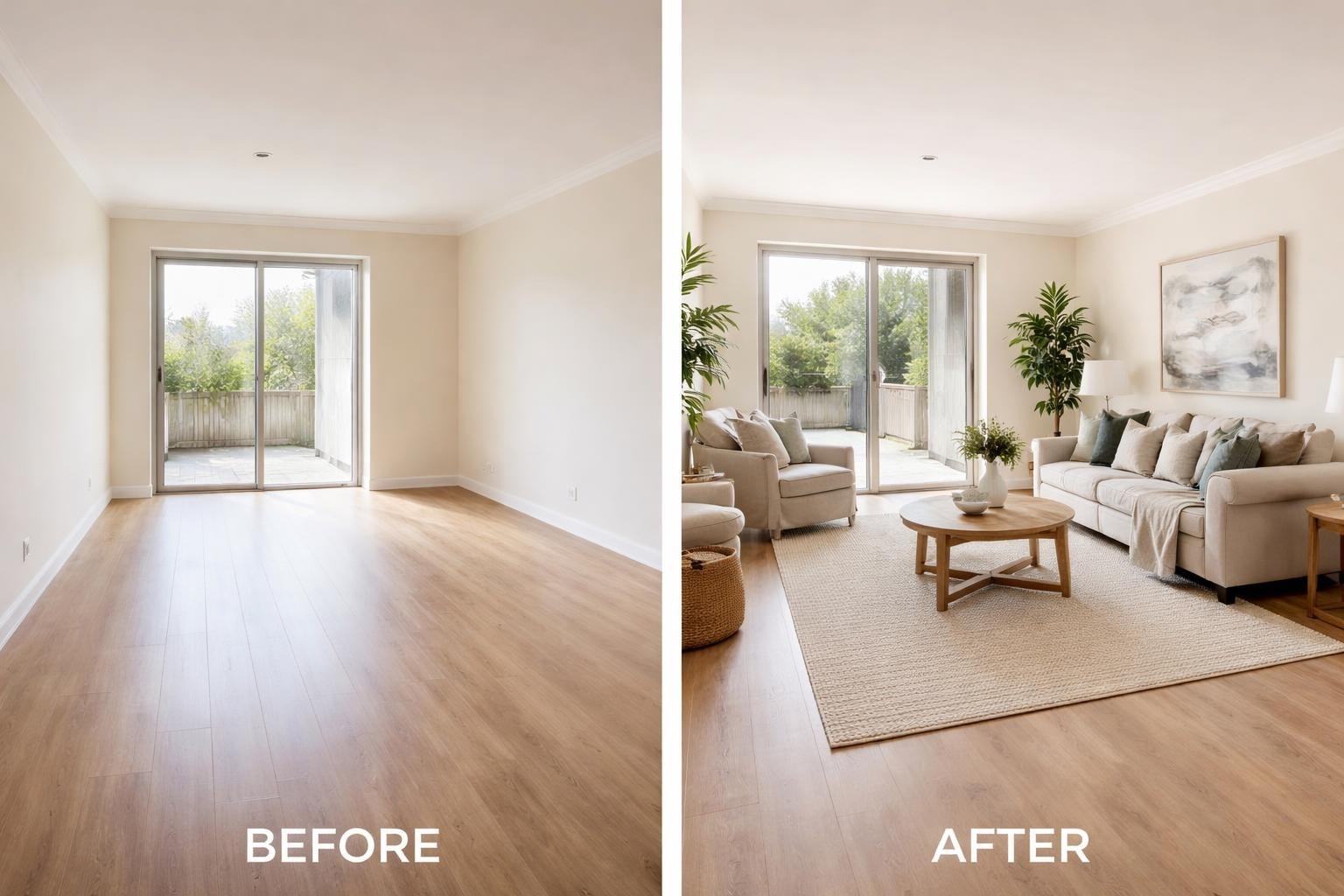

Searching for "property styling near me" reflects a critical decision point for homeowners and real estate professionals who recognize that presentation directly impacts property value and buyer interest. Professional property styling transforms vacant or poorly presented spaces into compelling environments that help potential buyers envision themselves living in the home. The local staging industry has evolved significantly, offering specialized services that cater to diverse property types, budgets, and market conditions. Understanding how to identify and work with the right property styling professionals in your area can mean the difference between a property that lingers on the market and one that generates multiple offers within days.
Understanding Property Styling and Its Market Impact
Property styling, also known as home staging, involves strategically arranging furniture, décor, and accessories to showcase a property's best features while minimizing its weaknesses. This professional service goes far beyond simple decorating. It's a marketing tool designed to create emotional connections with buyers and help them visualize the lifestyle a property offers.
The financial impact of professional staging is measurable and significant. According to property styling statistics, staged homes typically sell for 6-25% more than unstaged properties and spend 73% less time on the market. These numbers reflect buyer psychology and the competitive advantage that professionally presented properties enjoy in crowded markets.
Key Elements of Professional Property Styling
Effective property styling incorporates several essential components that work together to create a cohesive, appealing presentation:
Furniture selection and placement that defines spaces and demonstrates functionality
Color palette coordination using neutral tones that appeal to broad buyer demographics
Lighting optimization through layered lighting solutions that enhance ambiance
Accessorizing and styling with carefully curated décor that adds personality without overwhelming
Space planning that maximizes perceived square footage and flow
Understanding what property styling entails helps sellers appreciate the expertise required to execute successful staging. Professional stylists combine design knowledge with market awareness to create presentations that resonate with target buyer profiles.
Why Local Property Styling Matters
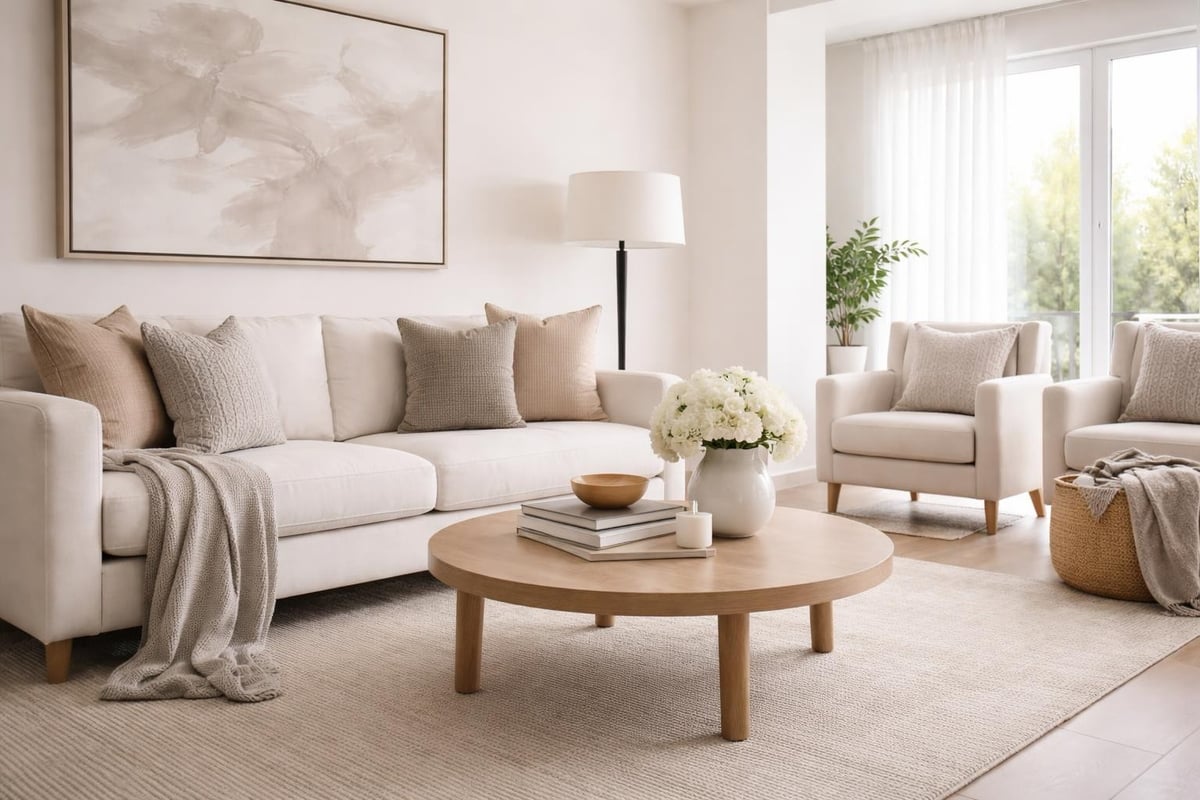
Choosing a property styling service "near me" offers distinct advantages over hiring distant or online-only providers. Local staging professionals understand regional market preferences, architectural styles common to your area, and the specific buyer demographics active in your neighborhood.
Regional Market Knowledge
San Diego properties, for example, benefit from staging that emphasizes indoor-outdoor living, coastal aesthetics, and the region's year-round appeal. A local stager familiar with luxury staging approaches understands how to position high-end properties to match buyer expectations in premium neighborhoods.
Local professionals also maintain relationships with real estate agents, photographers, and other service providers who contribute to successful property sales. These connections streamline the staging process and ensure all marketing elements work together cohesively.
Practical benefits of local property styling services include:
Quick response times for consultations, installations, and adjustments
Reduced transportation costs for furniture and accessories
Familiarity with local permitting and HOA requirements when needed
Access to climate-appropriate staging materials and furniture
Knowledge of neighborhood-specific buyer preferences
How to Search for Property Styling Near Me Effectively
Finding quality property styling services requires more than a simple internet search. The most effective approach combines online research with verification of credentials, experience, and compatibility with your specific needs.
Digital Search Strategies
Start with targeted searches that include your city or neighborhood. "Property styling near me" activates location-based results, but refining searches with terms like "home staging San Diego" or "property stylist [your neighborhood]" yields more relevant results. Review multiple sources including Google Maps, business directories, and real estate forums where local professionals are discussed.
Search Method | Advantages | Considerations |
|---|---|---|
Google Search | Immediate, location-based results | May prioritize paid ads over quality |
Real Estate Agent Referrals | Pre-vetted professionals | Limited to agent's network |
Portfolio Websites | Visual proof of work quality | May not show unsuccessful projects |
Social Media | Current work examples, client interactions | Requires verification of legitimacy |
Industry Associations | Credentialed professionals | Membership doesn't guarantee quality |
Evaluating Property Styling Portfolios
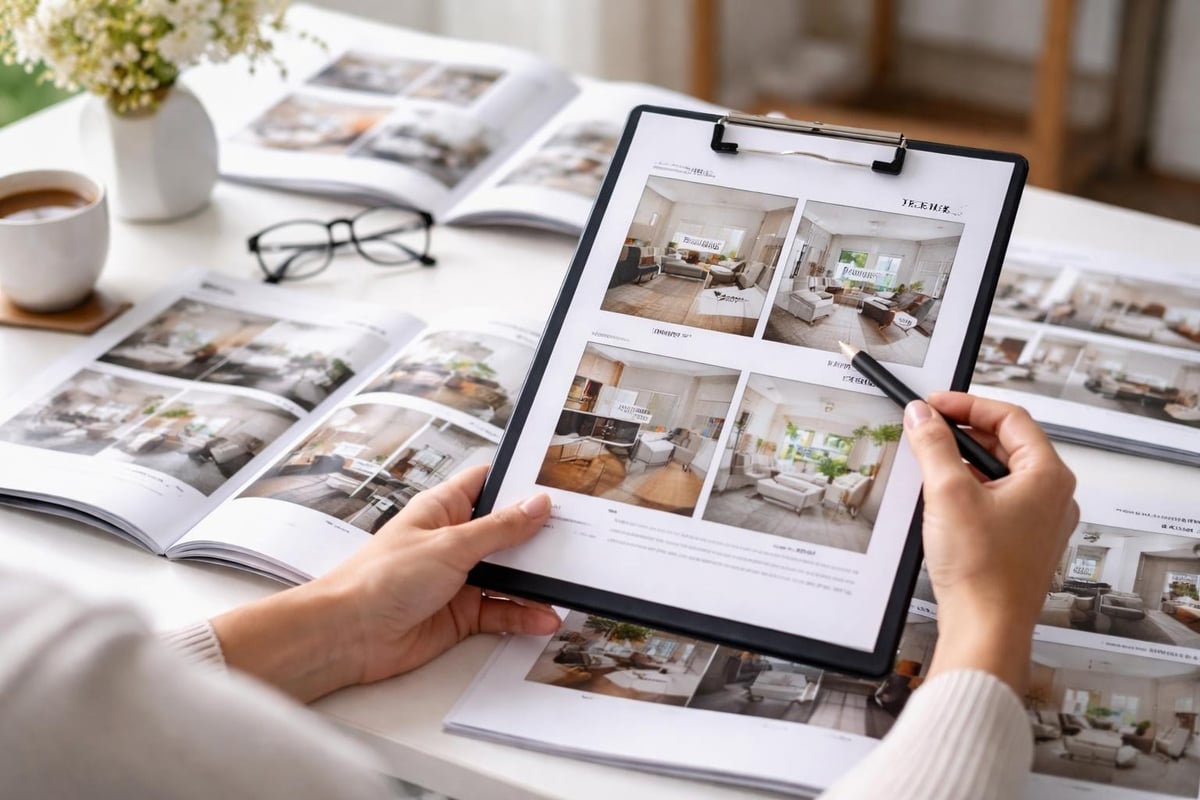
A stager's portfolio reveals their design aesthetic, versatility, and experience with properties similar to yours. Look for diversity in property types, consistent quality across projects, and before-and-after examples that demonstrate transformation capabilities.
Pay attention to how staged properties photograph. Since most buyers form first impressions online, staging that translates well to professional photography creates stronger marketing materials. Examine whether the stager's work appears current and on-trend without being overly trendy, as styles that appeal today need to remain attractive throughout your listing period.
Property Styling Service Options and Packages
Professional property styling services offer various packages designed to meet different needs, budgets, and property conditions. Understanding these options helps you select appropriate services without overspending or underinvesting in your property's presentation.
Full-Service Staging Solutions
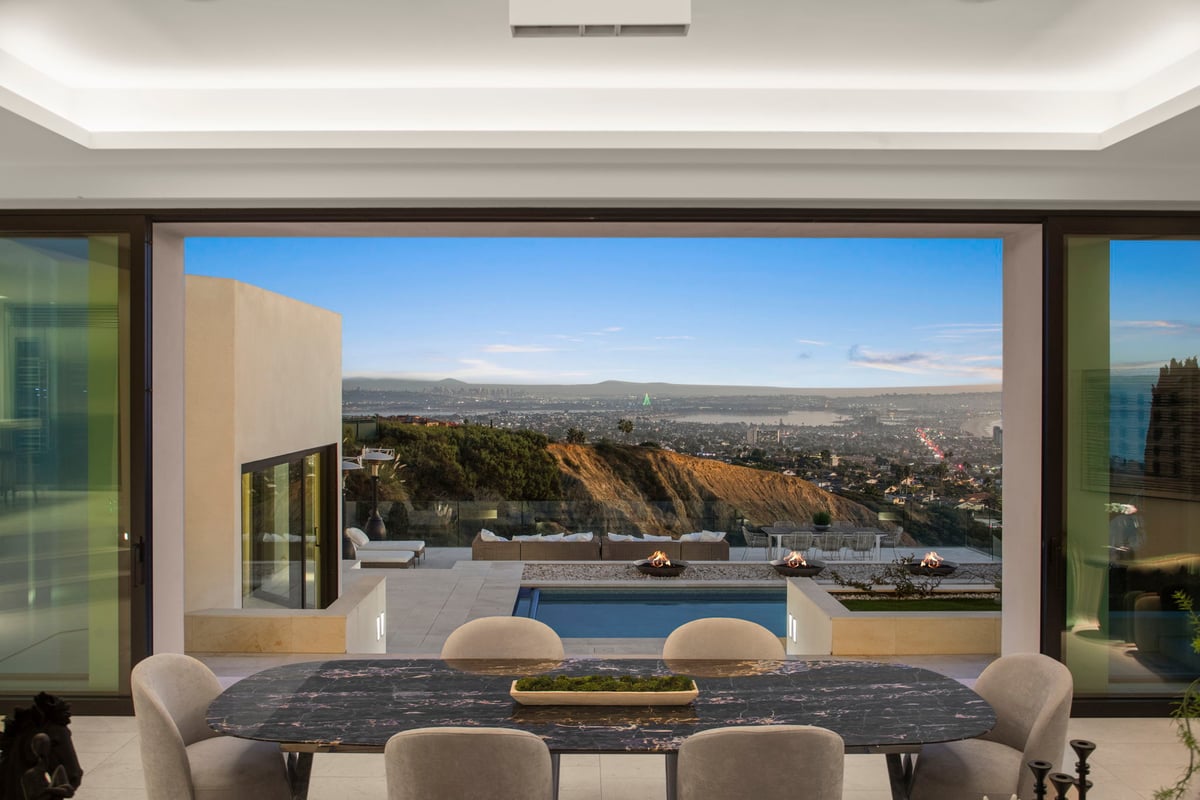
Comprehensive staging packages typically include consultation, furniture rental, accessory selection, installation, and removal after sale. These turnkey solutions work best for vacant properties or homes where existing furnishings detract from sale potential. The Luxury Home Staging (Lux Package) exemplifies this approach, providing complete transformation for high-value properties where premium presentation justifies the investment and directly impacts final sale price.
Premium staging becomes particularly valuable for properties priced above neighborhood medians. When selling a home where every percentage point of sale price represents significant dollars, professional staging delivers measurable return on investment.
Partial Staging and Consultation Services
Not every property requires full staging. Partial staging focuses on key rooms that most influence buyer decisions: living rooms, primary bedrooms, kitchens, and dining areas. This approach reduces costs while maintaining impact in spaces where buyers spend the most time during viewings.
Consultation-only services include:
Professional assessment of existing furnishings and décor
Recommendations for rearrangement, removal, or additions
Color and repair suggestions to enhance appeal
Guidance on common design mistakes that make homes look cheap
DIY staging instructions for budget-conscious sellers
These lighter-touch services suit occupied homes where sellers possess quality furniture that simply needs repositioning and editing to create better presentation.
Cost Considerations for Local Property Styling
Property styling investment varies based on property size, staging duration, service level, and local market rates. Understanding pricing structures helps you budget appropriately and evaluate quotes from different providers.
Typical Pricing Models
Most property styling services use one of three pricing approaches. Monthly rental fees range from $2,000 to $8,000 for average-sized homes, with initial setup fees adding $500 to $2,000. Flat-rate packages bundle consultation, staging, and specified rental periods into single prices, providing cost predictability. Hourly consultation rates, typically $100 to $300 per hour, apply to advisory services without furniture rental.
The investment equation balances staging costs against expected sale price increases and reduced carrying costs from faster sales. A $5,000 staging investment that increases sale price by $20,000 and reduces mortgage, utility, and maintenance costs by three months delivers substantial net benefit.
Property Type | Average Staging Cost | Expected ROI | Typical Time Reduction |
|---|---|---|---|
1-2 Bedroom | $2,500 - $4,500 | 8-12% price increase | 30-45 days faster |
3-4 bedroom | $4,000 - $7,500 | 10-15% price increase | 45-60 days faster |
Luxury 4+ Bedroom | $7,000 - $15,000+ | 12-20% price increase | 60-90 days faster |
Hidden Costs and Budget Planning
Beyond quoted staging fees, consider additional expenses that impact total investment. Professional photography, virtual tours, and deep cleaning before staging add $500 to $2,000. Extended market time may require rental period extensions at additional monthly costs. Transportation fees for furniture delivery and removal can add several hundred dollars depending on distance and access difficulty.
Request detailed quotes that itemize all costs and clarify what's included versus optional add-ons. Understanding the complete financial picture prevents budget surprises and enables accurate cost-benefit analysis.
Questions to Ask Property Styling Professionals
The consultation process reveals whether a staging company understands your goals, communicates effectively, and operates professionally. Asking strategic questions helps you assess expertise and establish clear expectations.
Experience and Credentials Verification
Inquire about years in business, number of properties staged, and specific experience with properties similar to yours in size, style, and price range. Request references from recent clients and real estate agents who've worked with the stager. Professional credentials from organizations like RESA (Real Estate Staging Association) or IAHSP (International Association of Home Staging Professionals) indicate commitment to industry standards.
Ask to see case studies demonstrating problem-solving capabilities. How did they handle challenging layouts, limited budgets, or properties with significant drawbacks? Examples of creative solutions reveal professional competence beyond standard staging approaches.
Essential questions about the staging process include:
What's your typical timeline from consultation to installation?
How do you select furniture and accessories for specific properties?
What happens if pieces get damaged during the staging period?
How do you handle feedback or adjustment requests?
What's included in your de-staging and removal service?
Compatibility and Communication Style
Beyond technical expertise, compatibility matters when working with staging professionals. You'll collaborate throughout the process, so communication style, responsiveness, and professionalism significantly impact the experience. During consultations, assess whether the stager listens to your concerns, explains recommendations clearly, and demonstrates respect for your property and goals.
Preparing Your Property for Professional Styling
Professional stagers achieve optimal results when working with properly prepared properties. Advance preparation maximizes their creative possibilities and ensures efficient installation.
Pre-Staging Property Preparation
Address necessary repairs before staging begins. Broken fixtures, damaged walls, and malfunctioning systems undermine even the best styling. Expert property styling tips consistently emphasize that repairs and maintenance establish the foundation for successful presentation.
Deep cleaning represents another critical preparatory step. Carpets should be professionally cleaned, windows washed inside and out, and all surfaces thoroughly cleaned. Staging adds polish to already-clean spaces rather than masking maintenance deficiencies.
Property preparation checklist:
Complete all recommended repairs from pre-listing inspection
Deep clean entire property including carpets, windows, and fixtures
Remove personal items, photos, and collections
Clear closets and storage areas to 50% capacity
Touch up paint in high-traffic areas and on trim
Ensure all light fixtures have working bulbs
Address any odors from pets, cooking, or other sources
Decluttering and Depersonalization
Removing personal belongings allows staging furniture and décor to define the space without competing with owner possessions. Buyers need to envision their lives in the property, which becomes difficult when surrounded by someone else's family photos, collections, and highly personal style choices.
This process often proves emotionally challenging for sellers with strong attachments to their homes. Starting early, working methodically through one room at a time, and focusing on the financial goal makes the task more manageable. Many staging professionals offer decluttering guidance and property styling tips as part of their consultation services.

Working With Your Staging Professional
The staging relationship works best as a collaboration where professional expertise combines with owner knowledge to create compelling presentation. Understanding roles and maintaining open communication ensures smooth execution.
The Consultation and Planning Phase
Initial consultations typically involve property walkthrough, discussion of target buyer demographics, review of comparable property presentations, and recommendation development. Professional stagers analyze your property's strengths and weaknesses from buyer perspectives, identifying opportunities to maximize appeal.
Be prepared to discuss your timeline, budget constraints, and any non-negotiable elements. If you must keep certain furniture pieces or maintain access to specific areas during staging, communicate these requirements upfront so the stager can plan accordingly.
Installation and Adjustment Period
Professional installation typically occurs over one to three days depending on property size and staging scope. The home staging services process includes furniture delivery, precise placement, and detailed styling of accessories, artwork, and finishing touches.
After installation, schedule a walkthrough with your stager to review the presentation. This provides opportunity to request minor adjustments before photography and listing launch. Most professionals include one round of reasonable modifications in their service agreements.
Maximizing Your Staging Investment
Getting optimal return from property styling requires strategic coordination with other sale preparation elements. Staging represents one component of comprehensive property marketing.
Coordinating With Photography and Marketing
Professional photography should occur within days of staging installation while everything appears fresh and perfectly arranged. Coordinate with your real estate agent to schedule photography, videography, and any virtual tour creation immediately after staging completion.
Lighting conditions significantly impact photography quality. Schedule shoots during optimal natural light hours and ensure all staged rooms have appropriate lighting activated. The investment in professional staging diminishes if captured with inadequate photography.
Marketing coordination checklist:
Schedule professional photography within 48 hours of staging installation
Create virtual tours and video walkthroughs while staging is pristine
Develop property descriptions that highlight staged features
Plan open house schedule to maximize staged property exposure
Maintain staging condition throughout listing period
Maintaining Staged Presentation
Once staged, properties must remain in show-ready condition throughout the listing period. For vacant properties, this primarily requires periodic inspection to ensure nothing has shifted, gotten dusty, or been disturbed. Occupied staged homes require more diligent maintenance.
If living in a staged property, establish daily routines that restore staging condition after personal use. Keep personal items confined to unstaged areas, immediately clean any messes, and restore furniture and accessories to exact positions after any disturbance. Tips for styling homes that appeal to broad buyer ranges emphasize consistency in presentation quality.
Seasonal Considerations for Property Styling Near Me
Local climate and seasonal factors influence optimal staging approaches and timing. Properties listed during different seasons benefit from styling that acknowledges and capitalizes on seasonal advantages.
Climate-Appropriate Staging Elements
San Diego's year-round moderate climate allows incorporation of indoor-outdoor styling elements that showcase lifestyle advantages. Staging patios, balconies, and outdoor living spaces extends usable square footage and emphasizes regional living benefits.
Seasonal accents should remain subtle and broadly appealing. Light, fresh color palettes work well in spring and summer, while warmer tones and layered textures suit fall and winter listings. Avoid heavy holiday decorating that dates listings and limits appeal to buyers celebrating different traditions.
Timing Your Staging Investment
Property styling costs typically include initial setup fees plus monthly rental charges. Strategic timing minimizes rental duration while maximizing impact. List properties shortly after staging installation to capitalize on pristine condition and buyer interest.
Consider market seasonality when planning staging investment. Spring and early summer typically see highest buyer activity in most markets, suggesting optimal staging timing. However, properly staged properties generate interest year-round, often attracting serious buyers facing life circumstances requiring immediate purchase regardless of season.
Alternative and Emerging Property Styling Options
Traditional full-service staging continues evolving with technology and changing buyer behaviors. Understanding emerging options helps you select approaches that match current market conditions.
Virtual Staging Considerations
Digital staging adds furniture and décor to listing photos through software, costing significantly less than physical staging. While budget-friendly, virtual staging presents limitations and potential issues. Buyers visiting virtually staged properties encounter empty rooms that may disappoint after seeing furnished photos online.
Ethical and legal considerations require clear disclosure when using virtual staging. Many markets now mandate specific language in listings indicating photos show virtual furnishings. Misleading buyers undermines trust and can jeopardize transactions.
Hybrid Staging Approaches
Combining limited physical staging in key rooms with virtual enhancement of secondary spaces offers middle-ground solutions. Living rooms, primary bedrooms, and kitchens receive actual furniture and styling, while bedrooms, offices, and bonus rooms get digital treatment. This approach reduces costs while maintaining authenticity in most-important spaces.
Professional staging companies increasingly offer hybrid packages recognizing that budget constraints shouldn't eliminate staging entirely. Discussing flexible options during consultations often reveals creative solutions fitting various financial parameters.
Property styling represents a proven strategy for increasing sale prices and reducing market time, with local professionals offering distinct advantages through regional expertise and practical accessibility. The investment in professional staging services delivers measurable returns when executed strategically and coordinated with comprehensive property marketing. If you're preparing to sell in the San Diego area and want to maximize your property's appeal to potential buyers, Stage Joy provides customized staging solutions designed to highlight your home's best features while working within your budget and timeline.