
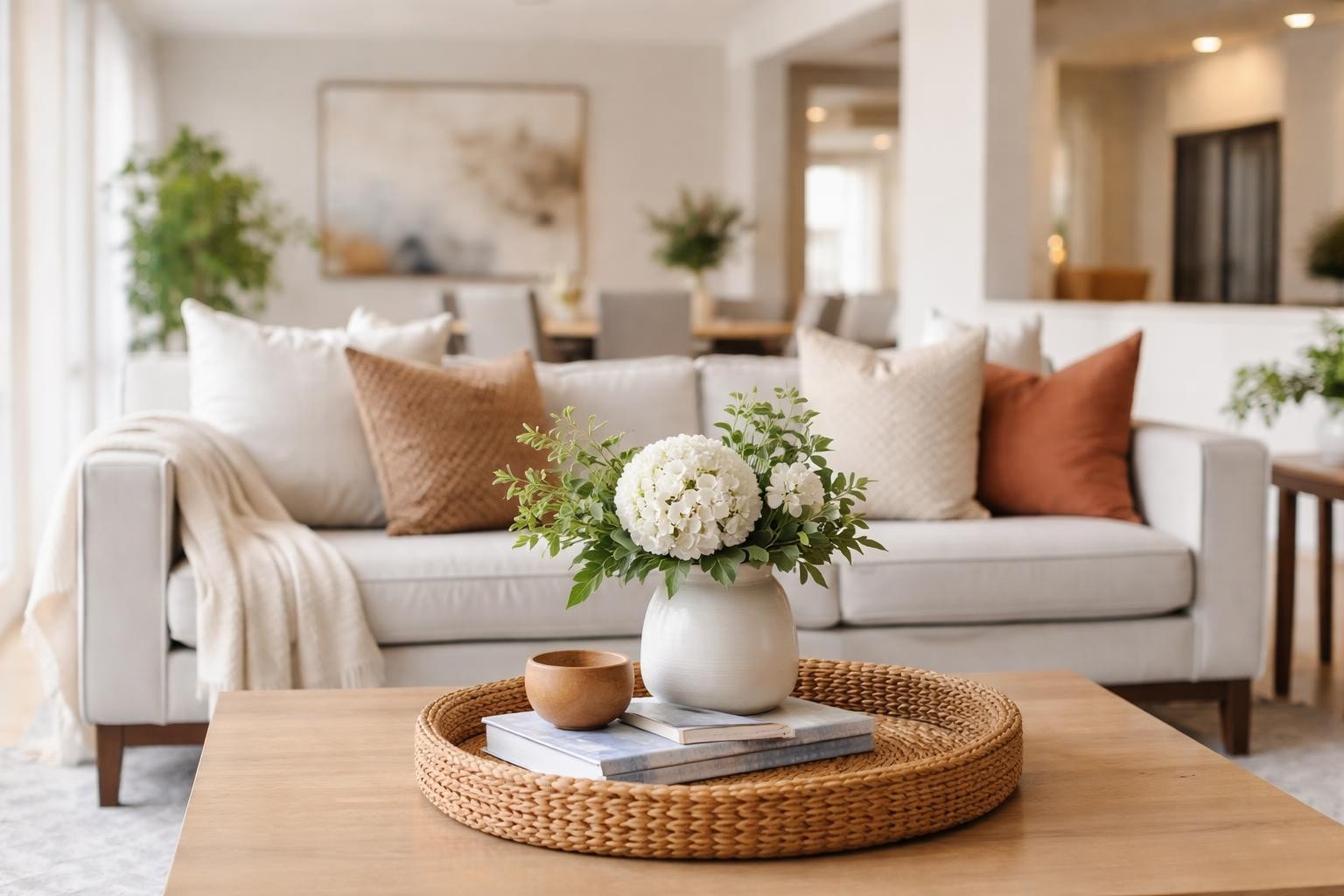

The real estate market demands more than just listing a property and hoping for the best. Today's discerning buyers expect homes to present themselves as move-in ready, aspirational spaces that speak to their lifestyle ambitions. This is where sell in style property styling becomes an essential strategy for sellers who want to maximize their return and minimize time on market. Professional property styling goes beyond simple decluttering or adding a few throw pillows. It's a comprehensive approach that transforms spaces into emotionally engaging environments designed to help potential buyers envision their future lives within those walls.
Understanding the Power of Professional Property Styling
Sell in style property styling represents a strategic investment in your home's marketability. According to recent data from the National Association of Realtors, staged homes typically sell faster and for higher prices than their unstaged counterparts. The psychology behind this is straightforward: buyers form impressions within seconds of entering a property, and those first impressions significantly influence their willingness to make competitive offers.
Professional stagers understand how to highlight architectural features, optimize furniture placement for flow, and create focal points that draw the eye to a home's best attributes. They know which neutral palettes appeal to the broadest buyer demographic while still maintaining warmth and personality. This expertise transforms ordinary rooms into magazine-worthy spaces that photograph beautifully and resonate emotionally with prospective purchasers.
The Financial Impact of Strategic Staging
The return on investment for sell in style property styling consistently proves its worth in real markets. Industry statistics indicate that staged homes can sell for 5-15% more than comparable unstaged properties, with some luxury markets seeing even greater premiums. When you consider that staging typically costs 1-3% of the listing price, the financial logic becomes compelling.
Key financial benefits include:
Reduced time on market, often by 30-50%
Higher final sale prices that exceed staging costs
Fewer price reductions during the listing period
Increased buyer competition and multiple offer scenarios
Better online presentation that drives more showings
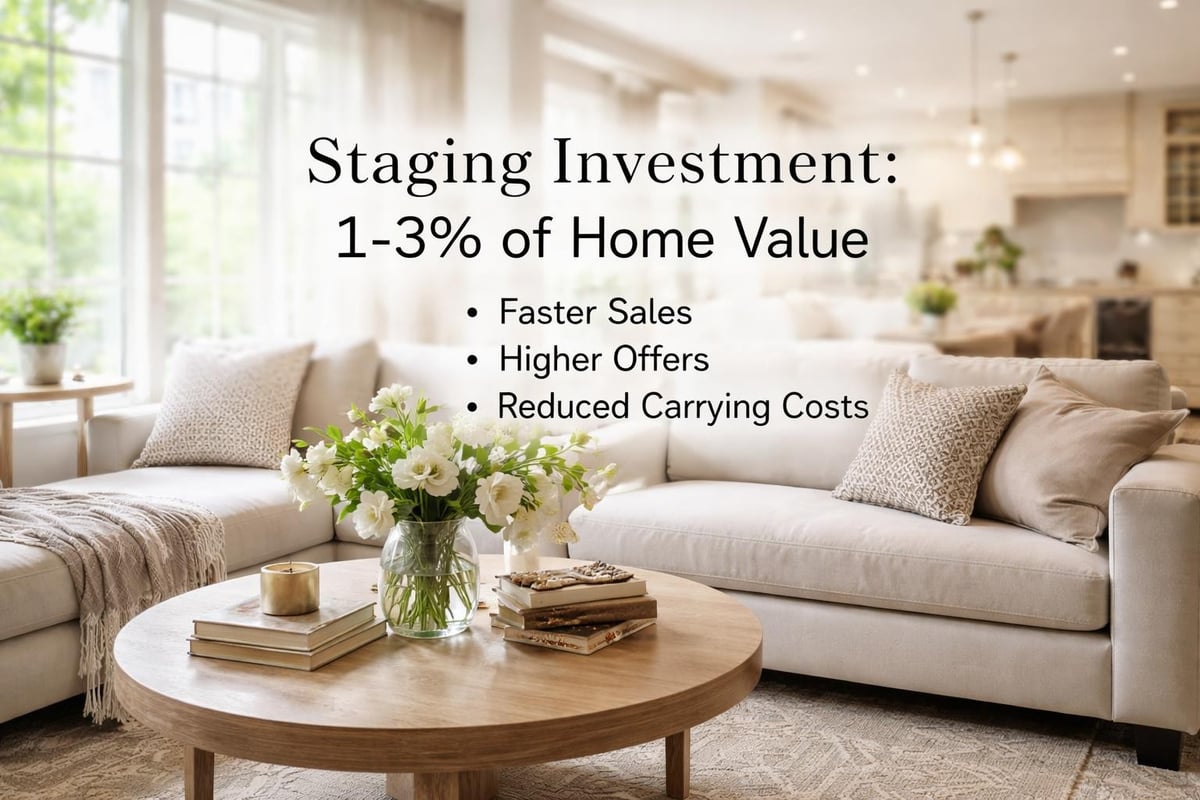
Beyond the immediate sale price, faster sales translate to reduced carrying costs including mortgage payments, utilities, insurance, and taxes. For sellers who have already purchased their next home, minimizing dual housing expenses becomes particularly valuable. The data on staging's impact shows that these combined benefits make professional styling one of the highest-return pre-sale investments available.
Core Principles of Effective Property Styling
Successful sell in style property styling follows established principles that professional stagers have refined over years of market testing. These foundational concepts guide every decision from furniture selection to accessory placement.
Depersonalization and Neutralization
The first principle involves creating a blank canvas that allows buyers to project their own vision onto the space. This means removing family photos, personal collections, and bold design choices that might alienate potential purchasers. Neutral doesn't mean boring, however. The goal is to create sophisticated, timeless interiors that appeal to the widest possible audience while maintaining visual interest through texture, layering, and carefully curated accessories.
Professional stagers achieve this balance by selecting furniture and decor that feels current but not trendy, elegant but not intimidating. They understand how to use neutral foundation pieces as a backdrop for strategic pops of color that add warmth without overwhelming the senses. The Stage Joy team specializes in this delicate balance, knowing exactly how much personality to inject into each space.
Space Optimization and Flow
Another critical aspect of sell in style property styling involves maximizing perceived space and creating logical traffic patterns. This often requires removing excess furniture, repositioning existing pieces, and sometimes bringing in smaller-scale furnishings that better suit the room's proportions. Stagers analyze how people naturally move through spaces and arrange furniture to facilitate that flow while showcasing each room's functionality.
Room Type | Common Staging Strategy | Expected Impact |
|---|---|---|
Living Room | Conversation groupings, statement lighting | Demonstrates versatility and comfort |
Kitchen | Cleared counters, staged dining area | Highlights workspace and gathering potential |
Primary Bedroom | Hotel-like luxury, minimal furnishings | Creates retreat atmosphere |
Home Office | Professional setup with personal touches | Shows work-from-home functionality |
The strategic use of space also involves defining purpose for every room. Awkward corners become reading nooks. Unused dining rooms transform into home offices that speak to remote work trends. Basements evolve into entertainment zones or fitness studios. This purposeful staging helps buyers understand how they might utilize every square foot.
Room-by-Room Styling Strategies
Different spaces within a home require distinct approaches to maximize their appeal. Understanding these nuances separates amateur attempts from professional sell in style property styling results.
Living Areas: Creating Lifestyle Moments
Living rooms and family rooms serve as the emotional heart of the home. Staging these spaces requires creating inviting conversation areas that suggest both sophistication and comfort. Professional stagers arrange furniture to establish clear focal points, whether that's a fireplace, entertainment center, or stunning view.
Essential living area elements:
Appropriately scaled seating for the room size
Layered lighting including ambient, task, and accent fixtures
Textured accessories like throw pillows and blankets
Artwork at proper heights and scales
Strategic plant placement for life and color
The portfolio examples demonstrate how these elements come together to create spaces that feel both aspirational and achievable to potential buyers.
Kitchens and Dining Spaces: Showcasing Gathering Potential
Kitchens consistently rank as one of the most important rooms for buyers, making them critical focal points for sell in style property styling. The goal is to present these spaces as both functional workspaces and social gathering areas. This means meticulously cleared countertops with perhaps one or two decorative elements, organized pantries if visible, and staged dining areas that suggest entertaining possibilities.
For homes with luxury kitchens and high-end finishes, the Luxury Home Staging package provides the elevated presentation these spaces deserve. Premium staging in these areas emphasizes quality finishes, showcases storage solutions, and creates that restaurant-quality aesthetic that appeals to serious buyers willing to pay premium prices.
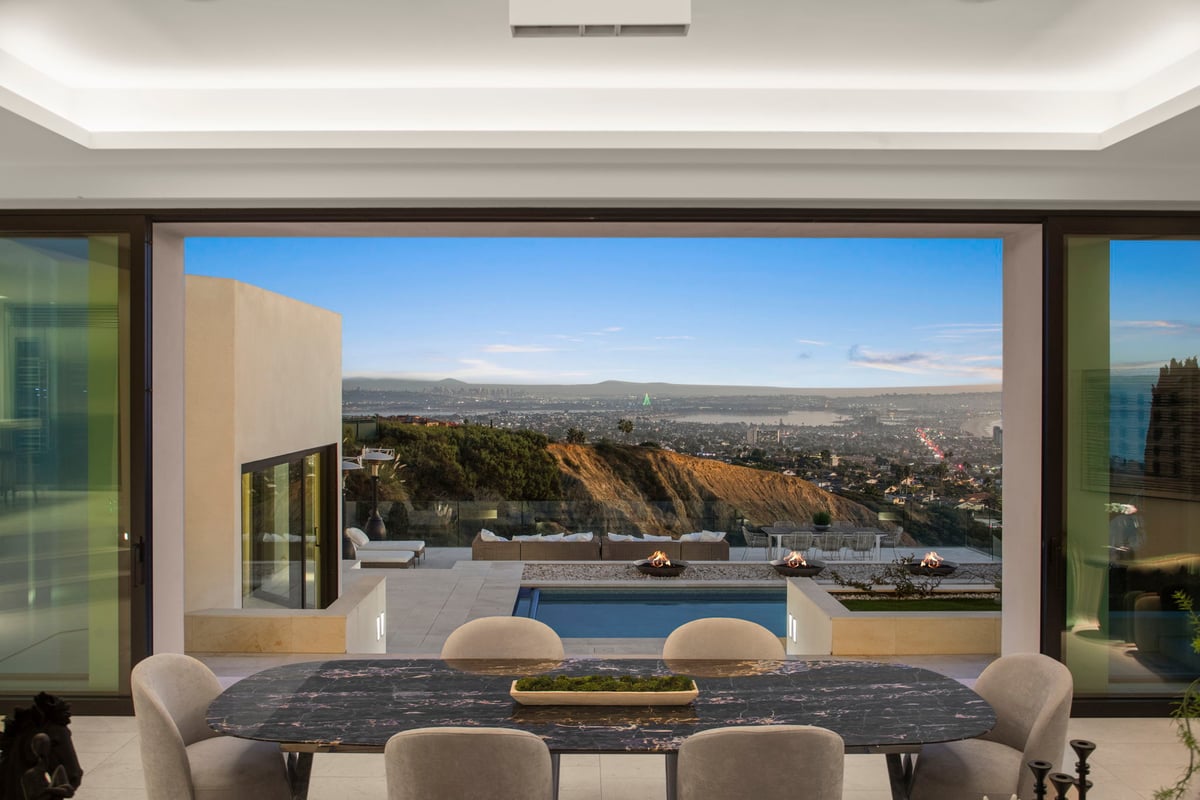
Dining rooms, whether formal or casual, benefit from styled table settings that suggest the next dinner party waiting to happen. A simple runner, centerpiece, and perhaps place settings for two create visual interest without cluttering the space. The scale of the dining table matters tremendously-oversized furniture makes rooms feel cramped while appropriately sized pieces enhance the sense of space.
Bedrooms: Establishing Sanctuary Vibes
Primary bedrooms require special attention in sell in style property styling because they represent personal retreat spaces. The staging approach here emphasizes hotel-like luxury with crisp linens, layered bedding, symmetrical nightstands, and minimal accessories. The goal is creating a serene environment that promises restful escape from daily stresses.
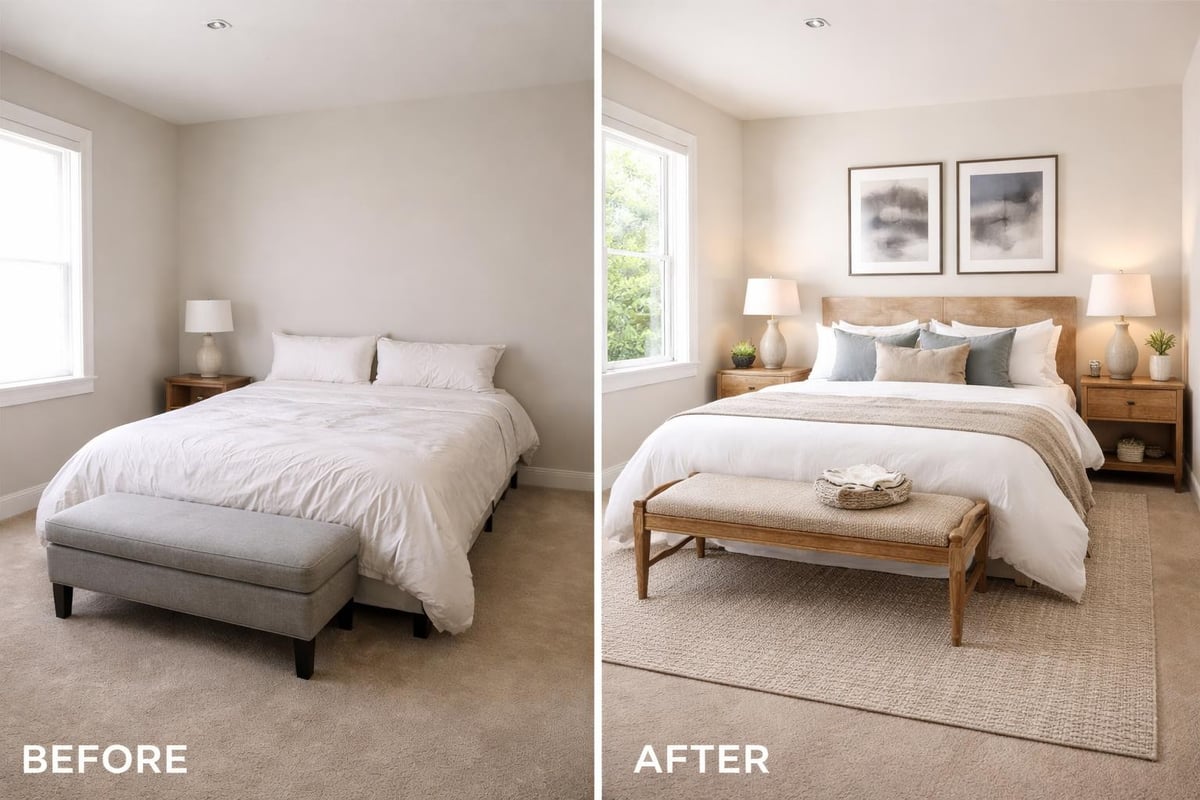
Secondary bedrooms get staged to demonstrate flexibility-one might become a guest room, another a home office, and a third a nursery or children's room. This versatility helps buyers envision how the home might accommodate their specific needs. Proper bed sizing matters here too; queen beds typically work better than kings in smaller bedrooms, maintaining walking space on both sides.
Advanced Styling Techniques for Maximum Impact
Beyond basic staging principles, professional property stylists employ sophisticated techniques that elevate presentations from good to exceptional. These advanced approaches represent the difference between adequate staging and sell in style property styling that commands premium offers.
Lighting Layering Strategies
Professional stagers understand that lighting transforms spaces more dramatically than almost any other single element. They employ multiple lighting layers including overhead fixtures, table lamps, floor lamps, and accent lighting to create depth and ambiance. Each layer serves a distinct purpose: ambient lighting provides overall illumination, task lighting facilitates activities, and accent lighting highlights architectural features or artwork.
The temperature of light bulbs also matters significantly. Warm white bulbs (2700-3000K) create inviting, cozy atmospheres perfect for living areas and bedrooms. Cooler temperatures work better in kitchanes and bathrooms where clarity matters. Ensuring all bulbs throughout the home are functioning and coordinated in color temperature presents a polished, intentional aesthetic.
Architectural Feature Enhancement
Every home possesses unique architectural elements that deserve emphasis through strategic styling. Crown molding, coffered ceilings, built-in shelving, fireplaces, and distinctive windows all become focal points when properly highlighted. Sell in style property styling draws attention to these features through furniture placement, lighting direction, and minimal accessorizing that doesn't compete for visual attention.
For example, a beautiful fireplace mantel might be styled with a single statement mirror and a pair of candlesticks rather than cluttered with numerous small objects. Built-in bookshelves get curated with books arranged by color, interspersed with decorative objects following the rule of thirds. These thoughtful touches signal quality and care to potential buyers.
Current Trends Influencing Property Styling
The world of sell in style property styling evolves continuously as design trends shift and buyer preferences change. Staying current with these movements ensures staged homes feel fresh and relevant rather than dated.
Biophilic Design Elements
The integration of natural elements has become increasingly important in property staging. Buyers in 2026 respond positively to organic textures, natural materials, and abundant plant life. This biophilic approach includes elements like:
Live plants in attractive planters throughout the home
Natural fiber textiles such as jute, linen, and cotton
Wood tones in furniture and accessories
Stone or marble accents in decorative pieces
Maximized natural light through window treatments
These elements create connections to nature that research shows reduces stress and enhances wellbeing-powerful emotional triggers for home buyers.
Work-From-Home Functionality
The sustained prevalence of remote work has permanently altered how buyers evaluate homes. Successful sell in style property styling now includes dedicated workspace staging, whether that's a formal office, a kitchen desk area, or a creatively converted closet. These spaces get styled to appear both professional for video calls and comfortable for extended work sessions.
The staging should include a desk with appropriate task lighting, an ergonomic chair, organizational elements like file boxes or desktop organizers, and perhaps a few personal touches like a small plant or inspiring artwork. This demonstrates the home's adaptability to modern lifestyle needs.
Sustainable and Vintage Integration
Conscious consumption trends have influenced staging approaches, with many buyers appreciating the story behind vintage or sustainable pieces. Understanding what makes spaces feel elevated rather than cheap often involves incorporating quality vintage finds alongside new pieces, creating layered, collected looks that feel authentic rather than staged.
This doesn't mean shabby or worn items-vintage pieces should be in excellent condition and work cohesively with the overall design scheme. A mid-century credenza, antique mirror, or vintage rug can add character and perceived value that appeals to design-conscious buyers.
Avoiding Common Property Styling Mistakes
Even well-intentioned staging efforts can backfire when certain mistakes occur. Understanding these pitfalls helps ensure your sell in style property styling achieves desired results.
Over-Personalization and Theme Overload
One frequent error involves creating spaces so highly themed or personalized that buyers struggle to envision their own lives there. Beach themes with shells and nautical elements everywhere, or ultra-modern minimalism that feels sterile rather than inviting, can alienate significant buyer segments. The most successful staging maintains broad appeal through balanced, transitional design approaches.
Similarly, over-accessorizing creates visual clutter that distracts from architectural features and spatial flow. Professional stagers follow the "less is more" principle, carefully editing accessories to include only items that serve clear purposes: adding height, introducing color, creating balance, or establishing scale.
Incorrect Furniture Scaling
Perhaps nothing makes spaces feel more awkward than improperly scaled furniture. Oversized sectionals that overwhelm living rooms, dining tables too large for their spaces, or bedroom furniture that blocks walking paths all diminish a home's perceived value. Sell in style property styling requires careful attention to proportion, often necessitating furniture rentals in sizes specifically chosen for each space.
Proper furniture scaling guidelines:
Maintain 30-36 inches of walking space around furniture
Select sofas that are proportional to room length (typically 2/3 to 3/4 wall length)
Choose coffee tables that are 2/3 the sofa length
Ensure rugs extend beyond furniture groupings
Leave adequate clearance around beds
Neglecting Curb Appeal
Even the most beautifully staged interior loses impact when exterior presentation disappoints. First impressions begin the moment potential buyers pull up to the property, making curb appeal an essential component of comprehensive property styling. This includes fresh mulch in beds, trimmed shrubs, a welcoming front door area, clean walkways, and perhaps seasonal planters.
The exterior presentation sets expectations for what buyers will find inside. A neglected exterior suggests deferred maintenance and creates doubt about the home's overall condition, while a polished exterior primes buyers to expect quality throughout.
Selecting the Right Staging Partner
Choosing a professional staging company represents a significant decision in your selling journey. The right partner brings expertise, resources, and market knowledge that transforms your property into a competitive listing.
Experience and Portfolio Evaluation
When evaluating staging companies for your sell in style property styling needs, request portfolios showcasing previous work. Look for versatility across different property types, price points, and architectural styles. Strong staging companies demonstrate ability to adapt their approach rather than applying cookie-cutter formulas to every project.
Examine before-and-after photos to assess transformation capabilities. The most impressive portfolios show dramatic improvements that highlight professionals' abilities to overcome challenging spaces, awkward layouts, or dated finishes through strategic styling choices.
Understanding Service Offerings
Different properties require different staging approaches. Some situations call for full-service staging with rental furniture and accessories throughout the home. Others might need consultation services guiding homeowners on working with existing furnishings. Still others require targeted staging of key rooms that drive buyer decisions.
Quality staging companies offer flexible packages accommodating various budgets and needs. For San Diego properties, Stage Joy's services demonstrate this versatility, providing customized solutions from consultation to full luxury staging depending on each property's specific requirements and seller goals.
Budget Considerations and ROI Focus
While staging represents an investment, it shouldn't break the bank. Professional companies offer transparent pricing and help sellers understand expected returns. Discuss budget parameters upfront and work with stagers who respect those boundaries while maximizing impact within available resources.
Remember that staging costs typically pale compared to price reductions forced by properties sitting unsold. A $3,000 staging investment that enables a $20,000 higher sale price or saves three months of carrying costs represents exceptional value. Frame staging as insurance against lost opportunity rather than an optional expense.
Measuring Staging Success
Understanding whether your sell in style property styling efforts are working requires tracking specific metrics and gathering feedback from showings and open houses.
Quantitative Performance Indicators
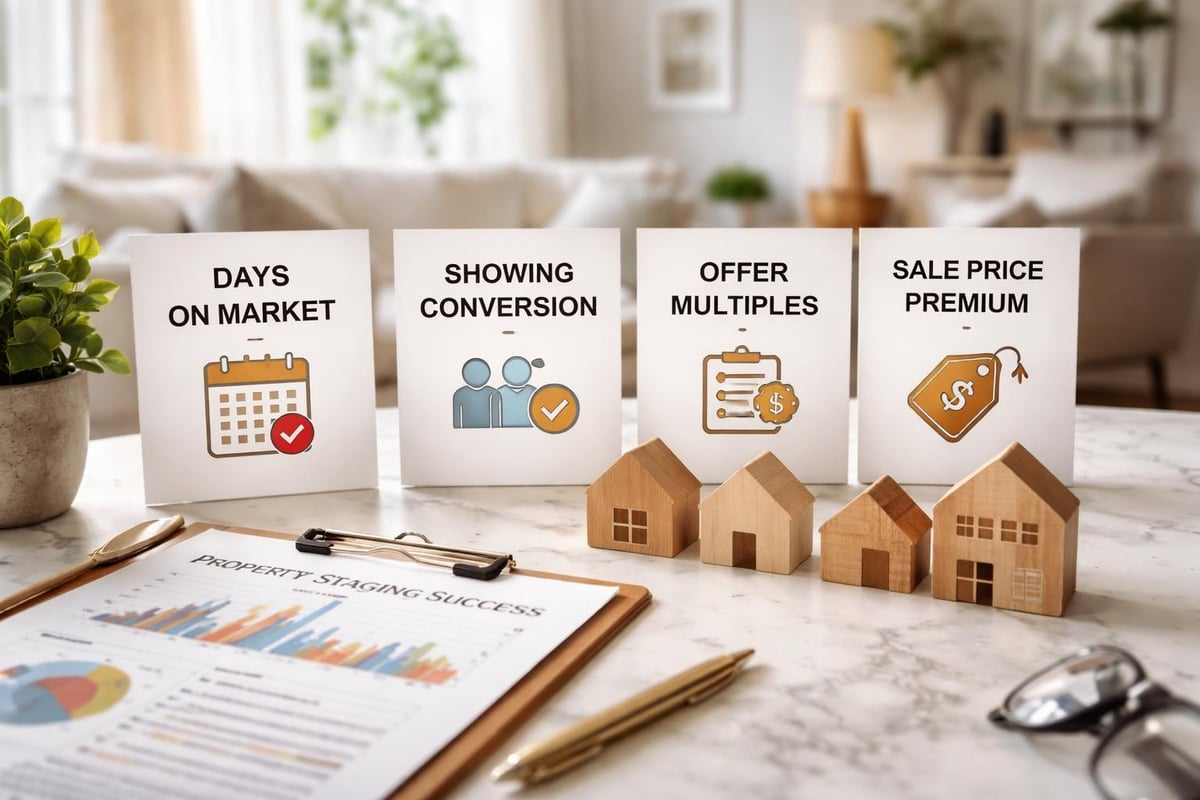
Several objective measures indicate staging effectiveness:
Number of showings scheduled - Staged homes typically generate more showing requests
Days on market - Compare to similar unstaged properties in your area
Offer quantity and quality - Multiple offers suggest strong buyer response
Final sale price versus asking - Staged homes often sell at or above list price
Online engagement metrics - Listing views, saves, and shares indicate interest
Current industry statistics provide benchmarks for comparing your results against market norms. Properties that significantly outperform these averages validate staging investment decisions.
Qualitative Buyer Feedback
Beyond numbers, pay attention to comments from buyers and their agents following showings. Feedback like "move-in ready," "beautifully presented," or "exactly what we're looking for" suggests successful styling. Conversely, concerns about space, layout, or condition might indicate staging gaps needing attention.
Real estate agents conducting open houses can gather valuable insights about which rooms generate the most excitement and which might need adjustments. This real-time feedback allows for mid-campaign refinements that optimize results.
The Role of Photography in Staged Properties
Even perfectly executed sell in style property styling falls short without professional photography capturing that presentation for online listings. In today's market, where most buyers begin their search online, listing photos serve as the critical first impression.
Preparing Staged Homes for Photography
Professional photographers need specific conditions to capture staged homes at their best. This includes:
Optimal natural lighting, typically mid-morning or late afternoon
All staged elements in place with final styling tweaks
Perfectly clean windows, mirrors, and reflective surfaces
All lights turned on throughout the home
Temperature-controlled environments preventing lens fog
Coordinate closely between your staging team and photographer to ensure the shoot captures the investment you've made in presentation. Many staging companies include photography coordination as part of their services, ensuring seamless collaboration.
Maximizing Digital Appeal
Listing photos should showcase each staged room from its most flattering angles, highlighting the flow from space to space. Wide-angle shots capture entire rooms while detail shots emphasize special features or styling vignettes. The photo sequence should tell a story, guiding viewers through the home as they would experience it during an in-person showing.
Virtual staging has emerged as a budget-friendly alternative for vacant properties, though physical staging typically yields better results. Understanding when professional stagers add value helps sellers make informed decisions about which approach best suits their situation and budget.
Seasonal Considerations in Property Styling
The time of year influences sell in style property styling approaches, as buyer expectations and preferences shift with seasons.
Spring and Summer Staging
Warmer months allow for incorporation of lighter fabrics, brighter colors, and outdoor space staging. Patios, decks, and gardens become extensions of the living space, styled with outdoor furniture, planters, and entertaining accessories. Indoor spaces might feature lighter linens, fresh flowers, and open window treatments that showcase natural light.
These seasons typically represent peak selling periods, meaning competition intensifies. Homes must present exceptionally well to stand out among numerous listings. Fresh, bright staging that celebrates the season helps properties capture attention.
Fall and Winter Approaches
Cooler months call for cozier presentations with layered textiles, richer tones, and emphasis on warmth. Think chunky throw blankets, plush pillows, and perhaps a styled fireplace with logs or candles. These elements create the hygge-inspired comfort that resonates with buyers during colder periods.
Holiday seasons require careful navigation. Minimal, tasteful seasonal decor can add warmth without overwhelming spaces or alienating buyers of different backgrounds. Most professional stagers recommend subtle approaches-perhaps a simple wreath or evergreen arrangement-rather than full holiday decorating.
Long-Term Market Positioning Through Styling
Beyond immediate sale facilitation, sell in style property styling contributes to broader market positioning and community property values. When multiple homes in a neighborhood present professionally, the entire area's perceived desirability increases.
Competitive Differentiation
In markets with substantial inventory, staging provides crucial differentiation. When buyers tour multiple properties in a day, the staged home stands out as the one they remember. It photographs better in listing materials, shows better during walkthroughs, and lingers in buyers' minds during decision-making.
This differentiation becomes particularly valuable in competitive price points where multiple similar properties vie for the same buyer pool. The staged home consistently rises to the top of buyers' preference lists.
Setting New Market Standards
As more sellers recognize staging's value, it increasingly becomes expected rather than exceptional. Properties that skip this step risk appearing neglected or undervalued by comparison. Forward-thinking sellers understand that professional presentation now represents baseline preparation rather than optional enhancement.
This shift benefits the entire real estate ecosystem, raising standards and creating better experiences for buyers navigating the market. Communities with well-presented properties attract more qualified buyers and support stronger overall property values.
Professional property styling represents one of the most effective strategies for maximizing home sale outcomes, combining proven design principles with deep market knowledge to create presentations that resonate with today's buyers. By investing in expert staging that highlights your property's best features while creating emotionally engaging spaces, you position your home to sell faster and for higher prices than unstaged alternatives. Stage Joy brings extensive staging expertise and customized solutions to San Diego sellers, transforming properties into market-ready showcases that appeal to qualified buyers and drive competitive offers.