
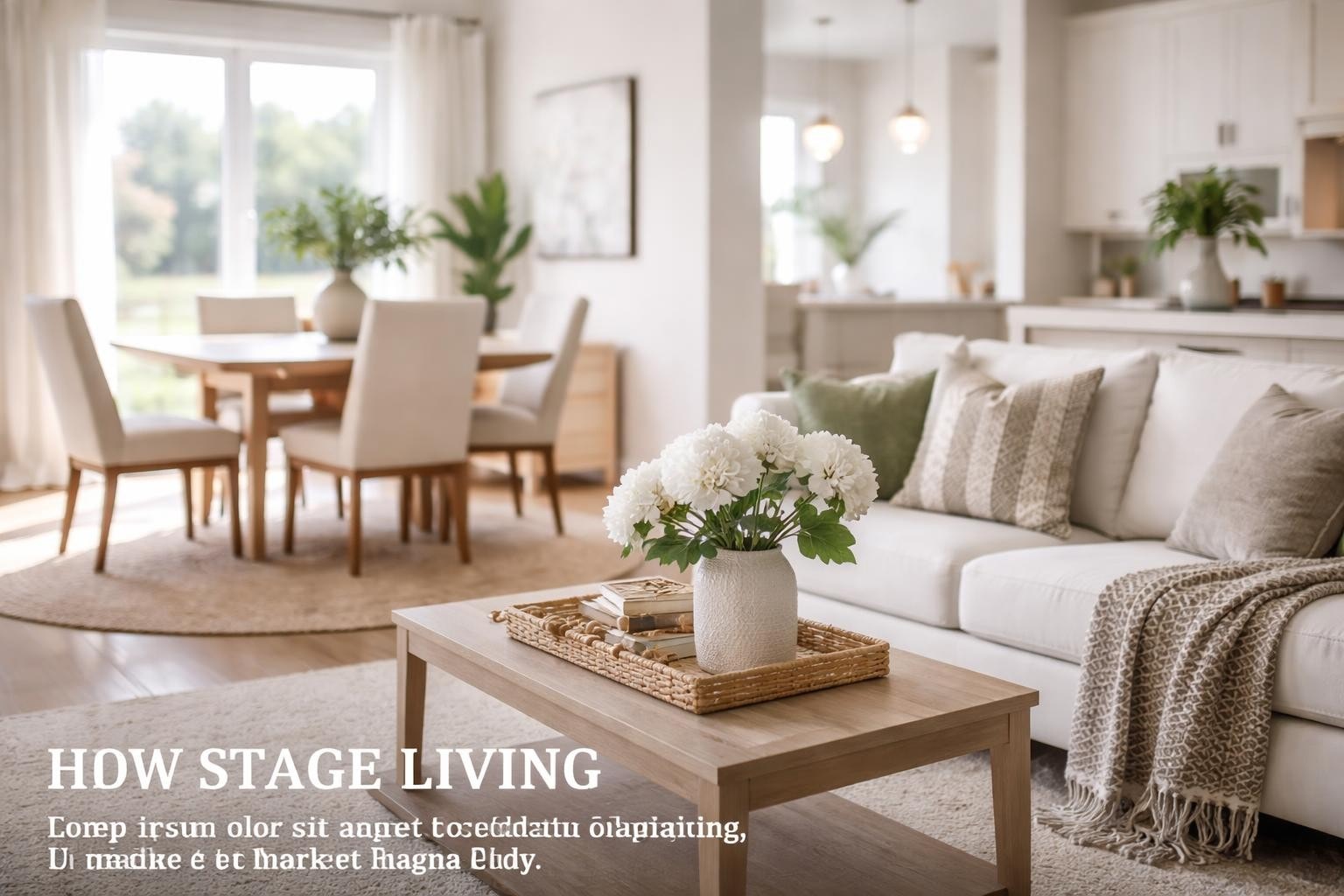

The concept of stage living represents a strategic approach to preparing properties for sale by creating environments that resonate with potential buyers on an emotional level. This methodology goes beyond simple decoration, focusing instead on crafting lifestyles that prospective homeowners can immediately envision themselves inhabiting. By thoughtfully curating furniture, décor, and spatial arrangements, stage living transforms vacant or lived-in properties into aspirational spaces that command attention in competitive real estate markets. According to the National Association of Realtors, staged homes often sell faster and at higher prices, with significant value increases reported across various price points.
Understanding the Stage Living Philosophy
Stage living differs fundamentally from traditional interior design because it serves a specific commercial purpose rather than personal preference. The goal centers on universal appeal, creating neutral yet inviting environments that allow the broadest range of buyers to project their own lives into the space.
This approach requires understanding demographic trends, local market preferences, and psychological triggers that influence purchasing decisions. Stage living professionals analyze each property's architectural strengths and weaknesses, then develop strategies to emphasize positive attributes while minimizing less desirable features.
The Psychology Behind Effective Stage Living
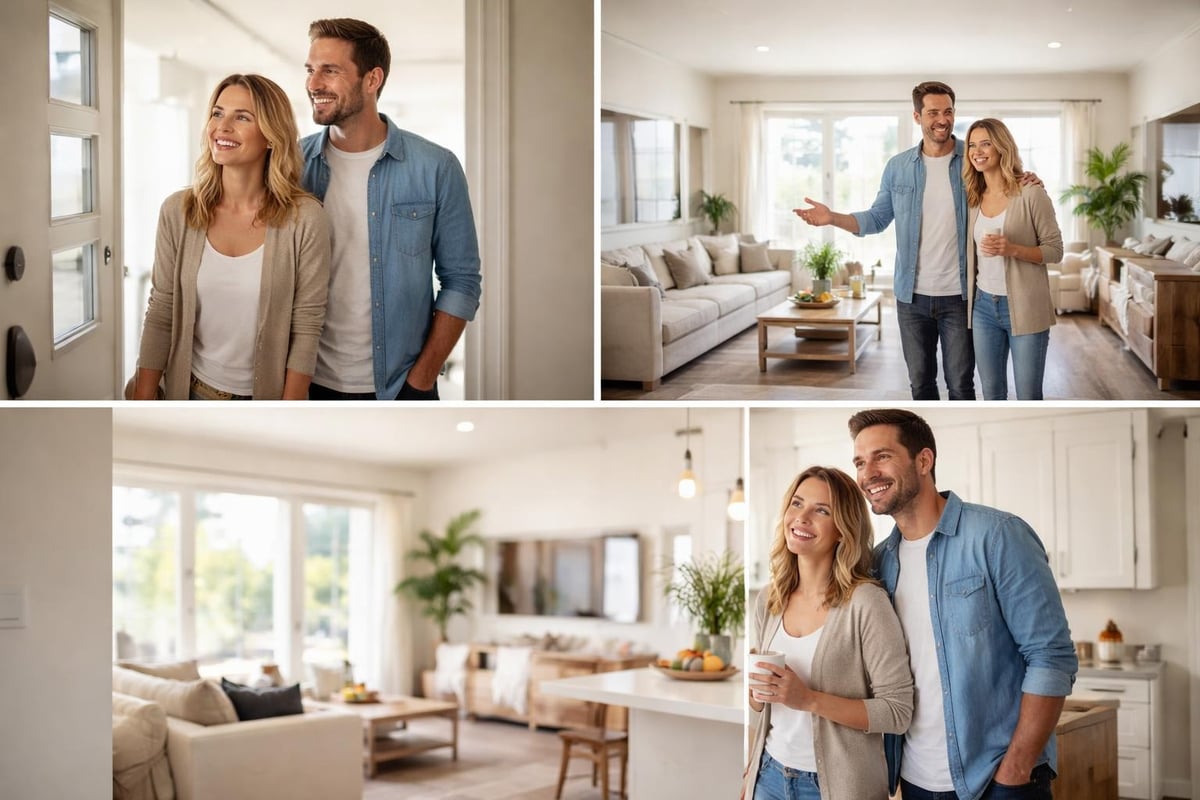
Buyers make emotional connections with properties within seconds of entering. Stage living leverages this reality by creating immediate positive impressions through carefully orchestrated visual narratives.
Key psychological principles include:
Spatial perception: Proper furniture scaling helps rooms appear larger and more functional
Color psychology: Neutral palettes with strategic accent colors create calm, welcoming environments
Lifestyle aspiration: Curated vignettes suggest the desirable life buyers could lead in the space
Sensory engagement: Thoughtful details engage multiple senses beyond just visual appeal
Research shows that 83% of buyers' agents report staging makes it easier for buyers to visualize properties as their future homes, demonstrating the tangible impact of this psychological approach.
Essential Elements of Stage Living Success
Implementing stage living effectively requires attention to multiple interconnected components that together create cohesive, market-ready presentations.
Furniture Selection and Placement
Choosing appropriate furniture represents one of the most critical decisions in stage living. Pieces must balance style, scale, and functionality while remaining neutral enough to appeal broadly.
Consideration | Impact | Best Practice |
|---|---|---|
Scale | Room perception | Use appropriately sized pieces that define spaces without overwhelming |
Style | Market alignment | Select contemporary-classic pieces that appeal across generations |
Arrangement | Traffic flow | Create natural pathways that guide movement through spaces |
Functionality | Lifestyle demonstration | Show how spaces serve practical daily needs |
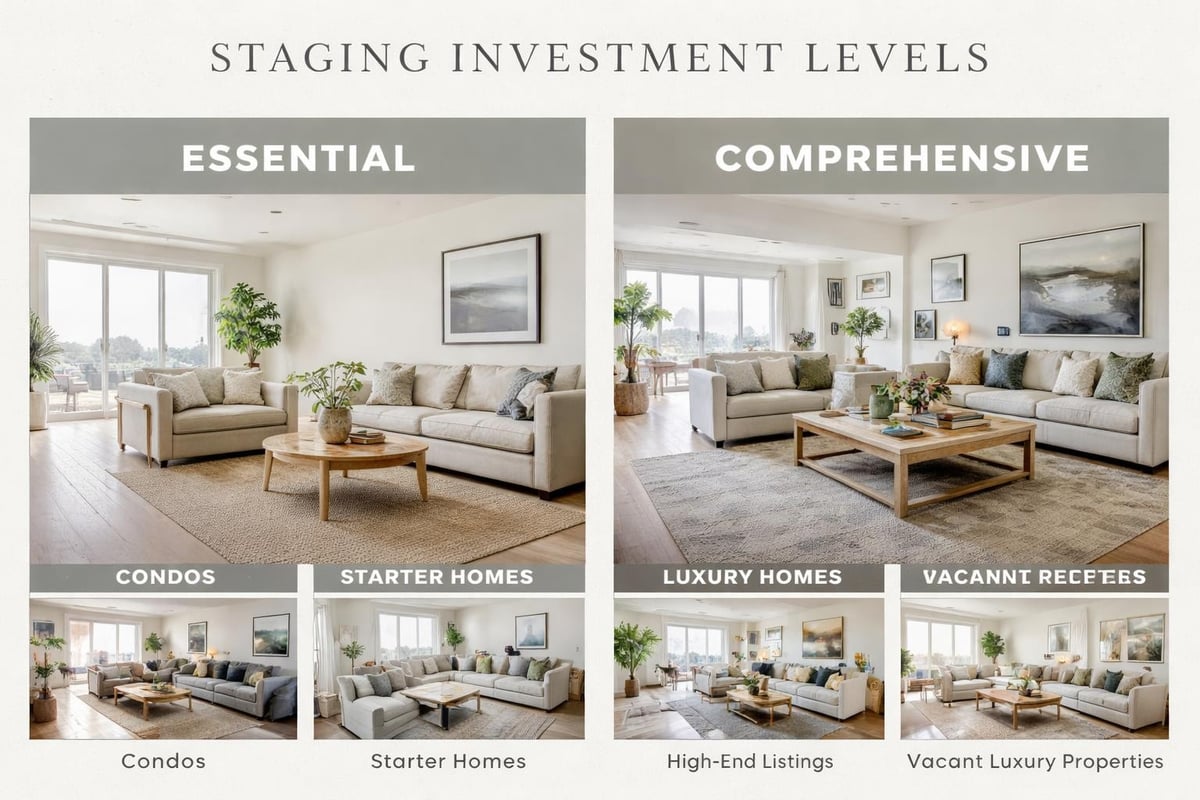
Professional stage living practitioners maintain inventories of versatile furniture that adapts to different property types and buyer demographics. The comprehensive staging approach involves selecting pieces that highlight a home's best features while maintaining coherence throughout the property.
Color Schemes and Textural Layers
Stage living color palettes typically feature neutral foundations with carefully chosen accent colors that add visual interest without polarizing potential buyers.
Effective color strategies include:
Base neutrals: Whites, grays, beiges, and taupes create clean canvases
Accent introduction: Subtle blues, greens, or warm earth tones add personality
Textural variety: Different fabrics, finishes, and materials create depth
Lighting consideration: Colors that work well under both natural and artificial light
The layering of textures through throws, pillows, rugs, and window treatments adds sophistication to stage living environments without introducing controversial color choices.
Room-Specific Stage Living Strategies
Different spaces within properties require tailored approaches to maximize their appeal and demonstrate functionality to potential buyers.
Living Areas and Primary Gathering Spaces
Living rooms serve as emotional anchors in stage living presentations. These spaces must convey warmth, comfort, and the possibility of creating memories.
Successful living area staging includes comfortable seating arrangements that encourage conversation, appropriate-scale coffee tables, layered lighting from multiple sources, and curated accessories that suggest lifestyle without cluttering surfaces. The arrangement should define the space's purpose while maintaining open, inviting sight lines.
For properties targeting upscale buyers, Luxury Home Staging incorporates premium furniture and sophisticated styling that elevates perceived value and creates memorable first impressions that translate into stronger offers.
Kitchen and Dining Spaces
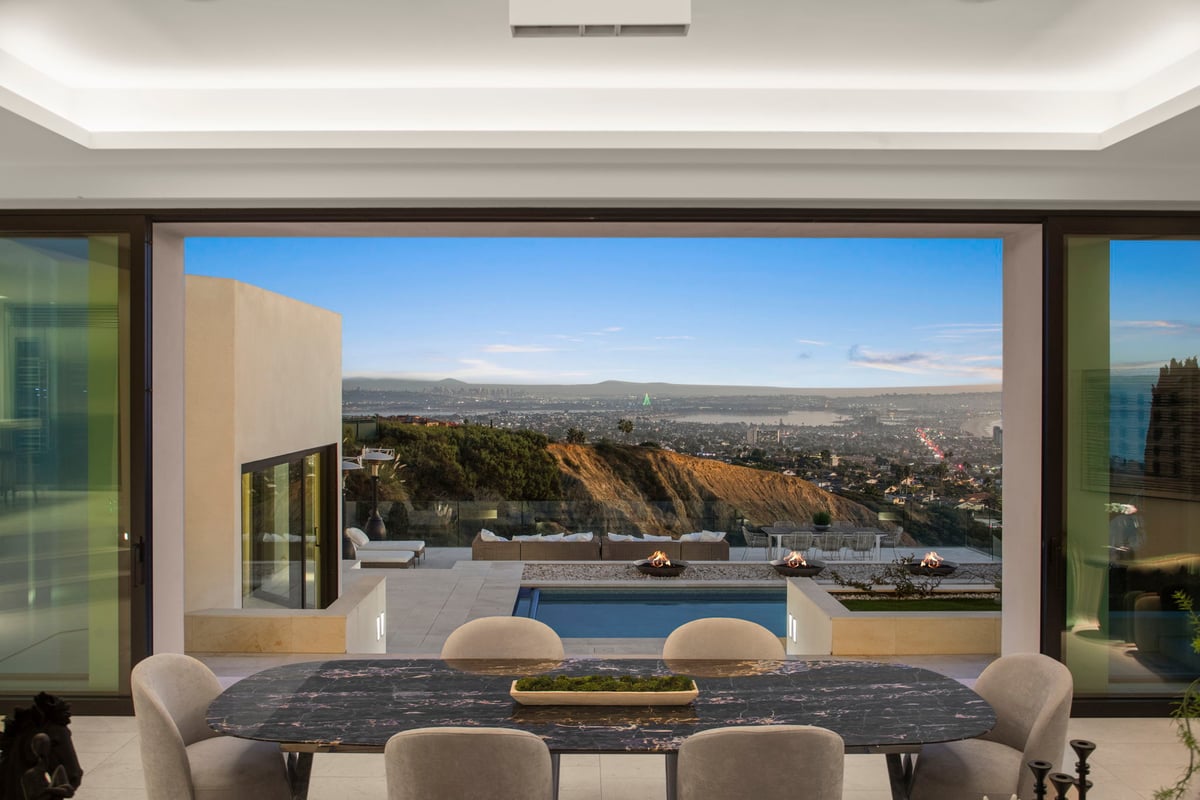
Kitchens rank among the most influential rooms in purchase decisions. Stage living approaches to kitchens emphasize cleanliness, functionality, and the social aspects of meal preparation and dining.
Clear countertops with minimal, purposeful accessories demonstrate workspace while a bowl of fresh fruit or strategically placed cookbooks suggest an active, enjoyable cooking lifestyle. Dining areas should showcase table settings that imply gathering and celebration without appearing overly formal or uninviting.
Bedrooms and Private Retreats
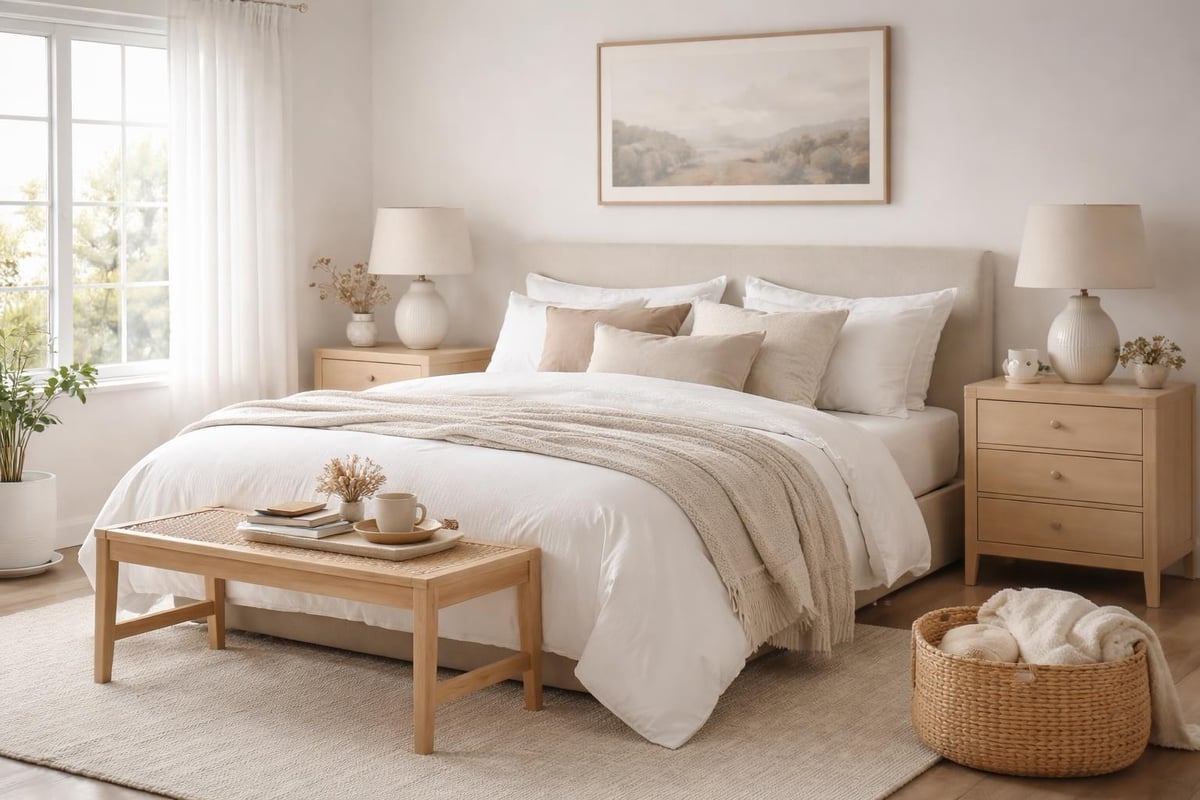
Bedrooms in stage living environments must communicate restfulness and personal sanctuary. Primary suites receive particular attention as they represent daily retreat spaces for homeowners.
Essential bedroom staging elements:
Luxurious bedding in neutral tones with textural interest
Symmetrical nightstand arrangements creating visual balance
Minimal personal items to maintain universal appeal
Soft lighting that creates ambiance
Strategic use of mirrors to enhance space perception
Secondary bedrooms should demonstrate versatility, potentially showcasing home office, guest room, or hobby space functionality depending on target demographics.
Stage Living Implementation Process
Executing effective stage living requires systematic approaches that address properties comprehensively while remaining budget conscious.
Initial Property Assessment
The stage living process begins with thorough property evaluation. Professionals examine architectural features, existing conditions, target buyer profiles, competitive properties, and budget parameters.
This assessment informs all subsequent decisions, ensuring resources focus on highest-impact areas. Properties in different price ranges require different staging intensities, from minimal furniture placement to comprehensive transformations.
Preparation and Pre-Staging Work
Before furniture and accessories arrive, properties require preparation that maximizes staging impact. Deep cleaning represents the foundation, followed by minor repairs, fresh neutral paint, landscaping attention, and decluttering of all personal items.
According to best practices from industry experts, these preparatory steps significantly enhance staging effectiveness by providing clean canvases for transformation.
Staging Execution and Refinement
The physical staging process involves furniture delivery and placement, accessory styling, lighting optimization, and final adjustments based on photography requirements.
Stage | Timeline | Key Activities |
|---|---|---|
Preparation | 1-3 days | Cleaning, repairs, painting |
Furniture placement | 1 day | Major pieces positioned, rooms defined |
Styling | 4-8 hours | Accessories, artwork, finishing touches |
Photography prep | 1-2 hours | Final adjustments for optimal images |
Professional stage living practitioners work efficiently to minimize disruption while achieving maximum visual impact that translates effectively to listing photographs and buyer tours.
Measuring Stage Living Return on Investment
Quantifying stage living effectiveness helps property sellers and real estate professionals make informed investment decisions about staging services.
Financial Impact Metrics
Multiple studies demonstrate concrete financial benefits from professional staging. Properties typically sell faster, reducing carrying costs like mortgages, utilities, and property taxes. Additionally, staged homes often command higher sale prices, with some agents noting value increases of 1% to 10%.
Average ROI considerations:
Staging costs: 0.5% to 2% of asking price
Time reduction: 30% to 50% fewer days on market
Price premium: 1% to 10% above comparable unstaged properties
Competitive advantage: Enhanced positioning against similar listings
For a property listed at $800,000, a 3% price increase would yield $24,000 in additional proceeds, far exceeding typical staging investments while also reducing holding costs through faster sales.
Market Positioning Benefits
Beyond direct financial returns, stage living provides strategic advantages in competitive markets. Professionally staged properties generate more showing requests, receive stronger initial offers, and create positive momentum that can lead to multiple-bid situations.
The visual appeal of staged properties also enhances marketing materials, making listings stand out in online searches where most buyer journeys begin. High-quality photographs of well-staged spaces generate significantly more engagement than images of empty or poorly presented properties.
Stage Living Trends Shaping 2026 Markets
The stage living industry continues evolving as buyer preferences shift and new design influences emerge.
Contemporary Minimalism with Warmth
Current stage living trends balance clean, uncluttered aesthetics with warmth that prevents spaces from feeling sterile or unwelcoming. This approach incorporates organic materials, subtle textures, and carefully curated accessories that add personality without overwhelming.
Natural wood tones, stone elements, and plant life bring organic warmth to contemporary spaces. The key lies in restraint, selecting fewer but more impactful pieces rather than filling spaces completely.
Sustainable and Eco-Conscious Staging
Environmentally conscious buyers increasingly value sustainable practices, influencing stage living approaches. This includes furniture made from reclaimed or sustainably sourced materials, energy-efficient lighting, and accessories that suggest eco-friendly lifestyles.
Properties showcasing solar panels, smart home technology, or energy-efficient appliances benefit from staging that emphasizes these features as valuable selling points rather than technical specifications.
Multi-Functional Space Demonstration
Post-pandemic work patterns continue influencing how buyers evaluate homes. Stage living now commonly demonstrates spaces serving multiple purposes, such as guest rooms doubling as home offices or dining areas accommodating remote work.
Popular multi-functional staging scenarios:
Bedroom with desk area showcasing work-from-home capability
Living room corner configured as reading nook or study space
Bonus rooms demonstrating flexibility for various lifestyle needs
Outdoor areas staged for both relaxation and entertainment
These demonstrations help buyers visualize how properties adapt to their specific lifestyle requirements, particularly important as remote and hybrid work arrangements remain prevalent.
Common Stage Living Mistakes to Avoid
Even well-intentioned staging efforts can diminish property appeal when common pitfalls aren't addressed.
Over-Personalization and Niche Styling
While personality adds interest, excessive personalization limits buyer imagination. Stage living should avoid bold color schemes that appeal to narrow demographics, overtly themed rooms that suggest specific uses, personal photographs or memorabilia, and religious or political imagery.
The goal remains creating spaces broad audiences can envision as their own, which requires restraint in personal expression.
Improper Scale and Proportion
Furniture that doesn't match room dimensions creates negative perceptions. Oversized pieces make spaces feel cramped and small, while undersized furniture suggests rooms lack functionality. Poor traffic flow impedes natural movement, and unbalanced arrangements create visual discomfort.
Professional stage living practitioners carefully measure spaces and select appropriately scaled pieces that optimize perceived room size and functionality.
Neglecting Curb Appeal and Entry Experiences
Stage living extends beyond interior spaces. Properties with poor curb appeal discourage buyers before they enter, while cluttered or uninviting entryways create negative first impressions that subsequent rooms must overcome.
Essential exterior staging elements:
Well-maintained landscaping and lawn care
Fresh, neutral entry door paint or stain
Clean walkways free from debris or weeds
Appropriate outdoor lighting for evening showings
Welcoming entry vignette with plants or seasonal décor
The resources at Roomstage offer comprehensive guidance on preparing properties holistically, including often-overlooked exterior elements that significantly impact buyer perception.
Technology Integration in Modern Stage Living
Digital tools increasingly support stage living processes, from planning through marketing.
Virtual Staging Considerations
Virtual staging presents cost-effective alternatives for certain properties, particularly vacant ones with strong bones but limited budgets. However, this approach requires careful implementation to avoid misleading buyers.
Virtual staging works best when clearly disclosed to viewers, used for initial online attraction before in-person visits, applied to well-photographed, clean spaces, and supplemented with some physical staging for key areas.
Pure virtual approaches risk disappointing buyers who visit expecting fully furnished homes, potentially undermining trust and interest.
3D Visualization and Tour Technology
Three-dimensional property tours have become standard marketing tools, making stage living even more critical. These technologies capture spaces comprehensively, meaning every angle and detail receives scrutiny from remote buyers.
Stage living for properties receiving 3D tour treatment requires particular attention to consistency throughout spaces, visual appeal from multiple angles, cohesive design flowing between rooms, and careful placement of accessories that photograph well from various perspectives.
The portfolio of completed projects demonstrates how professional staging translates effectively to digital marketing materials while maintaining impact during in-person showings.
Budget-Conscious Stage Living Approaches
Effective staging doesn't always require substantial investment. Strategic approaches maximize impact while controlling costs.
Prioritizing High-Impact Spaces
When budgets limit comprehensive staging, focusing resources on spaces with greatest buyer influence optimizes returns. Primary living areas, kitchens, primary bedrooms, and entryways typically receive priority.
Secondary bedrooms might receive minimal staging or remain empty, particularly in larger homes where complete furnishing becomes cost-prohibitive. The key involves creating strong impressions in critical spaces while maintaining cleanliness and good condition throughout.
Rental Furniture and Flexible Staging Packages
Professional staging companies offer various service levels accommodating different budgets and property types. Furniture rental arrangements typically prove more cost-effective than purchasing, with flexible terms matching expected market times.
Common staging package structures:
Package Level | Spaces Included | Typical Investment | Best For |
|---|---|---|---|
Essential | Living room, primary bedroom | $2,000-$4,000 | Smaller properties, tight budgets |
Standard | Living, dining, primary + 1 bedroom | $4,000-$7,000 | Average homes, moderate markets |
Premium | All main spaces, multiple bedrooms | $7,000-$12,000+ | Luxury properties, competitive markets |
These packages make professional stage living accessible across price points while delivering measurable returns that justify the investment.
Regional and Cultural Stage Living Considerations
Effective staging acknowledges geographic and cultural variations in buyer preferences and expectations.
Climate-Responsive Staging
Properties in different climates benefit from staging that acknowledges regional lifestyles. San Diego properties, for example, should emphasize indoor-outdoor living connections, year-round usability of outdoor spaces, and light, airy aesthetics that complement the Mediterranean climate.
Conversely, properties in colder regions might emphasize cozy fireplaces, warm textiles, and separation between indoor and outdoor environments. Understanding these regional nuances ensures stage living resonates with local buyer expectations.
Architectural Style Alignment
Stage living should complement rather than contradict a property's architectural character. Mid-century modern homes benefit from period-appropriate or contemporary minimalist staging, while traditional homes require classical furniture selections that honor their heritage.
Mixing styles can work when done expertly, but generally, cohesion between architecture and staging creates more authentic, appealing presentations that buyers find credible and attractive.
Stage living represents a proven strategy for enhancing property marketability, reducing time on market, and maximizing sale prices through thoughtful presentation that connects emotionally with potential buyers. By understanding psychological principles, implementing room-specific strategies, and avoiding common pitfalls, property sellers position their homes advantageously in competitive markets. Whether you're preparing a modest starter home or a luxury estate, Stage Joy brings extensive experience and customized solutions to transform your property into a market-ready showpiece that attracts serious buyers and drives successful sales.