

When preparing a property for the competitive real estate market, few strategies deliver results as consistently as professional staging. Homes that are properly staged to sell command higher prices, attract more qualified buyers, and spend significantly less time on the market. For sellers in San Diego and beyond, understanding the science and art behind effective staging can mean the difference between a property that languishes and one that generates multiple offers within days of listing.
The Financial Impact of Strategic Staging
The numbers surrounding professional staging speak volumes about its effectiveness. According to the National Association of Realtors' latest staging profile, buyers are willing to pay substantially more for homes that present well. Properties staged to sell typically see a return on investment that far exceeds the initial staging costs.
Quantifiable Benefits for Sellers
Research consistently demonstrates that staged homes sell faster and for more money. The data reveals several compelling statistics:
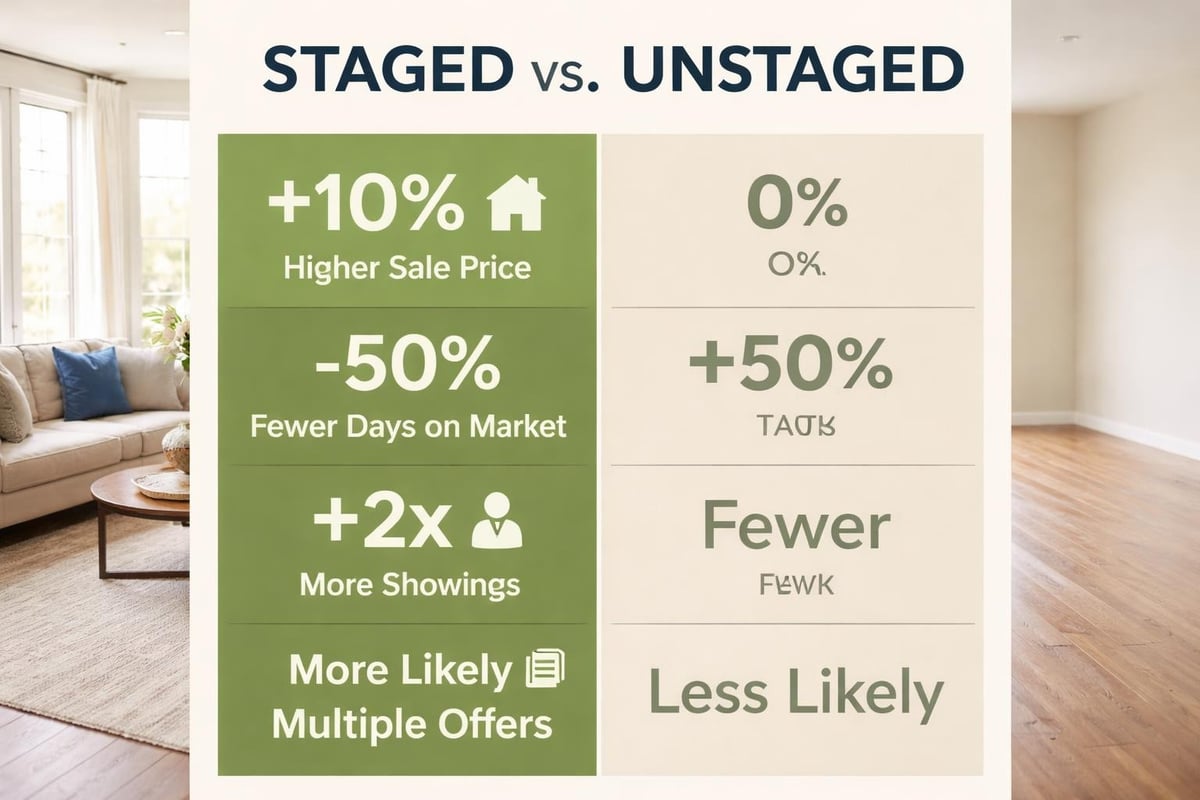
Staged properties spend 73% less time on the market compared to non-staged homes
Buyers offer between 5-15% more for professionally staged properties
82% of buyer's agents report that staging makes it easier for clients to visualize the property as their future home
Staged homes receive an average of 3.7 times more showings than unstaged properties
Speed matters in real estate markets. Every additional week a property sits unsold costs sellers money in mortgage payments, utilities, maintenance, and opportunity costs. When homes are staged to sell effectively, they move through the sales cycle rapidly, minimizing holding costs and maximizing net proceeds.
Metric | Unstaged Homes | Staged Homes | Difference |
|---|---|---|---|
Average Days on Market | 156 days | 42 days | 73% faster |
Offer Price vs. Asking | 94% | 101% | 7% higher |
Number of Showings | 12 | 44 | 267% increase |
Likelihood of Multiple Offers | 18% | 67% | 272% increase |
Core Principles of Effective Staging
Understanding what makes a property staged to sell requires grasping fundamental design and psychology principles. Professional stagers combine interior design expertise with marketing knowledge to create spaces that resonate with target buyers.
Depersonalization and Neutralization
The primary goal involves helping potential buyers envision themselves living in the space. Personal photographs, unique color schemes, and highly individualized decor create barriers to this visualization process.
Neutral palettes serve as the foundation for successful staging. Soft grays, warm whites, and subtle beiges appeal to the broadest audience while allowing architectural features to shine. These colors photograph exceptionally well, which proves crucial in today's digital-first real estate market where buyers form opinions based on online listings before scheduling showings.
Removing personal items extends beyond family photos. Religious artifacts, political memorabilia, hobby collections, and distinctive artwork should be stored during the selling process. The objective centers on creating a blank canvas where buyers project their own lives rather than observing someone else's.
Space Optimization and Flow
Strategic furniture arrangement transforms how buyers perceive room dimensions and functionality. Oversized furniture makes rooms appear cramped, while inadequate furnishings leave spaces feeling incomplete and purposeless.
Professional stagers evaluate traffic patterns, natural light sources, and architectural focal points when positioning furniture. Each room should communicate clear purpose:
Define distinct zones in open-concept spaces using area rugs and furniture groupings
Position seating to encourage conversation while maintaining adequate walking paths
Angle furniture slightly to soften rigid layouts and create visual interest
Remove bulky pieces that obstruct natural sight lines
Add appropriately scaled furniture to empty rooms so buyers understand spatial potential
The home staging best practices from Zillow emphasize that rooms should feel spacious yet furnished enough to demonstrate livability. This balance requires professional judgment based on the specific property and target demographic.
Room-Specific Staging Strategies
Different spaces within a home require tailored approaches when preparing properties to be staged to sell. Understanding these nuances ensures every square foot contributes to the overall impression.
Living Areas and Common Spaces
Living rooms serve as the emotional heart of homes and receive disproportionate attention from buyers. These spaces should feel inviting, sophisticated, and versatile.
Lighting layers create ambiance and highlight architectural details. Combine ambient ceiling fixtures with task lighting and accent lamps to ensure adequate illumination at all times of day. Natural light should be maximized through clean windows and appropriate window treatments that frame views without blocking daylight.
Furniture arrangements should facilitate multiple activities. A conversational seating group paired with a reading nook demonstrates versatility. Add texture through throw pillows, area rugs, and window treatments, but maintain restraint to avoid visual clutter.
Kitchen and Dining Spaces
According to NAR research on staging impact, kitchens significantly influence buyer decisions and home valuations. These functional spaces must appear both beautiful and practical.
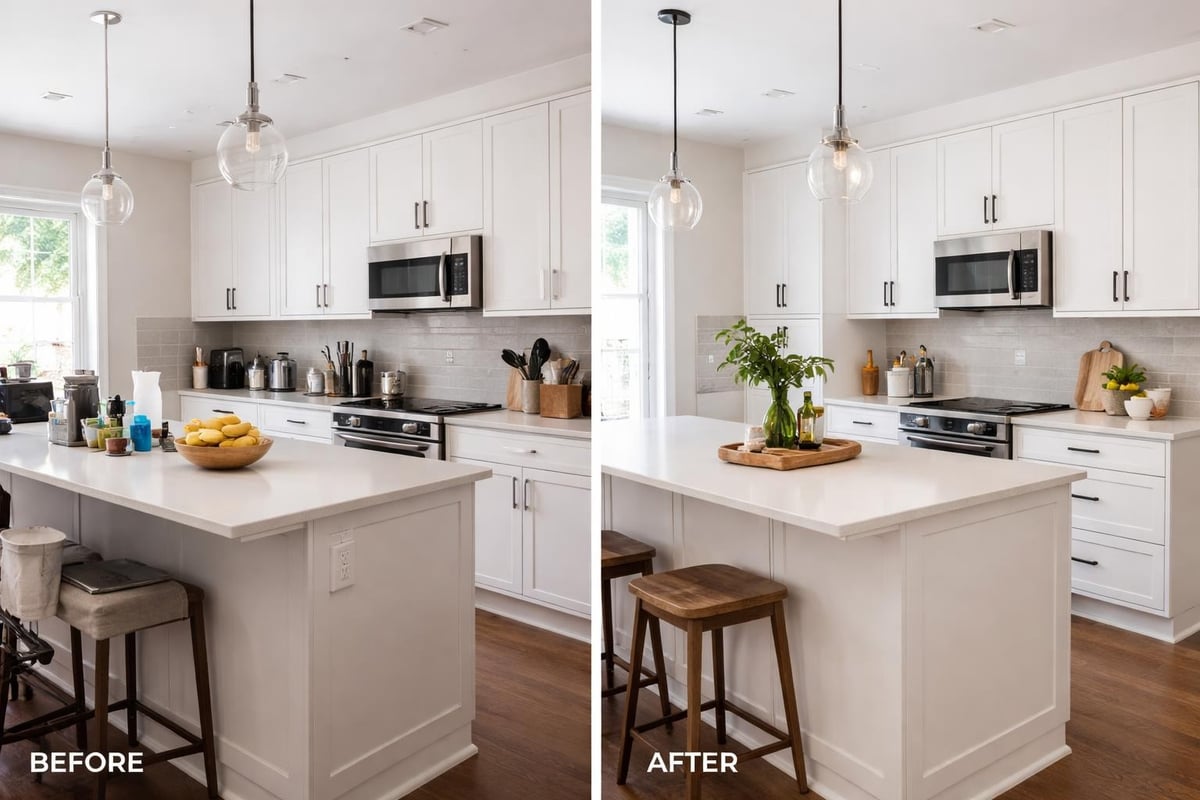
Clear all countertops except for a few carefully chosen decorative elements. Store small appliances, dish racks, and personal items. A bowl of fresh fruit, a cookbook stand, or a simple vase creates warmth without clutter.
For properties staged to sell in competitive markets, consider minor updates that deliver maximum visual impact. New cabinet hardware, updated light fixtures, and fresh paint on cabinets transform dated kitchens without major renovation costs. These strategic improvements often return 100-200% of their investment.
Primary Bedrooms and Private Retreats
Bedrooms should evoke tranquility and luxury. Buyers seeking refuge from busy lives respond positively to serene, hotel-inspired environments.
Invest in quality bedding with crisp white linens, layered textures, and coordinated throw pillows. The bed serves as the room's focal point and deserves premium presentation. Position the bed to maximize spatial perception, typically centered on the main wall with balanced nightstands.
Minimize visible personal items in closets by removing at least 50% of contents. Organized, spacious closets rank high on buyer priority lists. Install matching hangers, add shelf dividers, and arrange items by color to create a boutique appearance.
Room Type | Essential Elements | Items to Remove | Key Focus |
|---|---|---|---|
Living Room | Neutral sofa, accent chairs, coffee table, lighting, artwork | Personal photos, excess furniture, clutter | Conversation and comfort |
Kitchen | Clear counters, fresh towels, minimal decor | Appliances, magnets, personal items | Cleanliness and space |
Primary Bedroom | Quality bedding, nightstands, lamps, minimal decor | Personal items, excess furniture | Serenity and luxury |
Bathrooms | Fresh towels, spa elements, cleared counters | Toiletries, medications, personal products | Cleanliness and spa-like feel |
The Professional Staging Advantage
While DIY staging offers some benefits, professional expertise delivers superior results for properties staged to sell in competitive markets. Experienced stagers bring knowledge, resources, and objectivity that homeowners cannot replicate.
Design Expertise and Market Knowledge
Professional stagers understand current design trends, buyer demographics, and regional preferences. They recognize which improvements yield the highest returns and which represent wasted investment. This expertise proves particularly valuable in diverse markets like San Diego, where coastal properties, urban condos, and suburban homes each appeal to distinct buyer segments.
Expert staging guidance from industry professionals emphasizes the importance of matching staging style to target buyers. A family-oriented suburb requires different approaches than a downtown loft catering to young professionals. Stagers analyze comparable sales, study buyer behavior patterns, and adapt their strategies accordingly.
Access to Inventory and Resources
Professional staging companies maintain extensive furniture and accessory inventories. This access allows them to furnish properties appropriately regardless of size, style, or architectural period.
Quality matters in staging furniture. Premium pieces photograph beautifully, withstand multiple installations, and project the upscale image that justifies premium pricing. Luxury staging services incorporate designer furniture, original artwork, and high-end accessories that elevate properties beyond standard presentations.
The investment in professional staging typically ranges from 1-3% of the listing price, with many sellers recovering this cost multiple times over through faster sales and higher offers. For premium properties where presentation directly impacts perceived value, comprehensive staging packages become essential marketing tools rather than optional expenses.
Objective Perspective
Homeowners develop emotional attachments to their properties that cloud judgment. They overlook flaws, overvalue personal style choices, and struggle to view spaces through buyer eyes. Professional stagers provide the detachment necessary to make strategic decisions.
This objectivity extends to difficult conversations about necessary improvements. Stagers might recommend repainting bold accent walls, replacing outdated light fixtures, or removing beloved but style-specific furniture. These recommendations, while sometimes uncomfortable, directly impact how quickly properties sell and at what price.
Timing and Implementation Considerations
Understanding when and how to stage properties maximizes effectiveness while managing costs. Strategic timing ensures homes hit the market when staged to sell at their absolute peak.
Pre-Listing Versus Occupied Staging
Vacant properties present unique challenges and opportunities. Empty rooms photograph poorly, appear smaller than reality, and fail to communicate livability. Pre-listing staging fills these spaces with appropriately scaled furniture that helps buyers understand spatial relationships and envision themselves in the home.
For occupied properties, staging involves editing existing furnishings, rearranging layouts, and supplementing with rental pieces as needed. This approach costs less than full vacant staging but requires cooperation from current residents who must maintain staging standards during the listing period.
Timing staging installation requires coordination with photography schedules, listing launch dates, and seasonal market considerations. Properties should be photographed within days of staging completion when everything appears fresh and pristine. In San Diego's year-round market, professional staging services adapt to continuous demand rather than seasonal fluctuations.
Maintenance and Adaptation
Once staged to sell, properties require ongoing maintenance to preserve their presentation quality. This includes:
Daily tidying before showings to maintain staged appearance
Weekly deep cleaning to ensure spotless conditions
Replacing fresh flowers or plants as needed
Addressing any damage or wear to rental furniture
Adjusting staging elements based on feedback from showings
Properties that linger on the market may benefit from staging refreshes. Rotating accessories, updating seasonal elements, or repositioning furniture demonstrates active management and renewed commitment to selling. These minor adjustments can reignite buyer interest without the expense of complete restaging.
Measuring Staging Success
Effective staging produces measurable results that justify the investment. Understanding these metrics helps sellers and agents evaluate staging effectiveness and make data-driven decisions.
Key Performance Indicators
Statistics from the Home Staging Institute reveal that professionally staged homes consistently outperform unstaged properties across multiple dimensions. Tracking specific metrics provides insight into staging ROI:
Online engagement serves as the first indicator. Staged properties receive significantly more views, saves, and shares on listing platforms. Higher digital engagement translates directly to increased showing requests and faster sales cycles.
Showing feedback from buyer's agents offers qualitative assessment. Comments consistently mention staged homes' move-in ready condition, appealing presentation, and strong first impressions. Negative feedback about staging elements provides opportunities for quick adjustments.
Offer quality represents the ultimate measure. Properties staged to sell attract not only more offers but better qualified buyers willing to pay premium prices. Multiple offer situations become common, giving sellers negotiating leverage and frequently resulting in above-asking sales prices.
Regional Considerations for San Diego Properties
San Diego's diverse neighborhoods and property types require staging approaches tailored to local buyer preferences and lifestyle expectations. Understanding these regional nuances optimizes staging effectiveness.
Coastal and Beach Properties
Properties near the ocean benefit from staging that emphasizes indoor-outdoor living, natural light, and relaxed California lifestyle elements. Light, airy color palettes that echo beach tones resonate with buyers seeking coastal living.
Outdoor spaces deserve equal attention to interiors. Staged patios, balconies, and yards demonstrate usable square footage and lifestyle potential. Coastal buyers prioritize these spaces, making them critical components of comprehensive staging.
Urban and Downtown Spaces
Downtown condos and urban properties appeal to different demographics than suburban homes. Staging should emphasize modern design, efficient space utilization, and cosmopolitan lifestyle elements.
Multi-functional furniture proves essential in smaller urban spaces. Murphy beds, expandable dining tables, and smart storage solutions demonstrate how buyers can maximize limited square footage. Technology integration, contemporary art, and sleek finishes align with urban buyer expectations.
Exploring Stage Joy's portfolio reveals successful staging approaches across San Diego's varied property types, from beachfront estates to urban lofts and suburban family homes.
Professional staging transforms properties from simple listings into compelling buyer experiences that command premium prices and rapid sales. By implementing strategic design principles, optimizing each space for maximum appeal, and leveraging professional expertise, sellers position their homes to outperform market expectations. Whether you're preparing a luxury estate or a starter home, Stage Joy delivers customized staging solutions that highlight your property's best features and connect with qualified buyers ready to make competitive offers.