
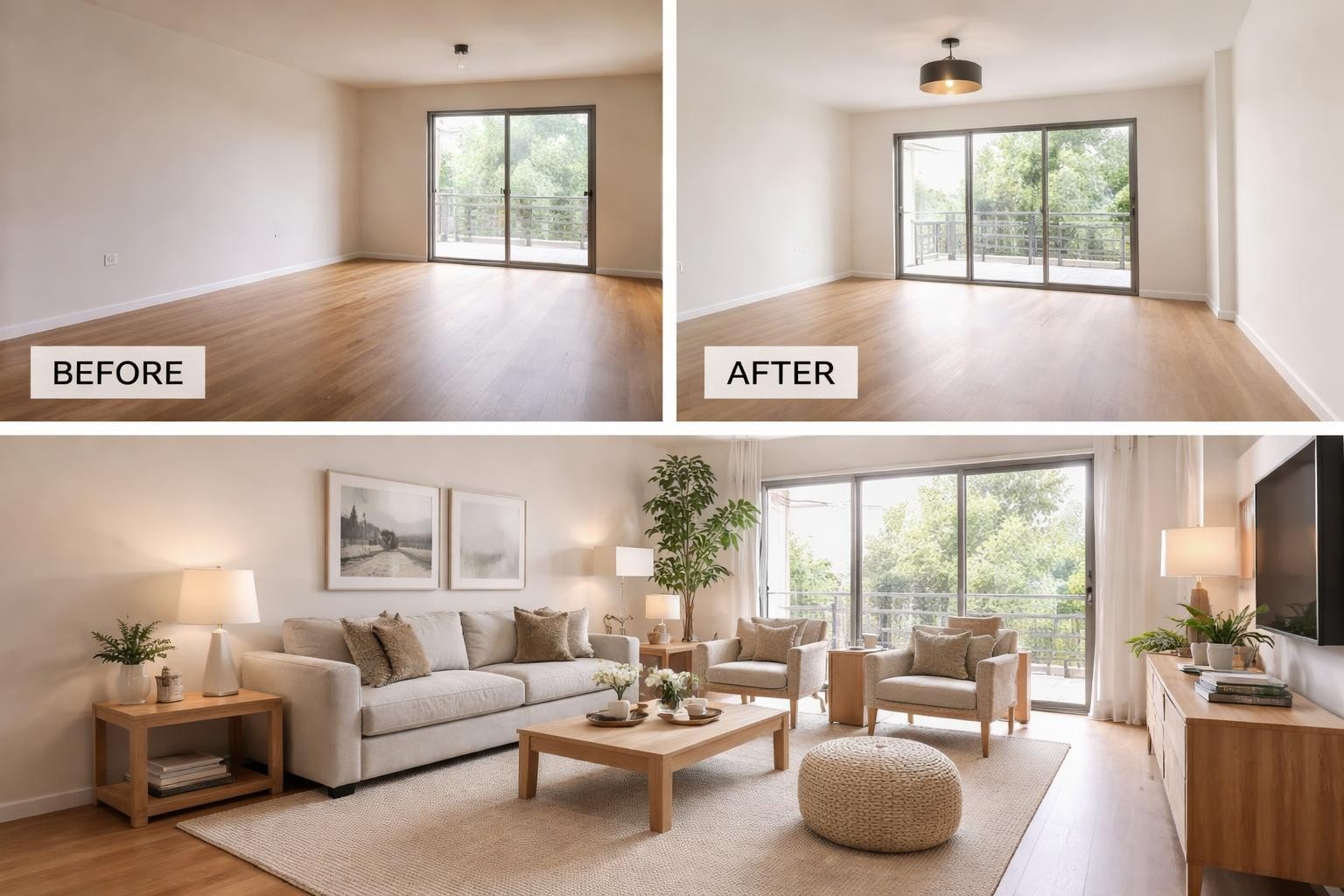

Staging a property effectively can mean the difference between a home that languishes on the market and one that sells quickly at top dollar. Whether you're a real estate agent, homeowner, or investor, understanding the art and science of staging a space transforms how potential buyers perceive value. This comprehensive guide explores proven techniques, room-by-room strategies, and professional insights that help properties stand out in competitive markets like San Diego and beyond.
Understanding the Impact of Staging a Property
The decision to invest in staging a home isn't just about aesthetics. It's a strategic business move backed by compelling data. According to comprehensive home staging statistics, staged homes sell 73% faster than non-staged properties and often command higher offers.
Key benefits of staging a property include:
Faster sale times, reducing carrying costs for sellers
Higher perceived value among potential buyers
Better online presence through compelling listing photos
Reduced negotiation on price due to move-in ready appearance
Competitive advantage in saturated markets
The psychology behind staging a home connects directly to buyer emotions. When potential purchasers walk through a well-staged property, they envision their future life there rather than seeing someone else's belongings or an empty shell. This emotional connection accelerates decision-making and increases willingness to pay premium prices.
When Professional Staging Makes Sense
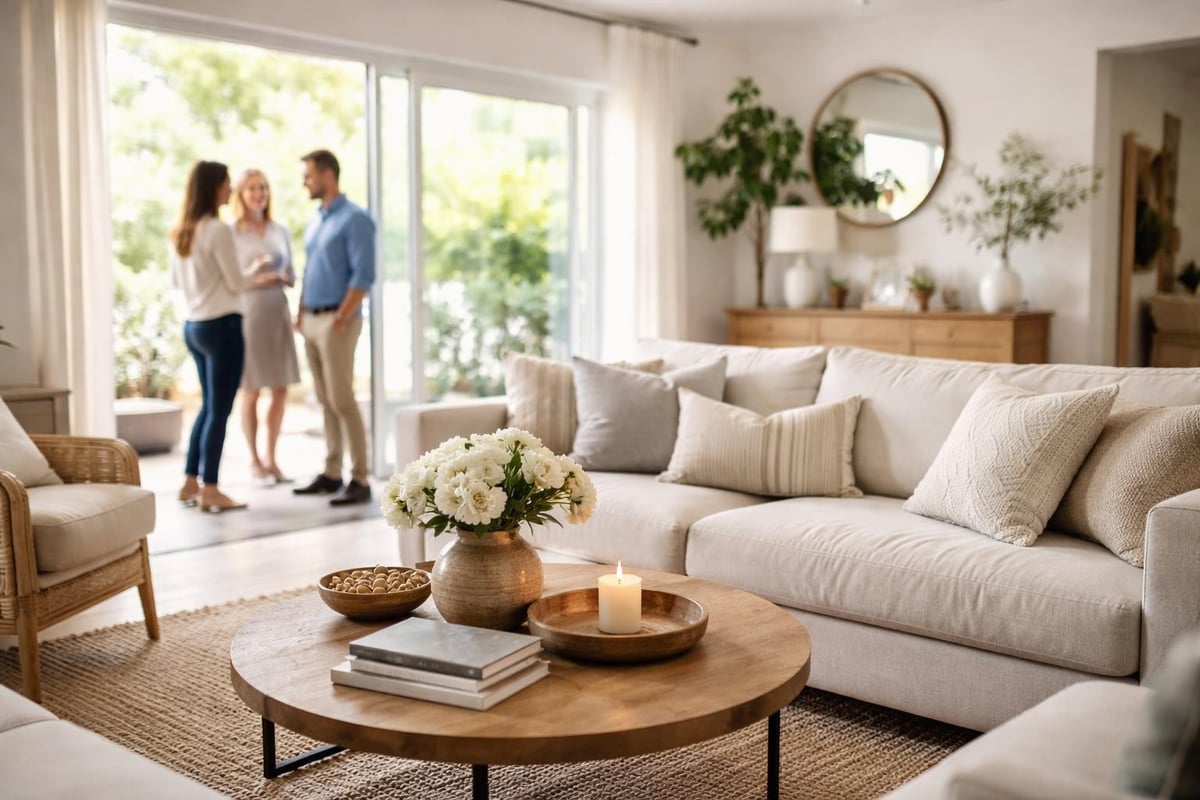
Determining whether staging a property requires professional intervention depends on several factors. Professional home stagers bring value particularly for luxury listings, vacant properties, or homes with challenging layouts. The investment typically ranges from 1-3% of the listing price but can yield returns of 5-15% through higher sale prices and reduced time on market.
Consider professional staging when:
The property has been on the market for more than 30 days
Comparable homes in the area are selling faster
The home is vacant and needs furniture to show scale
Unique architectural features need highlighting
Target buyers expect turnkey presentation
Room-by-Room Guide to Staging a Home
Living Room: The Heart of First Impressions
Staging a living room sets the tone for the entire property. This space should demonstrate comfortable entertaining potential while maintaining sophisticated appeal. Start by removing personal items, excess furniture, and anything that makes the room feel cramped.
Element | Staging Strategy | Impact Level |
|---|---|---|
Furniture arrangement | Create conversation areas, ensure traffic flow | High |
Lighting | Layer ambient, task, and accent lighting | High |
Color palette | Neutral with strategic pops of color | Medium |
Accessories | Minimal, intentional placement | Medium |
Window treatments | Clean, light-filtering, updated | Medium |
Professional tip: When staging a living room for photography, position furniture to emphasize room dimensions. Pull pieces slightly away from walls to create depth and avoid that "showroom" feeling that lacks warmth.
Kitchen and Dining Areas
Staging a kitchen demands particular attention since this space heavily influences buying decisions. Modern buyers prioritize updated, functional kitchens with clean surfaces and organized storage. Clear all countertops except for perhaps a coffee station or fruit bowl to suggest lifestyle without clutter.
The dining area should showcase entertaining potential. A properly set table with simple place settings, a centerpiece, and adequate seating demonstrates functionality. Consider DIY home staging approaches that maximize impact without extensive budgets, such as painting cabinets, updating hardware, or adding under-cabinet lighting.
Primary Suite and Bedrooms
Staging a bedroom requires creating a hotel-like retreat atmosphere. Invest in quality bedding with neutral colors, remove personal photos, and minimize furniture to two or three essential pieces. The goal is showcasing the room's size and peaceful potential.
Bedroom staging essentials:
Crisp white or neutral bedding in multiple layers
Symmetrical nightstands with matching lamps
Cleared closets showing ample storage space
Removed personal items and family photos
Fresh flowers or subtle greenery for life
Bathrooms: Small Spaces, Big Impact
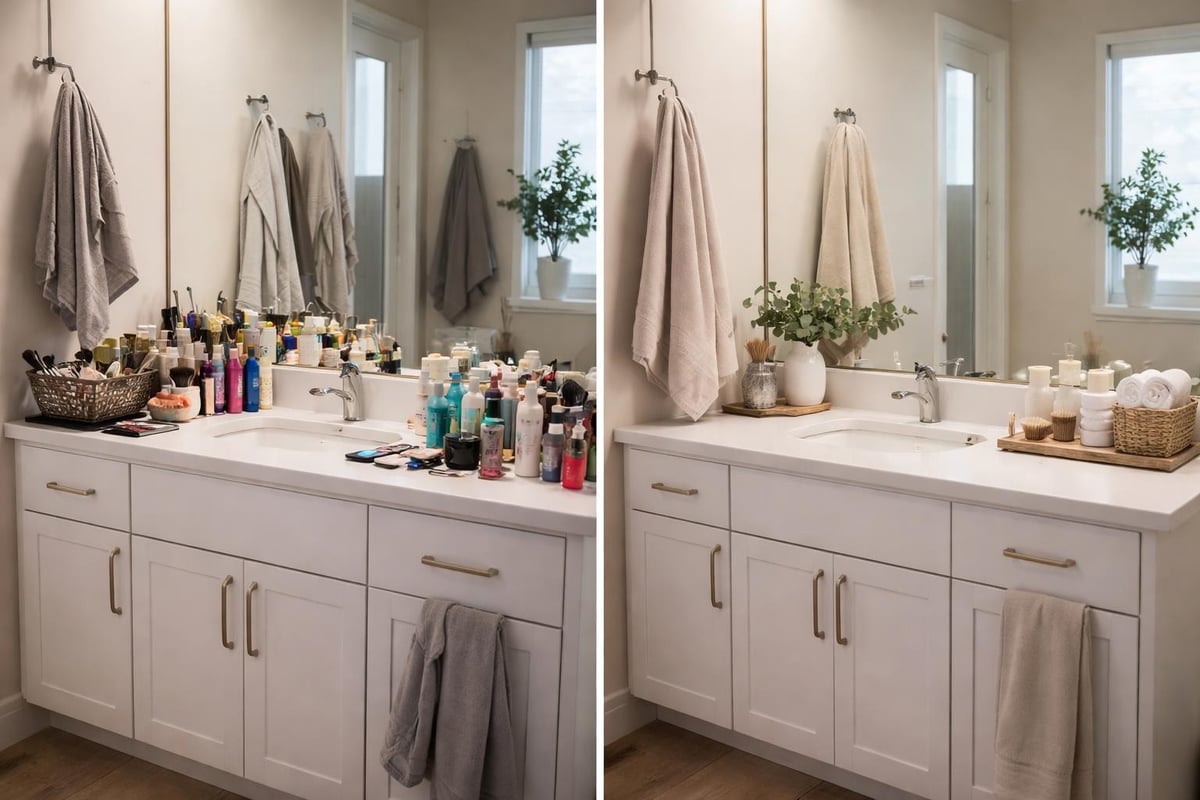
When staging a bathroom, cleanliness and spa-like ambiance take priority. These spaces often receive less attention but can significantly influence buyer perception of property maintenance. Replace worn towels with plush white or neutral alternatives, install updated fixtures if needed, and ensure grout appears pristine.
Strategic Approaches to Staging a Property on Budget
Not every staging project requires five-figure investments. Understanding where to allocate resources maximizes return while controlling costs. The RBFCU home staging guide emphasizes focusing budget on high-impact areas where buyers spend the most time.
High-Impact, Low-Cost Staging Tactics
Staging a home effectively on limited budget means being strategic about investments:
Paint transformation - Fresh neutral paint offers incredible ROI, typically $500-1500 for an entire home
Lighting upgrades - Modern light fixtures update spaces dramatically for $100-300 per room
Curb appeal enhancement - Landscaping, fresh mulch, and door paint create strong first impressions for under $1000
Deep cleaning - Professional cleaning services cost $200-500 but make everything shine
Furniture rearrangement - Free but requires design eye to optimize flow and space
Rental Furniture vs. Existing Pieces
When staging a vacant property, rental furniture provides flexibility without permanent investment. Monthly rental costs vary based on package scope but typically range from $2000-6000 for a complete home. This approach works particularly well for luxury home staging where premium pieces elevate perceived value.
For occupied homes, staging a space with existing furniture requires selective editing. Remove bulky pieces, reduce quantity by 30-50%, and supplement with rental items that fill gaps or update outdated styles.
Staging a Home for Maximum Online Appeal
In 2026, approximately 97% of buyers begin their home search online, making photography-ready staging essential. Staging a property specifically for cameras requires understanding how spaces translate through lenses and screens.
Photography-Focused Staging Elements
Photography Consideration | Staging Solution |
|---|---|
Wide-angle lens distortion | Pull furniture slightly from walls |
Lighting balance | Turn on all lights, open curtains, shoot during golden hour |
Color rendering | Use neutral tones that photograph consistently |
Screen size variation | Ensure focal points work on mobile and desktop |
Virtual tour preparation | Stage entire pathways, not just individual rooms |
The Good Housekeeping staging tips emphasize creating visual flow that translates well in listing photos. Each room should have a clear focal point that draws the eye and photographs well from multiple angles.
How staging a home for photography requires specific lighting, angles, and focal points that translate effectively across digital platforms and virtual tours
Common Staging Mistakes to Avoid
Even experienced professionals occasionally stumble when staging a property. Recognizing these pitfalls helps maintain staging quality and effectiveness.
Top staging errors include:
Over-personalizing with trendy decor that dates quickly
Insufficient lighting creating dark, uninviting photos
Blocked traffic patterns that make rooms feel cramped
Ignoring odors from pets, cooking, or mustiness
Inconsistent style creating disconnected room transitions
Neglecting exterior and entry staging
Over-accessorizing that creates visual clutter
The Redfin staging guide notes that staging a home inconsistently across rooms confuses buyers and diminishes overall impact. Maintain cohesive design language throughout the property, even if individual rooms serve different purposes.
Staging Strategies for Different Property Types
Luxury Properties
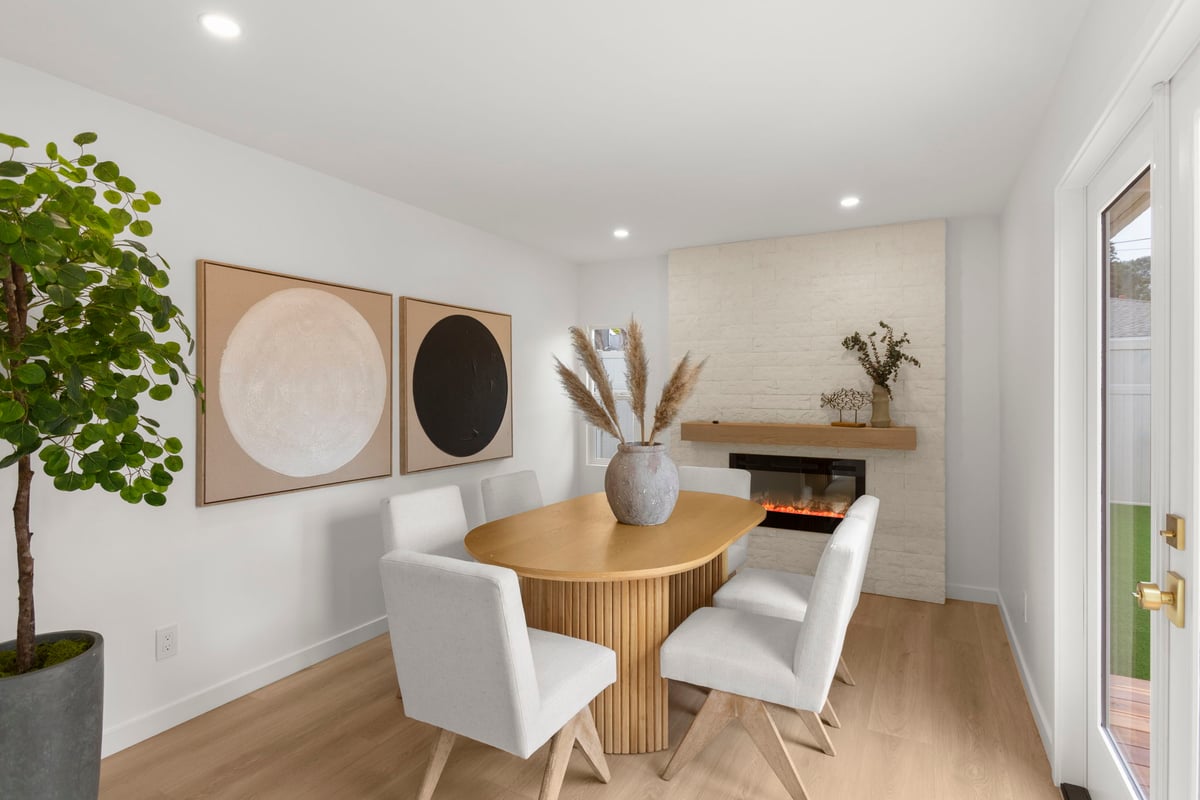
Staging a high-end home requires elevated approaches that match buyer expectations. These properties demand premium furnishings, sophisticated styling, and attention to lifestyle details that justify premium pricing. Stage Joy's Signature Home Staging Package exemplifies this approach, featuring upgraded furniture, layered textures, and statement pieces that elevate perceived value and create the polished presentation luxury buyers expect.
Luxury staging incorporates:
Designer furniture and art pieces
High-end finishes and materials
Layered lighting schemes
Outdoor living space staging
Wine cellars, offices, and specialty rooms
Vacant Properties
When staging a completely empty property, the challenge involves helping buyers understand scale and functionality. Empty rooms photograph poorly and feel uninviting during showings. Strategic furniture placement defines purpose and demonstrates livability.
Occupied Homes
Staging a currently occupied home requires diplomatic navigation of owner belongings while creating marketable appeal. Work with homeowners to temporarily remove personal items, excess furniture, and anything that distracts from property features. Many professional staging services offer consultation-only packages that guide homeowners through this process.
Measuring Staging Success
Evaluating whether staging a property delivered results requires tracking specific metrics beyond just sale price. Days on market, showing volume, offer quantity, and sale price relative to list price all indicate staging effectiveness.
Success indicators for staged properties:
Showing frequency - Staged homes typically receive 2-3x more showing requests
Time to first offer - Average 10-20 days faster for staged vs. unstaged
Offer quality - Higher percentage of full-price or above offers
Buyer feedback - Positive comments about move-in readiness and appeal
Photography engagement - Higher click-through rates on online listings
According to Hometap's expert staging advice, properties benefit most from staging when sellers track these metrics and adjust strategies based on market response. If showing volume increases but offers don't materialize, the issue may involve pricing rather than staging quality.
Seasonal Considerations When Staging a Property
Different seasons affect how buyers perceive properties and what staging elements resonate most. Spring staging emphasizes fresh beginnings with lighter textiles and garden focus. Summer staging highlights outdoor living spaces and airy interiors. Fall staging creates cozy warmth through layered textures, while winter staging addresses low natural light and emphasizes indoor comfort.
Adjust staging approaches based on listing timing:
Spring (March-May): Fresh flowers, light fabrics, outdoor furniture
Summer (June-August): Pool/patio staging, bright accents, minimal layers
Fall (September-November): Warm tones, cozy throws, seasonal touches
Winter (December-February): Maximum lighting, warm textiles, fireplace focus
The This Old House staging recommendations include seasonal adjustments that help properties feel current and inviting regardless of listing month.
Working With Professional Staging Companies
Selecting the right staging partner significantly impacts results. When evaluating staging professionals, consider their portfolio, understanding of local markets, furniture inventory quality, and pricing transparency. The best staging companies offer flexible customized staging solutions that adapt to property types, budgets, and target buyer demographics.
Questions to ask potential staging companies:
What is your typical ROI for staged vs. unstaged properties?
Do you offer consultation-only or full-service options?
How do you approach properties at different price points?
What is your furniture inventory like, and how often do you update pieces?
Can you provide recent case studies or client references?
What is your process for collaborating with real estate agents?
Professional staging companies bring more than furniture. They offer market expertise, design knowledge, and understanding of buyer psychology that transforms properties into compelling products. Review their portfolio to ensure their aesthetic aligns with your property and target market.
Staging a home effectively combines art, psychology, and strategic marketing to position properties for maximum market success. Whether implementing DIY techniques or engaging professional services, the investment in staging typically delivers measurable returns through faster sales and higher prices. Stage Joy brings extensive experience in home staging and interior design to San Diego properties, offering customized solutions and budget-friendly packages that help sellers achieve their goals without compromising quality.