
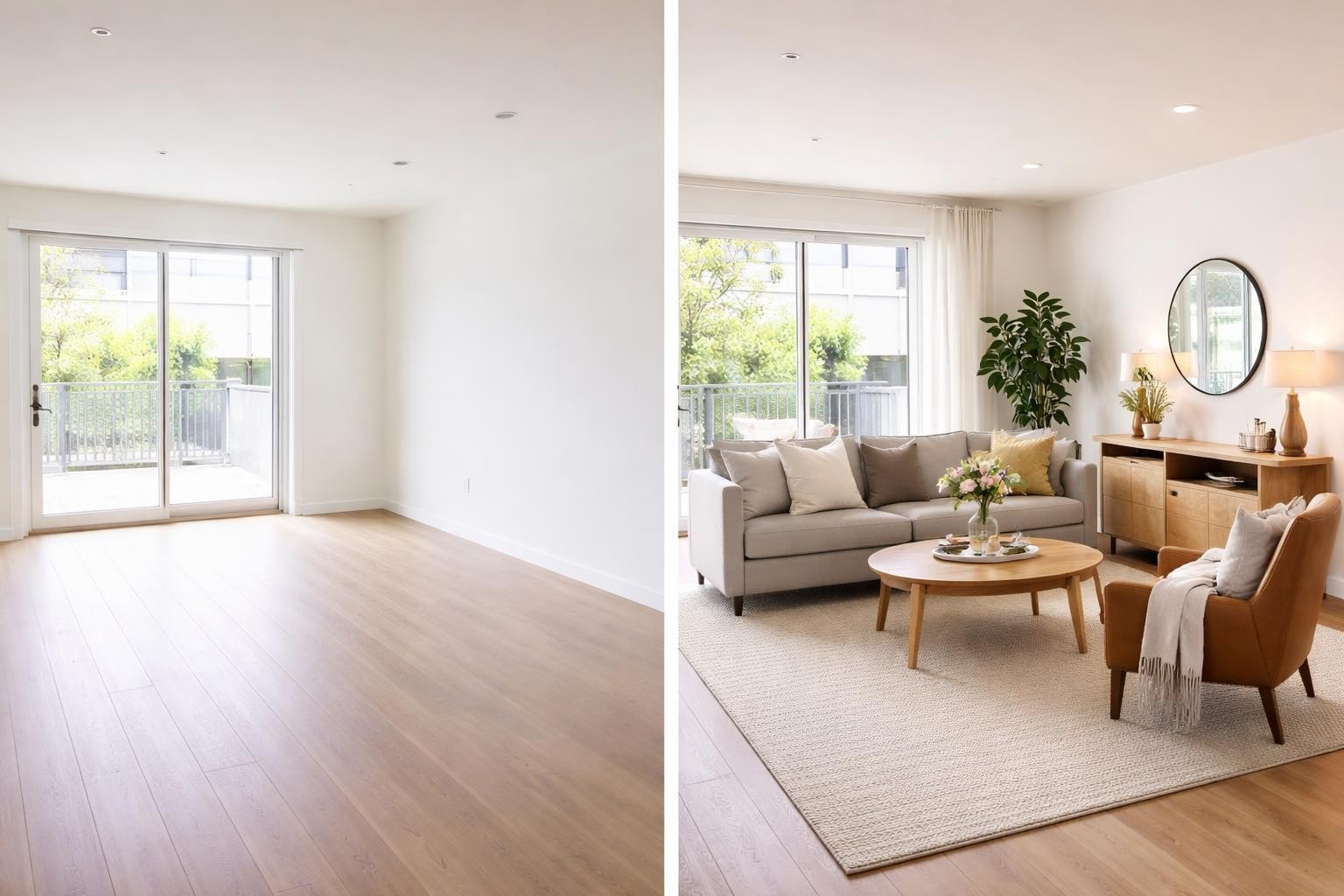

The rental market in 2026 continues to challenge property managers and landlords looking to minimize vacancy periods while maximizing rental income. Staging apartments has evolved from a luxury consideration to an essential marketing strategy that directly impacts occupancy rates and perceived value. Whether you're preparing a studio apartment or a multi-bedroom unit, the right staging approach creates an emotional connection with prospective tenants and demonstrates the lifestyle potential of your property.
Why Staging Apartments Matters for Rental Success
Property listings face fierce competition in today's digital marketplace. Prospective renters scroll through dozens of listings within minutes, making split-second decisions based primarily on photographs. Professionally staged apartments capture attention immediately and hold interest longer than vacant or poorly presented units.
Research from the National Association of Realtors demonstrates that staging significantly reduces time on market while increasing final prices. These benefits extend beyond sales into the rental sector, where staged units command premium rates and attract higher-quality tenants.
The Financial Impact of Professional Staging
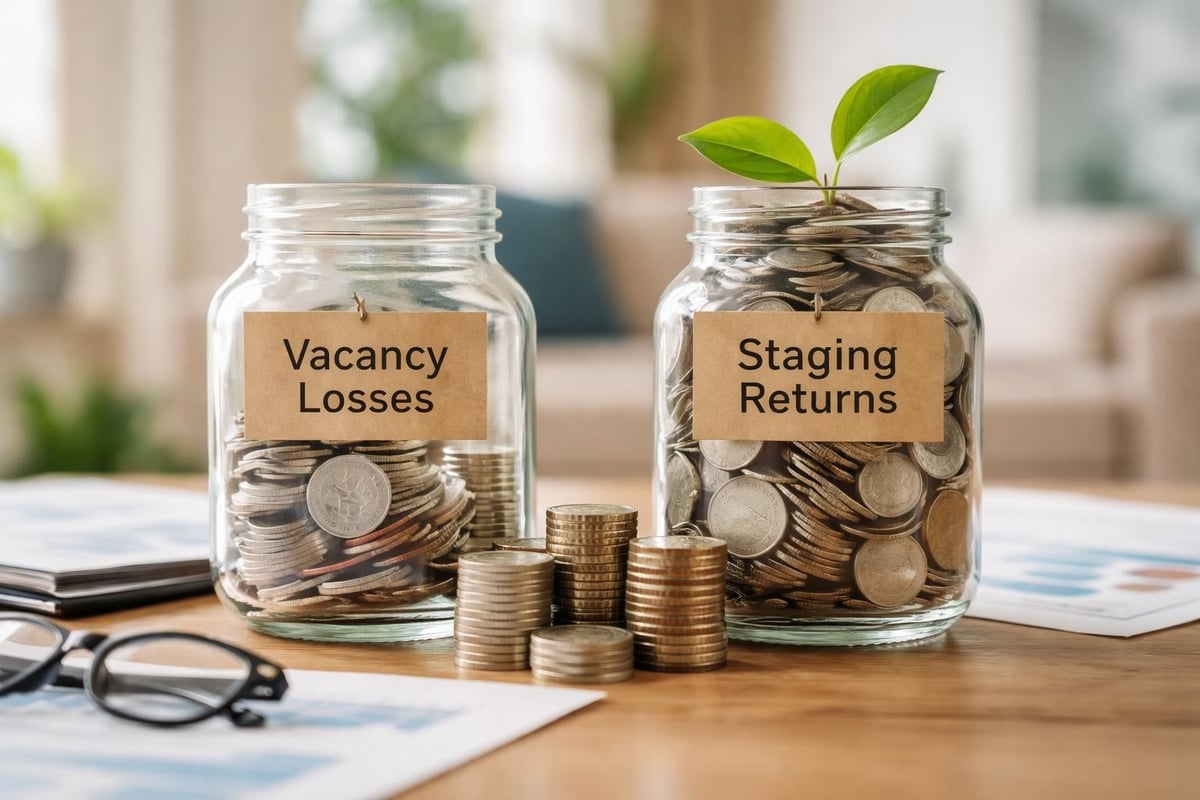
Consider the cost-benefit analysis of staging apartments versus prolonged vacancy periods. A vacant unit losing $2,500 monthly quickly accumulates losses that far exceed staging investment. Professional staging typically delivers returns through:
Reduced vacancy periods by 30-50% on average
Higher rental rates of 5-15% above comparable unstaged units
Better tenant quality through enhanced perceived value
Reduced negotiation as tenants recognize move-in ready condition
Staging Investment | Average Vacancy Reduction | Potential Monthly Premium | Break-Even Timeline |
|---|---|---|---|
$2,000-3,500 | 20-30 days | $100-200 | 1-2 months |
$3,500-5,000 | 30-45 days | $200-350 | 2-3 months |
$5,000+ | 45-60 days | $350-500 | 2-4 months |
Essential Elements of Effective Apartment Staging
Successful staging apartments requires understanding what prospective tenants prioritize when evaluating rental properties. The goal extends beyond making spaces look attractive. You're creating a vision of comfortable, functional living that allows viewers to imagine their daily routines within the space.
Space Planning and Furniture Scale
Apartment staging differs fundamentally from staging single-family homes due to square footage constraints. Every piece must justify its presence through both aesthetic appeal and functional demonstration. Choosing appropriately scaled furniture prevents spaces from feeling cramped while still showcasing livability.
Key furniture selection principles include:
Measure doorways and elevators before selecting pieces
Choose streamlined designs over bulky traditional furniture
Select multi-functional pieces that demonstrate storage solutions
Maintain clear traffic patterns with at least 30 inches of walking space
Use transparent materials like glass or acrylic to maintain visual openness
Avoid over-furnishing, which remains the most common mistake in apartment staging. A strategically furnished living room with a sofa, two chairs, and a coffee table often outperforms a crowded arrangement with additional pieces that make the space feel smaller.
Color Psychology and Neutral Foundations
Neutral color palettes form the foundation of successful staging apartments because they appeal to the broadest audience while allowing personality through accent pieces. Professional staging tips emphasize starting with whites, grays, and beiges for major elements.
This doesn't mean eliminating color entirely. Strategic pops of color through pillows, artwork, and accessories create visual interest without overwhelming or polarizing potential tenants. In 2026, warm neutrals like greige, soft taupe, and warm white continue trending over stark, cool tones.
Room-by-Room Staging Strategies
Each room in an apartment serves distinct functions and requires tailored staging approaches. Understanding these differences maximizes impact while controlling costs through strategic investment in high-priority areas.
Living Areas That Invite Conversation
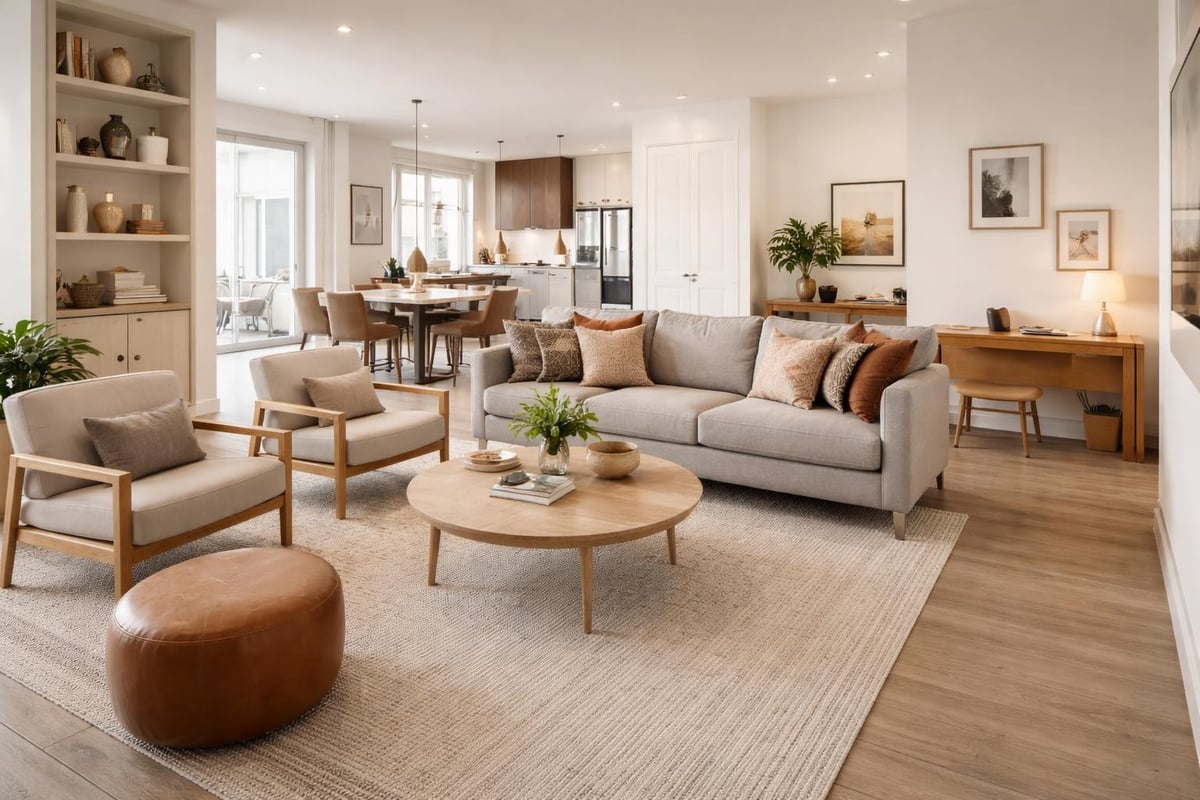
Living rooms function as the emotional centerpiece of apartment staging. This space receives the most scrutiny from prospective renters and often appears first in photo sequences. Create conversation areas that demonstrate how residents might entertain friends or relax after work.
Position seating to facilitate conversation rather than focusing solely on television viewing. This arrangement communicates lifestyle possibilities beyond passive entertainment. Add layers through textiles like throw blankets and pillows that introduce texture and warmth.
Living room must-haves:
Properly scaled sofa (typically 72-84 inches for standard apartments)
Complementary seating (chairs or loveseat)
Coffee table with styling accessories
Area rug defining the conversation zone
Layered lighting with floor and table lamps
Wall art or mirrors creating focal points
Kitchen and Dining Presentation
Kitchens sell apartments even when they're not newly renovated. Staging apartments requires making kitchens feel clean, organized, and equipped for cooking. Clear all countertops except for a few carefully chosen items like a coffee maker, cutting board with knife set, or decorative bowl with fresh fruit.
Budget-friendly staging approaches for kitchens focus on cleanliness and organization over expensive updates. Replace outdated hardware, ensure all appliances shine, and display minimal cookware to suggest functionality without clutter.
For dining areas, a simple table with four chairs demonstrates capacity without overwhelming the space. Add a centerpiece and place settings for two to create an inviting atmosphere that suggests the pleasure of home-cooked meals.
Bedrooms as Personal Retreats
Bedroom staging in apartments emphasizes rest, relaxation, and adequate storage. The bed remains the obvious focal point and deserves quality linens in neutral tones with textured layers. Potential tenants assess whether their own furniture will fit, so avoid oversized pieces that misrepresent available space.
Demonstrate closet organization through simple additions like matching hangers, storage boxes, or shelf dividers. Many renters prioritize storage capacity, and showing organized closet potential addresses this concern without requiring renovations.
Bedroom Size | Recommended Bed Size | Essential Furniture | Optional Additions |
|---|---|---|---|
Under 100 sq ft | Twin or Full | Bed, nightstand | Small dresser, wall shelf |
100-150 sq ft | Full or Queen | Bed, two nightstands, dresser | Reading chair, bench |
Over 150 sq ft | Queen or King | Full furniture set | Seating area, desk |
Bathroom Staging Details
Bathrooms require meticulous attention to cleanliness and functional demonstration. Stage bathrooms in apartments with spa-like touches that elevate the everyday routine. Roll fresh white towels on open shelving, add a small plant, and ensure all fixtures sparkle.
Replace worn shower curtains, update old bathmats, and eliminate any signs of mildew or soap scum. These small investments dramatically impact perceived value. Consider adding a decorative tray with hotel-style amenities to suggest luxury within the rental price point.
Virtual Staging and Photography Considerations
Digital marketing dominates the apartment rental process in 2026, making high-quality photography and virtual presentation crucial components of staging apartments. Professional photos of well-staged units receive significantly more inquiries than amateur photos of even nicely furnished spaces.
Optimizing for Online Listings
When staging apartment models, consider how each room photographs from multiple angles. Wide-angle lenses remain standard for real estate photography, so arrange furniture to appear balanced from camera perspective rather than only from standing viewpoints.
Natural light creates the most appealing apartment photos, so schedule photography sessions during peak daylight hours. Open all curtains and blinds, turn on every light, and ensure consistent color temperature across all fixtures. These details prevent the dingy appearance that plagues many rental listings.
Photography preparation checklist:
Deep clean all surfaces and floors
Remove personal items and visible cords
Adjust window treatments for maximum light
Replace burned-out bulbs with matching color temperatures
Style surfaces with minimal, intentional accessories
Ensure all doors and cabinets are closed unless highlighting storage
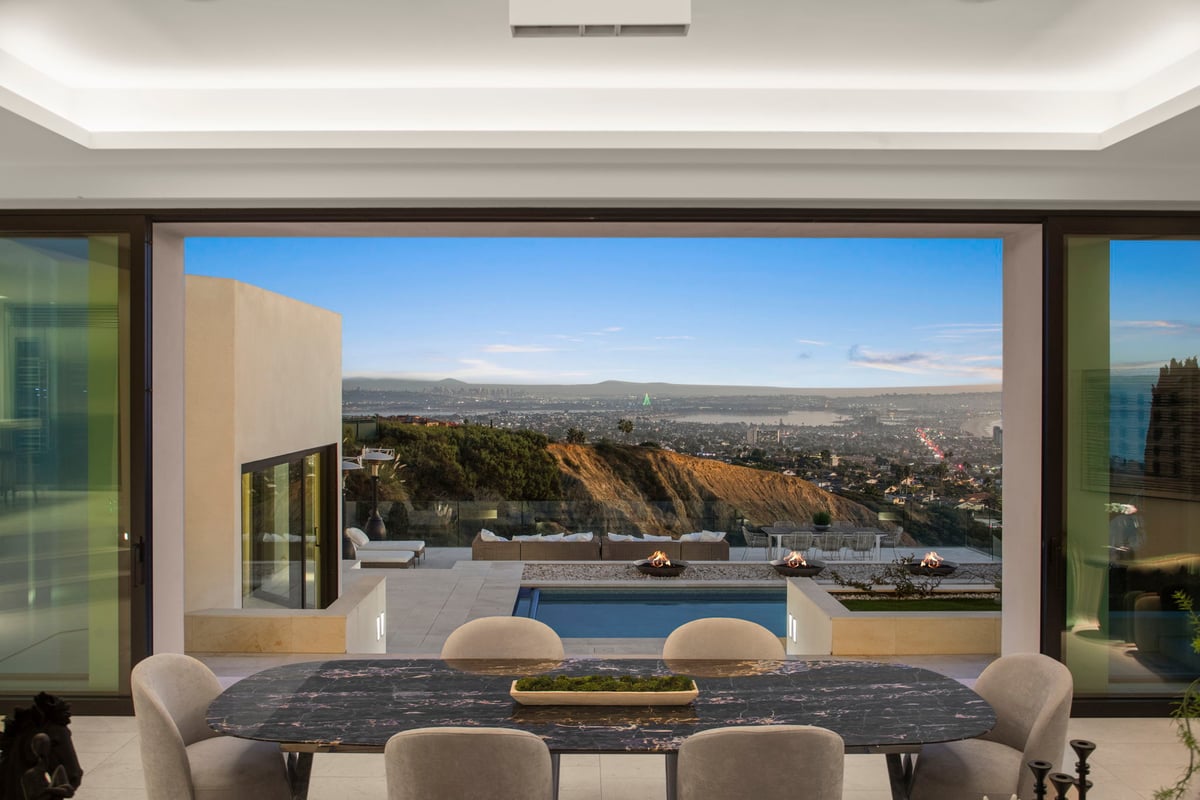
For properties targeting premium rental markets, comprehensive luxury home staging elevates presentation through designer furniture, curated artwork, and sophisticated styling that justifies higher rental rates. These full-service approaches transform standard apartments into aspirational living spaces that command attention in competitive markets.
Cost-Effective Staging Solutions for Apartment Properties
Not every property requires five-figure staging budgets. Strategic staging techniques deliver impressive results through smart prioritization and creative resource allocation. Focus investments on the rooms that matter most and use budget-friendly solutions for secondary spaces.
Rental Furniture vs. Purchase Options
Property managers staging multiple apartments face the decision between purchasing staging furniture outright or renting pieces for shorter terms. The right choice depends on your portfolio size and turnover rate.
Rental furniture makes sense when:
Staging single units or small portfolios
Properties vary significantly in style and size
Turnover is unpredictable or seasonal
Capital for furniture purchases is limited
Purchasing furniture works better when:
Managing multiple similar units
Expecting consistent turnover requiring ongoing staging
Building a permanent staging inventory
Long-term staging (over six months) is anticipated
DIY Staging Elements That Work
Property managers can handle certain staging aspects without professional assistance while reserving expert help for complex challenges. Simple improvements like decluttering and depersonalizing require more effort than expense but dramatically improve presentation.
Paint remains the highest-return DIY investment for staging apartments. Fresh neutral paint on walls eliminates odors, covers damage, and creates the clean slate that allows potential tenants to envision their own style. Focus on high-traffic areas like living rooms and bedrooms rather than attempting entire units if time or budget is constrained.
Common Apartment Staging Mistakes to Avoid
Even well-intentioned staging efforts can backfire when common mistakes compromise the presentation. Understanding these pitfalls helps property managers and landlords avoid wasting resources on ineffective approaches.
Over-Personalization and Themed Decor
While staging should create personality, excessive theming or bold personal taste alienates potential renters who can't see past the decorator's preferences. Beach themes, sports memorabilia, or highly specific color schemes limit appeal to narrow audiences. Staging apartments successfully requires walking the line between personality and universal appeal.
Similarly, avoid family photos, personal collections, or items that make the space feel like someone's current home rather than a potential future home for viewers. This principle applies whether staging vacant units or occupied apartments where current residents remain during the leasing process.
Ignoring Maintenance and Repairs
No amount of beautiful staging compensates for obvious maintenance issues. Prospective tenants interpret deferred maintenance as a sign of landlord negligence that will continue after they sign a lease. Address these issues before staging:
Patching and painting wall damage
Fixing dripping faucets and running toilets
Repairing or replacing damaged flooring
Cleaning or replacing stained carpets
Ensuring all appliances function properly
Replacing cracked outlet covers and switch plates
Issue Type | Impact on Rental Appeal | Approximate Cost | Priority Level |
|---|---|---|---|
Wall damage/scuffs | High | $50-200 | Critical |
Carpet stains | Very High | $100-500 | Critical |
Broken fixtures | Moderate | $20-100 | High |
Outdated hardware | Low | $50-150 | Medium |
Missing lightbulbs | Moderate | $10-30 | High |
Measuring Staging Success and ROI
Track specific metrics to evaluate whether your apartment staging investments deliver expected returns. Data-driven decisions help refine approaches and justify staging budgets to property owners or stakeholders.
Key Performance Indicators
Compare staged apartments against unstaged comparable units in your portfolio or market area. Meaningful metrics include days on market, application-to-showing ratio, final rental price versus asking price, and tenant quality indicators like credit scores or income levels.
Essential tracking metrics:
Time to lease: Days from listing to signed lease
Showing conversion rate: Applications received per showing conducted
Rental premium: Percentage above comparable unstaged units
Photography engagement: Online listing views and saves
Tenant retention: Renewal rates for tenants who rented staged units
Many property management systems now include analytics that simplify tracking these metrics across portfolios. Consistently staged properties typically show measurable improvements within three to six months as data accumulates.
Adjusting Strategy Based on Results
Staging apartments requires ongoing refinement as market preferences shift and competition evolves. Review performance quarterly and adjust your approach based on actual results rather than assumptions. If showings are high but applications are low, the issue may lie in pricing rather than staging. Conversely, if traffic is low despite quality staging, the problem likely involves photography or online listing presentation.
Consider A/B testing different staging approaches across similar units to identify what resonates with your specific tenant demographic. Professional staging companies like Stage Joy bring valuable market insights from working across diverse properties and can help interpret performance data to optimize results.
Staging apartments transforms vacant spaces into compelling lifestyle presentations that accelerate leasing timelines and justify premium rental rates. By focusing on appropriate furniture scale, neutral palettes with strategic color, and room-specific staging priorities, property managers create the emotional connection that converts prospects into tenants. Whether you're managing a single investment property or an extensive portfolio, strategic staging delivers measurable returns that far exceed the initial investment. Stage Joy combines extensive staging expertise with budget-conscious packages designed specifically for the San Diego rental market, helping property owners maximize appeal without sacrificing quality or exceeding budget constraints.
Article written using RankPill.