
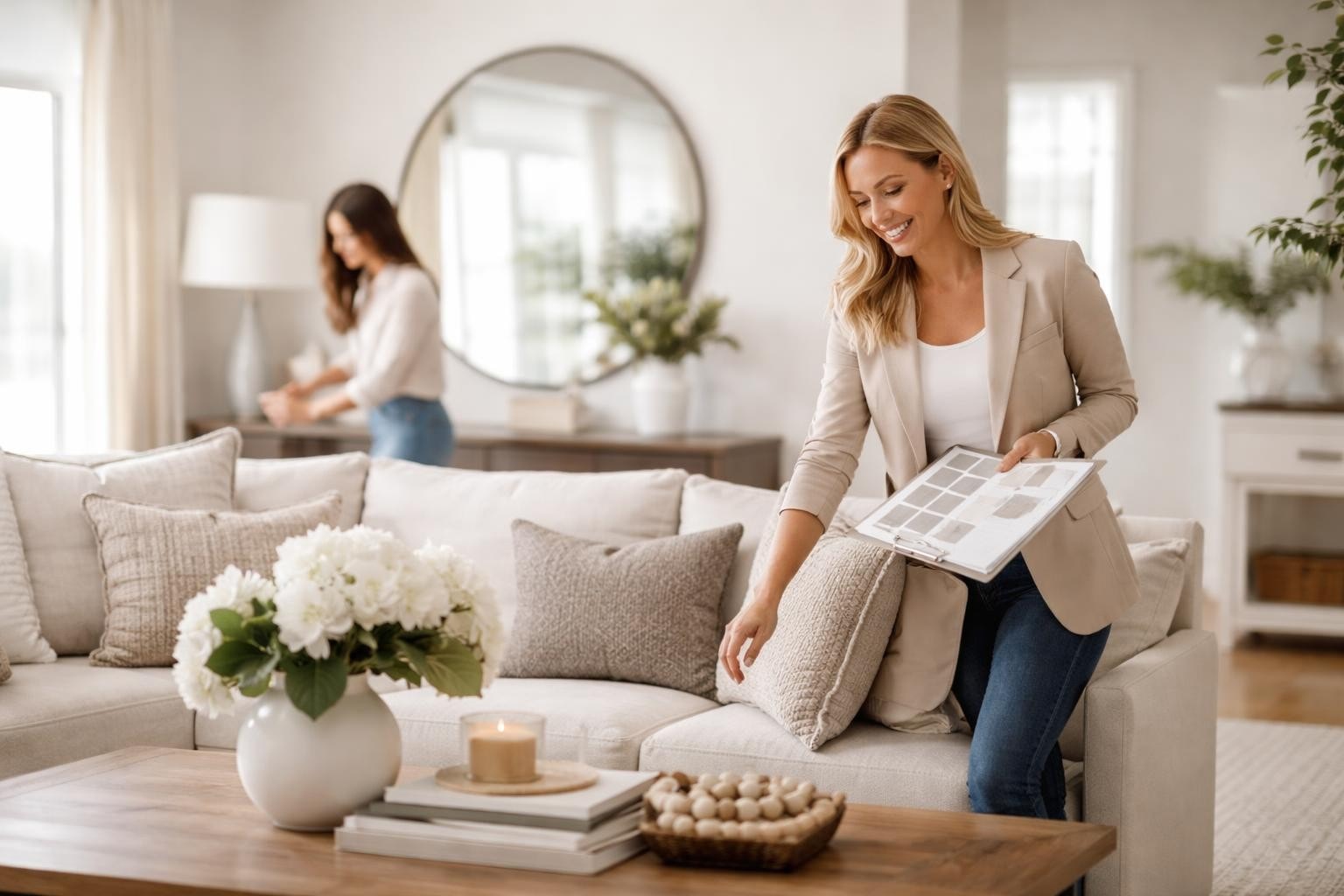

The real estate market in 2026 demands more than attractive properties. It requires strategic presentation that connects emotionally with buyers while showcasing a home's full potential. A staging designer serves as the bridge between empty spaces and sold signs, combining interior design expertise with market psychology to create environments that accelerate sales and increase property values. This specialized professional understands that every room tells a story, and the right narrative can mean the difference between a property sitting on the market for months or receiving multiple offers within days.
Understanding the Staging Designer Role
A staging designer operates at the intersection of interior design, real estate marketing, and consumer psychology. Unlike traditional interior designers who create spaces for long-term living, these professionals craft temporary environments specifically designed to appeal to the broadest pool of potential buyers. Their work involves analyzing property features, identifying target demographics, and implementing design strategies that highlight strengths while minimizing perceived weaknesses.
The core responsibilities extend far beyond furniture arrangement. Staging designers conduct comprehensive property assessments, develop customized staging plans, coordinate furniture and accessory rentals, manage installation teams, and maintain staged properties throughout the listing period. They must balance aesthetic appeal with practical considerations like budget constraints, timeline requirements, and market conditions.
Essential Skills and Qualifications
Success in this field requires a diverse skill set that blends creative vision with business acumen. Professional staging designers typically possess backgrounds in interior design, real estate, or both, though formal certification programs have emerged to standardize industry practices.
Key competencies include:
Spatial planning and furniture arrangement expertise
Color theory and lighting design knowledge
Current design trend awareness and market analytics
Project management and vendor coordination
Client communication and expectation management
Photography styling for listing optimization

Many successful professionals hold certifications from organizations like the Real Estate Staging Association (RESA) or the Home Staging Resource, which provide structured education in staging principles, business operations, and ethical standards. According to best practices in home staging, continuous education in evolving design trends and buyer preferences separates exceptional staging designers from average practitioners.
The Strategic Staging Process
Every successful staging project follows a methodical approach that begins well before furniture arrives at the property. The initial consultation sets the foundation for all subsequent decisions, as the staging designer evaluates the home's architecture, condition, location, and target market segment.
Initial Assessment and Planning
During property walkthrough, designers identify focal points that deserve emphasis and problem areas requiring creative solutions. They consider traffic flow, natural light patterns, room proportions, and existing finishes that will remain during the staging period. This analysis informs recommendations about necessary repairs, paint updates, or minor renovations that will maximize staging effectiveness.
Market research plays an equally critical role. Understanding comparable properties, neighborhood demographics, and current buyer preferences allows staging designers to make data-driven decisions about style direction, investment levels, and feature prioritization.
Assessment Component | Key Considerations | Impact on Strategy |
|---|---|---|
Property Condition | Repairs needed, cosmetic updates | Budget allocation, timeline |
Target Buyer Profile | Age range, lifestyle, income level | Design style, furnishing choices |
Market Competition | Recently sold comparables, active listings | Differentiation approach, pricing |
Photography Requirements | Angles, lighting, seasonal factors | Room prioritization, styling details |
Design Development and Implementation
With assessment complete, the staging designer develops a comprehensive plan that specifies furniture pieces, accessories, artwork, and styling elements for each staged area. This plan considers both in-person viewing experiences and photographic presentation, recognizing that most buyers first encounter properties through online listings.
Implementation timelines vary based on property size and complexity, but most residential stagings install within one to three days. The luxury home staging approach demonstrates how high-end properties require additional attention to detail, layered textures, and statement pieces that communicate quality and sophistication to discerning buyers.
Coordination becomes crucial during installation. Staging designers manage delivery schedules, direct placement teams, and perform final styling that brings the vision to life. This includes precise furniture positioning, accessory layering, and lighting adjustments that create welcoming, aspirational environments.
Design Trends Shaping Staging in 2026
The staging industry continues evolving as buyer preferences shift and new technologies emerge. Today's staging designer must balance timeless appeal with contemporary touches that signal updated, move-in-ready properties.
Current Style Preferences
Transitional design dominates the staging landscape in 2026, offering the perfect middle ground between traditional comfort and modern sophistication. This approach features clean lines softened by warm textures, neutral color palettes accented with organic materials, and classic furniture silhouettes updated with contemporary proportions.
Sustainability has moved from trend to expectation. Buyers increasingly value eco-conscious choices, leading staging designers to incorporate:
Reclaimed wood elements and vintage pieces
Natural fiber textiles and organic materials
Energy-efficient lighting solutions
Low-VOC painted finishes
Biophilic design elements that connect indoor and outdoor spaces
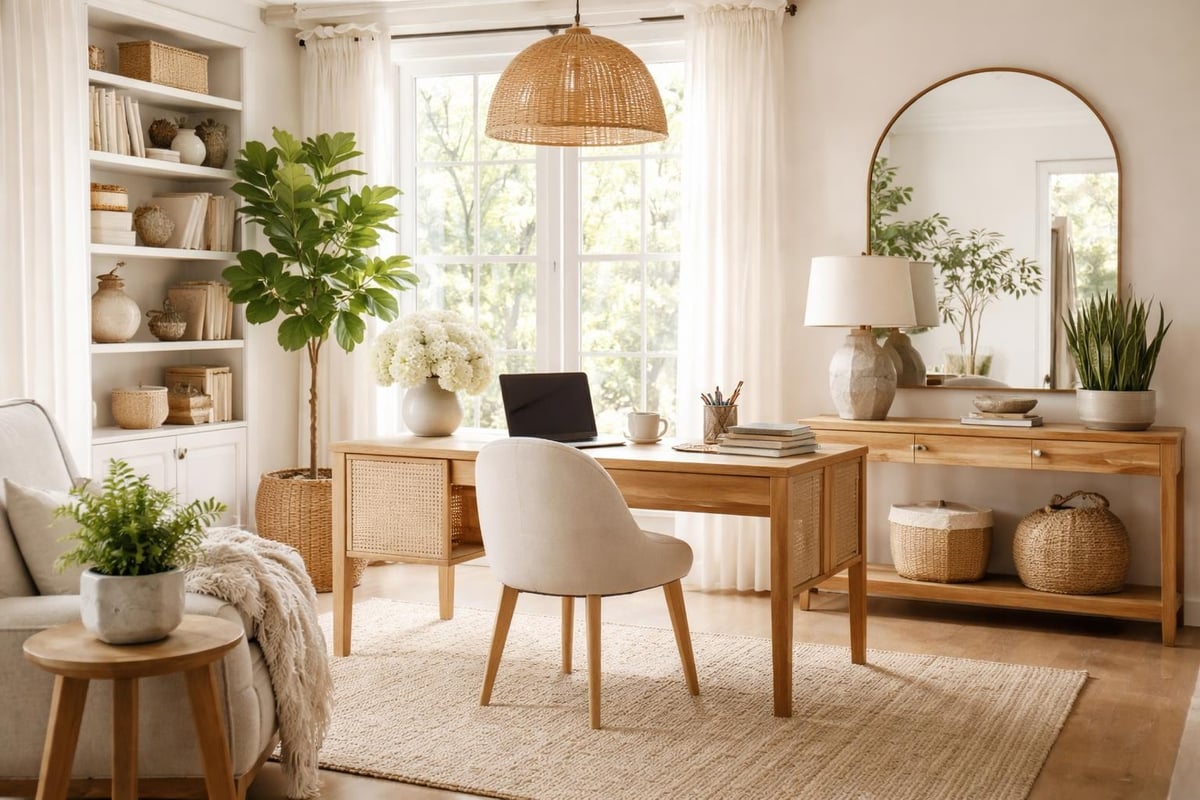
The shift toward remote work continues influencing how staging designers approach home offices and flexible spaces. Dedicated workspace areas receive careful attention, styled to showcase functionality without sacrificing aesthetic appeal. Resources like modern staging interior design principles emphasize the importance of demonstrating how spaces adapt to contemporary lifestyle needs.
Technology Integration
Virtual staging has matured significantly, with virtual staging trends for 2026 showing increased photorealism and AI-powered customization capabilities. While physical staging remains the gold standard for high-value properties, hybrid approaches that combine physical staging in key areas with virtual enhancement in secondary spaces offer cost-effective solutions for certain market segments.
Professional staging designers now collaborate closely with photographers to ensure staged spaces translate effectively across digital platforms. The staging practices for real estate photography highlight critical considerations like camera angles, lighting optimization, and styling adjustments that maximize visual impact in listing photos.
Business Operations and Pricing Strategies
Running a successful staging design business requires more than creative talent. Financial planning, inventory management, and service structuring determine long-term viability and profitability.
Service Packages and Pricing Models
Most staging designers offer tiered service packages that accommodate different property types, price points, and client budgets. This structured approach simplifies decision-making for sellers and agents while ensuring predictable revenue streams.
Common package structures include:
Consultation-only services providing strategic recommendations without implementation
Partial staging packages focusing on key rooms like living areas and primary bedrooms
Full-home staging covering all visible spaces from entry to outdoor areas
Luxury staging featuring premium furnishings, artwork, and enhanced styling details
Pricing typically combines flat fees or percentage-based rates with monthly rental charges for furniture and accessories. Market conditions, property values, and competitive positioning all influence rate structures. The Signature Home Staging Package exemplifies how elevated staging designed for luxury listings incorporates upgraded furniture, layered textures, and refined styling that justifies premium pricing through demonstrated impact on sale prices and days on market.
Inventory Management and Vendor Relationships
Successful staging designers maintain carefully curated inventories that balance versatility with storage costs. Many professionals start with neutral, transitional pieces that work across multiple property styles, gradually expanding to include trend-forward items and specialty pieces for specific markets.
Strategic vendor partnerships prove essential for accessing furniture, accessories, artwork, and specialty items beyond owned inventory. Relationships with rental companies, trade showrooms, and fellow designers create flexibility for unique projects while managing capital requirements.
Marketing and Client Acquisition
Building a thriving staging design practice demands consistent visibility and strategic positioning within the real estate community. The most successful professionals cultivate relationships with real estate agents, who represent the primary referral source for staging projects.
Building Agent Relationships
Real estate agents seek staging designers who deliver reliable results, maintain professional communication, and understand market dynamics. Demonstrating value through case studies, before-and-after photography, and quantifiable outcomes like reduced days on market or increased sale prices builds credibility and trust.
Educational marketing that positions the staging designer as an industry expert generates long-term relationship value. Hosting workshops for agent offices, creating market-specific staging guides, and sharing insights through social media establishes thought leadership that attracts referrals organically.
The portfolio approach showcases completed projects across diverse property types and price points, helping potential clients visualize how staging principles apply to their specific situations. High-quality photography documenting transformation stories provides compelling evidence of staging impact.
Digital Presence and Content Strategy
A professional website serves as the digital storefront for staging design services, featuring portfolio galleries, service descriptions, client testimonials, and clear contact information. Search engine optimization ensures visibility when sellers and agents search for local staging resources.
Content marketing through blog posts, video walkthroughs, and social media engagement builds audience relationships while demonstrating expertise. Topics addressing common seller questions, market trends, and staging best practices attract organic traffic and establish authority within the industry.

Measuring Staging Impact and ROI
Quantifying staging value provides powerful marketing tools while justifying investment for skeptical sellers. Professional staging designers track metrics that demonstrate tangible returns on staging expenditures.
Key Performance Indicators
Data collection begins with pre-staging property assessments documenting original condition, list price, and market positioning. Post-staging metrics include days on market compared to area averages, final sale price relative to asking price, and buyer feedback from showings.
Metric | Pre-Staging Average | Post-Staging Average | Improvement |
|---|---|---|---|
Days on Market | 67 days | 23 days | 66% reduction |
Sale Price vs. List | 94% of asking | 99% of asking | 5% increase |
Showing-to-Offer Ratio | 1:12 | 1:4 | 200% improvement |
Online Engagement | 340 views | 1,240 views | 265% increase |
These statistics, collected from case studies like the Catalina Blvd project, demonstrate how professional staging accelerates sales while often increasing final sale prices beyond the staging investment.
Client Testimonials and Referral Generation
Satisfied clients provide the most persuasive marketing messages. Staging designers who systematically collect testimonials, encourage online reviews, and request referrals build self-sustaining business development systems that reduce acquisition costs over time.
Following up after sale closing creates opportunities to gather success stories while the positive experience remains fresh. Many designers implement automated systems that request feedback at strategic intervals, making testimonial collection a routine business practice rather than an afterthought.
Navigating Industry Challenges
Like any professional service, staging design presents specific challenges that require creative problem-solving and adaptive strategies.
Budget Constraints and Value Communication
Not every seller immediately recognizes staging value or allocates sufficient budget for comprehensive implementation. Effective staging designers develop communication frameworks that connect staging investment to net proceeds at closing, reframing costs as value-generating expenses rather than unnecessary luxuries.
Flexible package options allow entry at various investment levels, with consultation services providing cost-effective starting points for budget-conscious clients. Many designers offer phased approaches that prioritize high-impact areas, with optional additions as budgets allow or market response dictates.
Property-Specific Limitations
Challenging properties test staging designer creativity and problem-solving abilities. Awkward layouts, poor lighting, dated finishes, or neglected maintenance require strategic approaches that minimize negative perceptions while emphasizing positive attributes.
Sometimes the best staging advice involves recommending pre-listing improvements that address fundamental issues before furniture arrives. Professional staging designers recognize when paint, flooring updates, or minor repairs will deliver greater impact than styling alone, positioning themselves as trusted advisors rather than vendors pushing services.
The services offered by experienced staging companies often include consultation on these preparatory improvements, ensuring properties present optimally once staging implementation begins.
Building Long-Term Success
Sustainable staging design careers require continuous learning, business development, and service evolution that keeps pace with market changes and client needs.
Professional Development and Education
Industry conferences, certification programs, and peer networking provide opportunities to refine skills, discover emerging trends, and exchange best practices with fellow professionals. The staging designer who invests in ongoing education maintains competitive advantages in increasingly sophisticated markets.
Design showroom visits, trade publications, and social media trend monitoring keep aesthetic sensibilities current and relevant. Understanding what resonates with today's buyers requires constant exposure to evolving preferences and cultural influences shaping residential design.
Scaling Operations and Team Building
Growing beyond solo operations introduces new challenges and opportunities. Many successful staging designers expand through assistant hires who handle logistics, installation support, and administrative tasks, freeing principals to focus on client relationships and creative direction.
Some professionals build larger operations with multiple design teams serving broader geographic areas or specialized market segments. Others maintain boutique practices emphasizing personalized service and direct principal involvement in every project. Neither approach proves universally superior; success depends on individual goals, market dynamics, and personal preferences regarding business complexity.
Professional staging designers transform properties into compelling market offerings that connect with buyers emotionally while showcasing practical functionality. The combination of design expertise, market knowledge, and strategic implementation creates measurable value that accelerates sales and often increases final sale prices significantly. Whether you're preparing a luxury estate or a cozy starter home for market, Stage Joy brings extensive staging and interior design experience to highlight your property's best features through customized, budget-friendly solutions that appeal to San Diego buyers.