
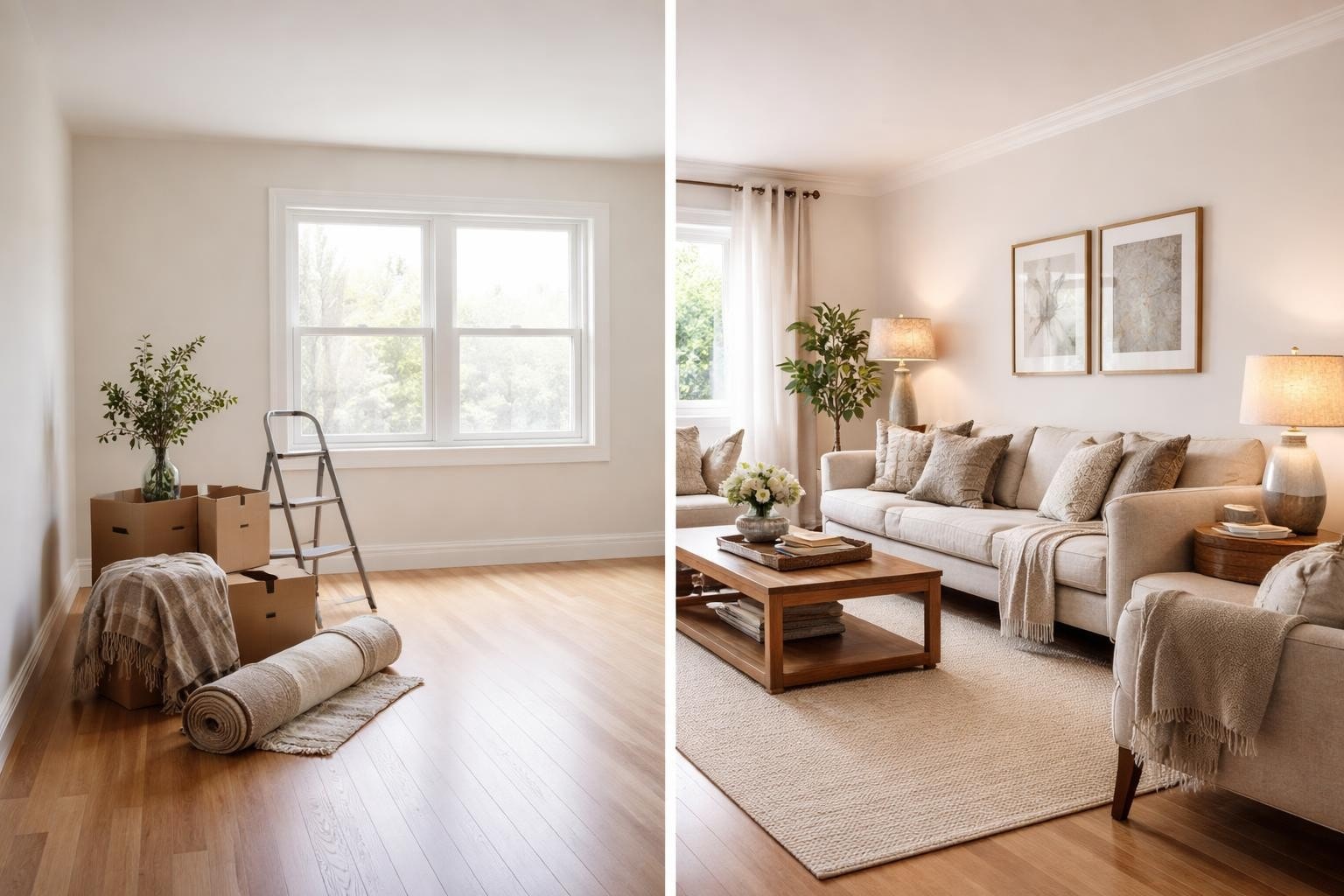

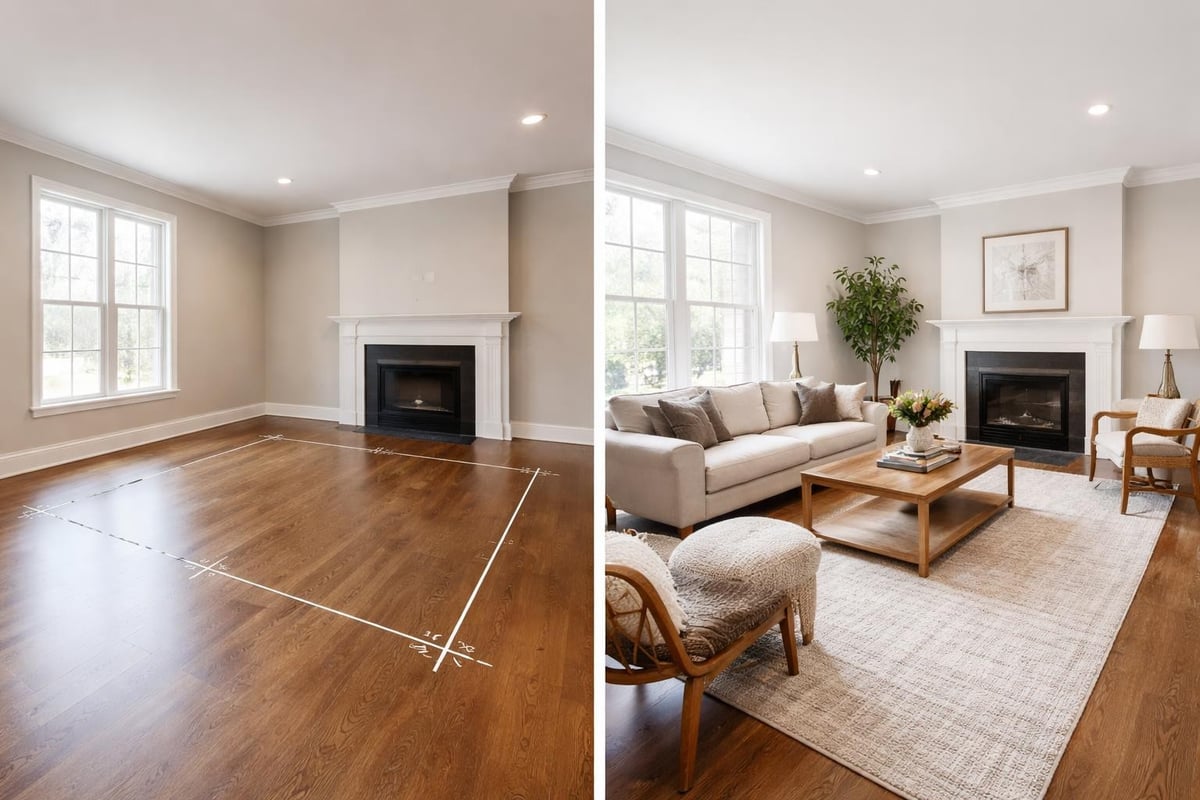
Empty rooms pose a unique challenge in real estate. Without furniture, decor, or personal touches, vacant properties often appear smaller, darker, and less inviting than their occupied counterparts. Buyers struggle to visualize how spaces function, and many simply walk away unmoved. This is where vacant home staging becomes a critical tool for sellers and real estate professionals. By strategically furnishing and styling empty properties, staging transforms cold, echoing rooms into warm, aspirational spaces that help potential buyers imagine their future lives unfolding within those walls.
Why Vacant Home Staging Matters in 2026's Market
The real estate landscape has evolved considerably, and buyer expectations continue to rise. Most homebuyers begin their search online, scrolling through dozens of listings before deciding which properties deserve an in-person visit. Vacant homes photographed without staging often fail to make the shortlist.
Research consistently shows that staged homes sell faster and for higher prices than unstaged counterparts. Statistics demonstrate how staging can reduce time on the market and potentially increase selling prices, making it a worthwhile investment for sellers looking to maximize returns.
The psychology behind staging runs deeper than aesthetics. Furnished rooms provide:
Scale reference that helps buyers understand room dimensions
Traffic flow patterns that demonstrate functionality
Emotional connections through lifestyle cues
Memory anchors that make properties more memorable after viewings
Empty spaces fail to create these crucial mental connections. Buyers often remember staged homes more vividly than vacant ones, even weeks after touring multiple properties.
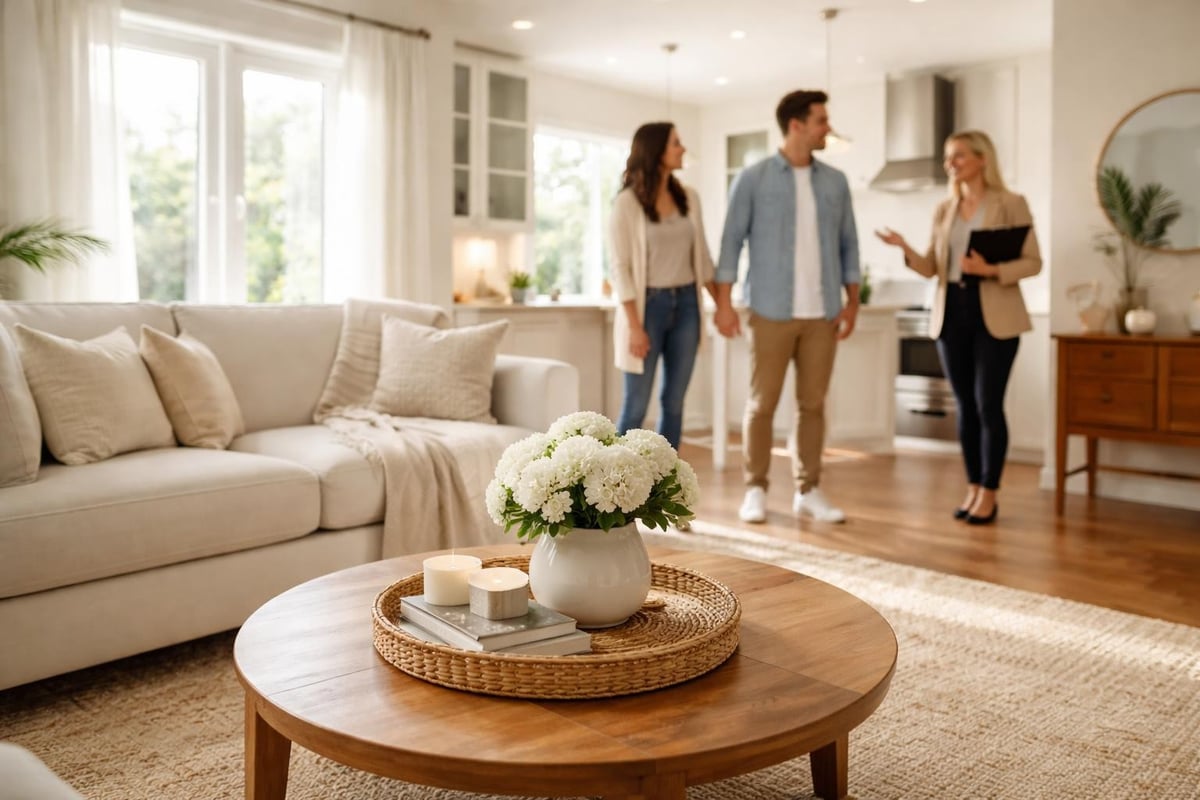
Essential Elements of Effective Vacant Home Staging
Successful vacant home staging requires more than randomly placing furniture in empty rooms. A strategic approach considers the property's architecture, target buyer demographics, and current market trends.
Focus on High-Impact Rooms First
Budget constraints often require prioritizing certain spaces over others. The following rooms deliver maximum return on staging investment:
Living room - The primary gathering space sets the tone for the entire home
Primary bedroom - Creates the sanctuary feeling buyers crave
Kitchen and dining area - Central to family life and entertaining
Entry/foyer - First impressions shape the entire viewing experience
Secondary bedrooms, offices, and bonus spaces can often be staged minimally or left empty if budget limitations exist. Staging vacant homes on a budget requires strategic focus on these key areas that influence buyer decisions most directly.
Furniture Selection and Placement
The furniture chosen for vacant home staging should accomplish specific goals beyond simply filling space. Pieces need to be appropriately scaled for room dimensions, as oversized furniture makes rooms feel cramped while undersized pieces make spaces appear awkwardly large.
Staging Goal | Furniture Strategy | Buyer Impact |
|---|---|---|
Show room scale | Right-sized seating and tables | Helps visualize personal furniture fit |
Define purpose | Specific furniture types (desk for office) | Clarifies room function |
Create flow | Strategic placement with pathways | Demonstrates usability |
Add warmth | Textured fabrics and layered elements | Builds emotional connection |
Professional staging companies maintain diverse furniture inventories that can be mixed and matched to suit different property styles, from modern condos to traditional family homes. This flexibility ensures each staged space feels authentic rather than generic.
Room-by-Room Vacant Home Staging Strategies
Different rooms require distinct staging approaches based on their function and the emotions they should evoke in potential buyers.
Living Spaces That Invite Connection
Living rooms serve as the emotional heart of a home. Effective staging in these spaces creates conversation areas that suggest gathering, relaxation, and comfort. A well-styled sofa with coordinating chairs, a coffee table, and strategic lighting transforms an echoing box into a welcoming retreat.
Expert strategies for staging vacant homes emphasize the importance of creating focal points. In living rooms, this might be a fireplace, large window with a view, or an architectural feature that furniture arrangement highlights rather than obscures.
Layering elements adds depth and interest:
Area rugs define zones and add warmth
Throw pillows introduce color and texture
Table lamps create ambient lighting beyond harsh overhead fixtures
Artwork adds personality without overwhelming
Greenery brings life to static spaces
Bedrooms as Personal Sanctuaries
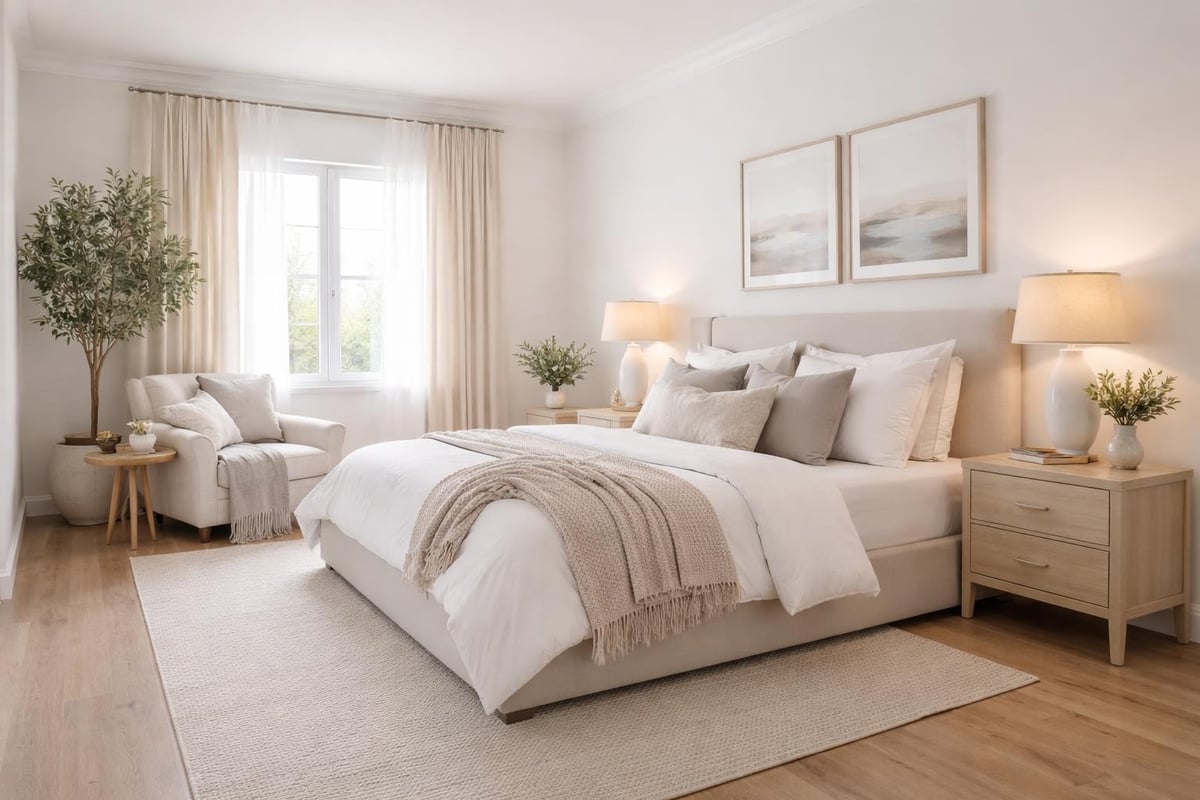
Primary bedrooms need to communicate rest, relaxation, and escape from daily pressures. A quality bed with coordinating nightstands, soft lighting, and luxurious bedding creates this sanctuary atmosphere even in vacant properties.
Staging should help buyers mentally claim the space as their own. Neutral palettes work best, allowing viewers to project their personal style onto the room. However, complete sterility feels cold. Adding subtle texture through bedding, window treatments, and a few carefully selected accessories strikes the right balance.
Kitchens and Dining Areas
While kitchens come with built-in cabinetry and appliances, vacant home staging can still enhance these critical spaces. A simple dining table with chairs defines the eating area and helps buyers visualize family meals and entertaining.
Kitchen countertop styling should be minimal but intentional:
A bowl of fresh fruit adds color and life
A coffee station suggests morning routines
Quality hand towels and soap dispensers indicate attention to detail
Completely bare counters feel sterile and uninviting
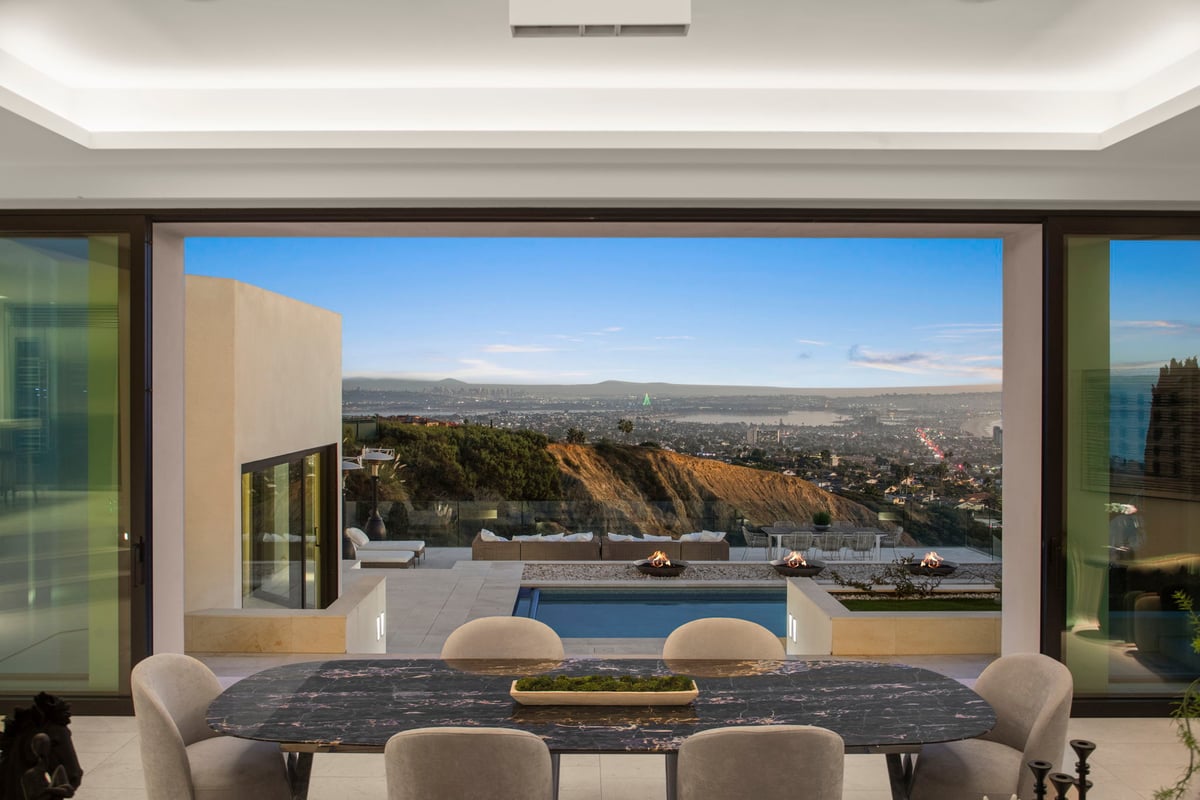
For properties marketed toward luxury buyers, high-end staging designed to maximize property value can transform kitchens and dining areas into showpieces that justify premium pricing.
Common Vacant Home Staging Mistakes to Avoid
Even well-intentioned staging efforts can backfire when common pitfalls aren't avoided. Understanding essential do's and don'ts helps prevent costly mistakes.
Overcrowding Spaces
The impulse to fill every corner often leads to cramped, cluttered-looking rooms. Vacant home staging should suggest how spaces can be used, not demonstrate how much furniture can physically fit. Maintaining clear pathways and adequate breathing room around furniture pieces prevents the overcrowded trap.
Using Inappropriate Styles
Staging style should complement the home's architecture and appeal to target buyers. A mid-century modern condo staged with traditional furniture creates cognitive dissonance. Similarly, a classic colonial home staged with ultra-contemporary pieces feels inauthentic.
Research the neighborhood and typical buyer demographics before selecting furniture and decor. Stage Joy's portfolio demonstrates how staging style adapts to different property types while maintaining cohesive design principles.
Neglecting Maintenance and Cleanliness
No amount of beautiful furniture compensates for dirty windows, scuffed walls, or worn flooring. Essential preparation steps like thorough cleaning, minor repairs, and fresh paint must precede staging installation.
Pre-staging checklist includes:
Deep cleaning all surfaces, floors, and windows
Repairing obvious damage (holes, cracks, broken fixtures)
Fresh neutral paint where needed
Ensuring all light fixtures work with appropriate bulbs
Addressing any odors from pets, smoke, or mustiness
Budget-Friendly Vacant Home Staging Approaches
Professional vacant home staging delivers measurable results, but budget concerns often arise, especially for sellers managing multiple carrying costs. Several strategies can reduce expenses while maintaining impact.
Partial Staging Solutions
Rather than staging an entire home, focus resources on the spaces that matter most. Living room, primary bedroom, and dining area staging often suffices to create the desired effect. Practical tips for budget-conscious sellers include mixing professional staging in key rooms with DIY touches in secondary spaces.
Rental vs. Purchase Considerations
Most professional staging companies offer furniture rental packages designed specifically for real estate staging. This approach provides access to high-quality, current pieces without the expense of purchase. Stage Joy's budget-friendly packages demonstrate how rental programs can accommodate various price points without sacrificing quality.
Approach | Best For | Typical Cost Range | Timeline |
|---|---|---|---|
Full professional staging | High-value properties | $3,000-$10,000+ | 1-3 months rental |
Partial staging | Mid-range homes | $1,500-$4,000 | 1-3 months rental |
DIY with rentals | Budget-conscious sellers | $800-$2,000 | Flexible |
Virtual staging | Very tight budgets | $50-$200 per room | Photos only |
Virtual Staging Considerations
Digital staging has emerged as an ultra-budget option, where furniture and decor are added to listing photos through software. While dramatically less expensive than physical staging, virtual staging comes with limitations. Buyers who tour the property in person after seeing virtually staged photos may feel deceived upon encountering empty rooms.
Virtual staging works best when clearly disclosed and used to supplement rather than replace physical staging efforts. Some sellers use virtual staging for online listings while physically staging only during scheduled showings.
The Staging Timeline and Process
Understanding the vacant home staging process helps sellers plan effectively and coordinate with other sale preparations.
Initial Consultation and Planning
Professional staging begins with property assessment. Stage Joy's experienced team evaluates room dimensions, existing features, target buyer profile, and budget parameters before developing a customized staging plan.
This consultation identifies:
Which rooms require staging priority
Appropriate furniture styles and quantities
Color schemes that complement existing finishes
Lighting needs and solutions
Expected installation timeline
Installation and Styling
Once furniture arrives, professional stagers typically complete installation within one day for most residential properties. This includes furniture placement, accessory styling, and final adjustments to ensure everything photographs beautifully.
Timing staging installation requires coordination with:
Final cleaning and any touch-up painting
Professional photography scheduling
Listing launch date
Open house or showing schedule
Most sellers keep staging in place until closing, though some opt for removal after an accepted offer to reduce costs.
Measuring Vacant Home Staging Success
The true value of vacant home staging appears in measurable market results. Properties staged professionally typically experience faster sales at higher prices compared to vacant, unstaged alternatives.
Market Time Reduction
Days on market directly impact seller carrying costs and negotiating position. Research on vacant home staging impact shows staged homes often sell 73% faster than unstaged properties, significantly reducing mortgage payments, utilities, insurance, and taxes sellers must cover.
Price Premium Achievement
Beyond speed, staging frequently enables higher sale prices. When buyers can envision themselves in a space, they form emotional attachments that reduce price sensitivity. Multiple competing offers become more likely when properties stand out from other listings.
Reduced Price Reductions
Perhaps most importantly, well-staged vacant homes rarely require price reductions. Unstaged vacant properties often languish on the market, forcing sellers into successive price cuts that can total more than professional staging would have cost initially.
San Diego Market Considerations
Local market conditions influence staging strategies and expectations. San Diego's competitive real estate environment, diverse property types, and sophisticated buyer pool make professional vacant home staging particularly valuable.
The region's indoor-outdoor lifestyle expectations mean staging shouldn't stop at interior spaces. Outdoor areas, when properly staged with furniture and plants, extend living spaces and showcase California's year-round pleasant weather.
Transforming empty spaces into buyer magnets requires understanding local buyer preferences, from coastal contemporary aesthetics in beach communities to more traditional styling in inland neighborhoods.
Working with Professional Staging Companies
Selecting the right staging partner significantly impacts results. Look for companies with extensive portfolios demonstrating versatility across property types and price points.
Key selection criteria include:
Years of experience and industry credentials
Portfolio quality and style range
Transparent pricing with clear package options
Furniture inventory quality and condition
Client testimonials and references
Photography coordination services
Flexibility in customizing solutions
Stage Joy's combination of design expertise and budget-conscious options makes professional vacant home staging accessible across various price points in the San Diego market.
Seasonal and Trend Considerations
Home staging evolves with design trends while maintaining timeless appeal. Current 2026 trends favor organic textures, sustainable materials, and biophilic design elements that connect indoor spaces with nature.
However, chasing trendy looks too aggressively risks dating a property. The most effective vacant home staging balances current aesthetics with classic elements that won't feel outdated quickly.
Seasonal considerations affect staging choices:
Spring staging emphasizes light, fresh colors and floral elements
Summer staging highlights outdoor spaces and airy interiors
Fall staging introduces warmer tones and cozy textures
Winter staging focuses on hygge elements and ambient lighting
These subtle seasonal adjustments keep staged properties feeling current and relevant to when buyers are actively shopping.
Long-Term Benefits Beyond the Sale
While vacant home staging primarily serves immediate sale goals, the process often provides sellers with valuable insights about their properties. Seeing how professional stagers highlight architectural features and optimize room functions can inform future design decisions.
For real estate investors and house flippers, building relationships with professional staging companies creates ongoing partnerships that streamline future projects. Top tips for staging success become second nature, improving property selection and renovation decisions.
Vacant home staging transforms empty properties from forgettable spaces into memorable homes that buyers eagerly compete to own. By strategically furnishing key rooms, creating emotional connections, and highlighting a property's best features, staging delivers measurable results through faster sales and stronger prices. Whether you're preparing a luxury estate or a starter home, professional vacant home staging represents a smart investment in your property's market success. Stage Joy brings extensive staging expertise and flexible, budget-friendly solutions to San Diego sellers ready to showcase their properties at their absolute best. Contact the team today to discuss how customized staging can help your vacant property stand out and sell faster.