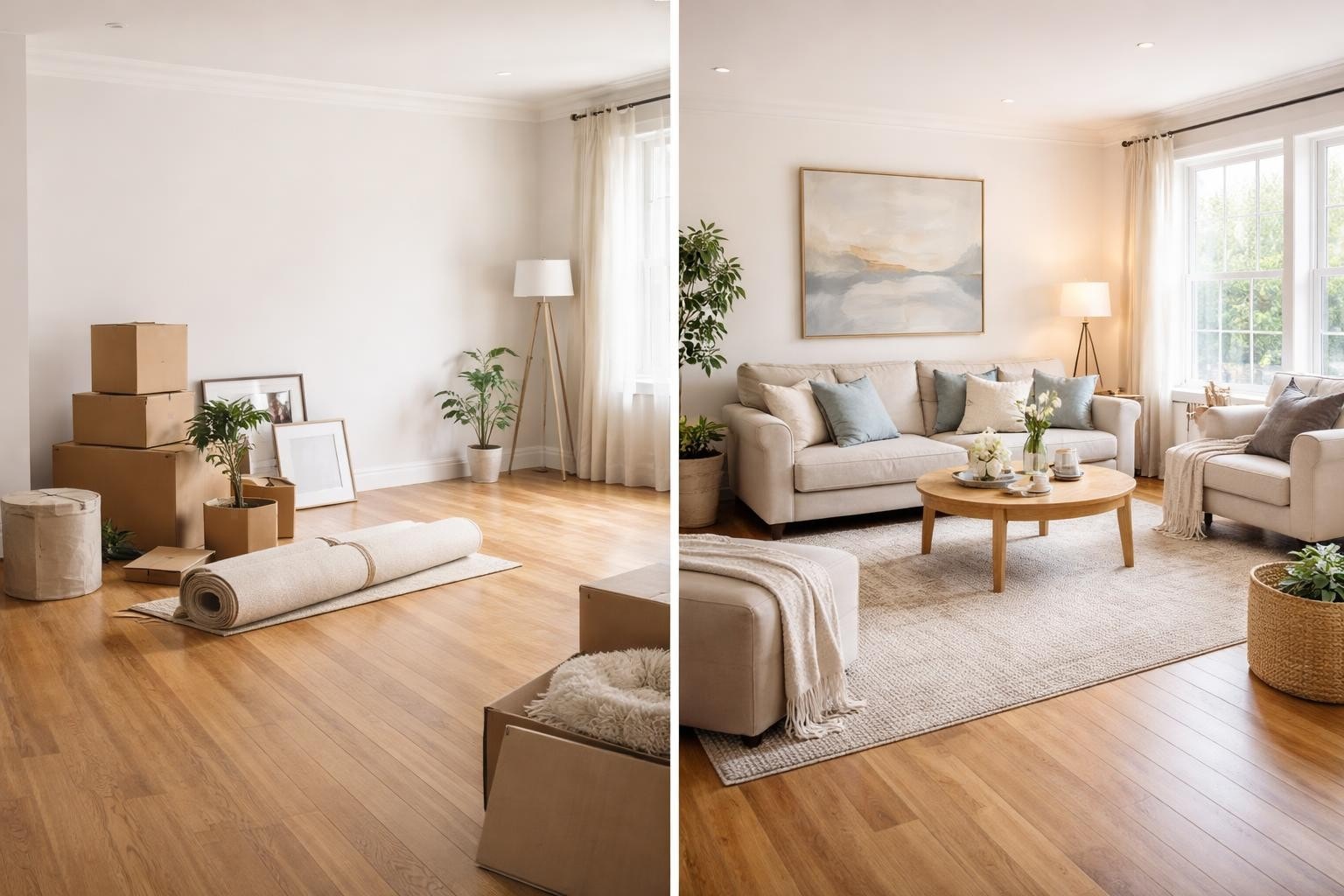

When selling a home in today's competitive real estate market, presentation makes all the difference between a property that lingers on the market and one that attracts multiple offers. Vesta home staging has emerged as a recognized name in the industry, demonstrating how strategic design choices can dramatically impact a property's perceived value and marketability. Understanding the principles behind professional staging services like those offered by Vesta can help homeowners, real estate agents, and investors make informed decisions about preparing properties for sale.
The Evolution of Professional Home Staging
The home staging industry has undergone significant transformation over the past decade. What began as simple furniture arrangement has evolved into a sophisticated design discipline that combines psychology, market research, and interior design expertise. Vesta home staging exemplifies this evolution, having completed thousands of projects and contributed to billions in real estate transactions.
According to Vesta Home's official staging services page, the company has facilitated over $5 billion in annual sales transactions, showcasing the substantial impact professional staging can have on the real estate market. This level of activity demonstrates how staging has moved from optional enhancement to essential marketing tool.
Industry Growth and Market Demand
The staging industry continues to expand as data consistently proves its effectiveness. Recent statistics show that staged homes sell faster and often for higher prices than unstaged properties. This trend has prompted more real estate professionals to recommend staging as a standard practice rather than a luxury add-on.
Several factors drive this growth:
Increased competition in real estate markets
Buyer expectations shaped by online listing photos
Recognition of staging's return on investment
Professional photography requirements for digital marketing
Shifting demographics and buyer preferences
The connection between home staging statistics and actual sales outcomes has strengthened the business case for professional staging services across all price points.
Strategic Approaches in Vesta Home Staging
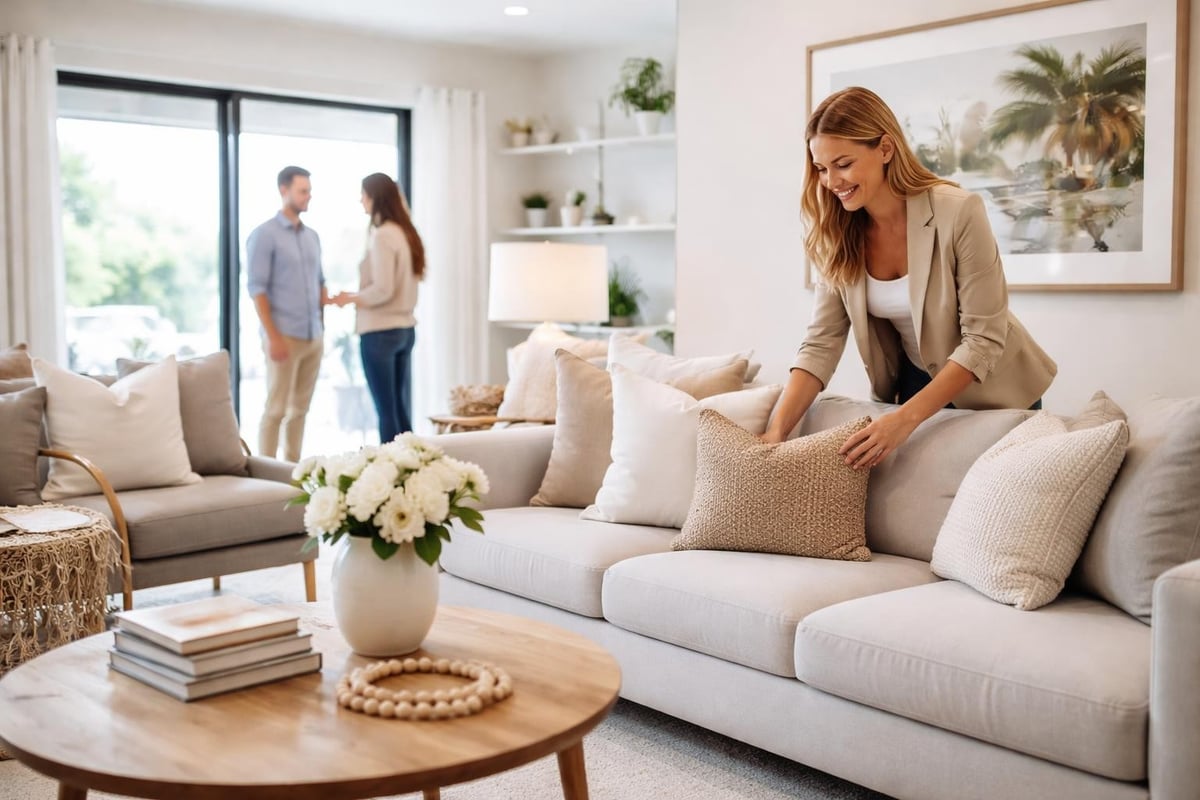
Professional staging companies like Vesta employ specific methodologies to maximize property appeal. Their approach typically begins with comprehensive property assessment, identifying both strengths to highlight and weaknesses to minimize through thoughtful design interventions.
Property Assessment and Design Planning
The staging process starts with understanding the target buyer demographic. Vesta home staging professionals analyze neighborhood characteristics, price point expectations, and current market conditions to create tailored design strategies. This research-driven approach ensures that staging choices align with buyer preferences rather than relying on generic design formulas.
Key assessment factors include:
Architectural style and period of the property
Natural light patterns throughout the day
Room proportions and traffic flow
Existing finishes and their condition
Competitive listings in the same market segment
This analytical foundation allows staging professionals to make strategic decisions about furniture selection, color palettes, and spatial arrangements that resonate with prospective buyers.
Furniture and Accessory Selection
One distinguishing feature of professional staging is the careful curation of furnishings and decorative elements. Vesta home staging services maintain extensive inventories of furniture pieces, artwork, and accessories that can be mixed and matched to suit different property styles and buyer demographics.
Design Element | Purpose | Impact on Buyers |
|---|---|---|
Neutral color palettes | Create broad appeal | Helps buyers envision their belongings |
Appropriately scaled furniture | Define spaces clearly | Makes rooms appear properly proportioned |
Layered textures | Add visual interest | Creates warmth and sophistication |
Strategic lighting | Enhance ambiance | Highlights architectural features |
Curated accessories | Complete the look | Suggests lifestyle possibilities |
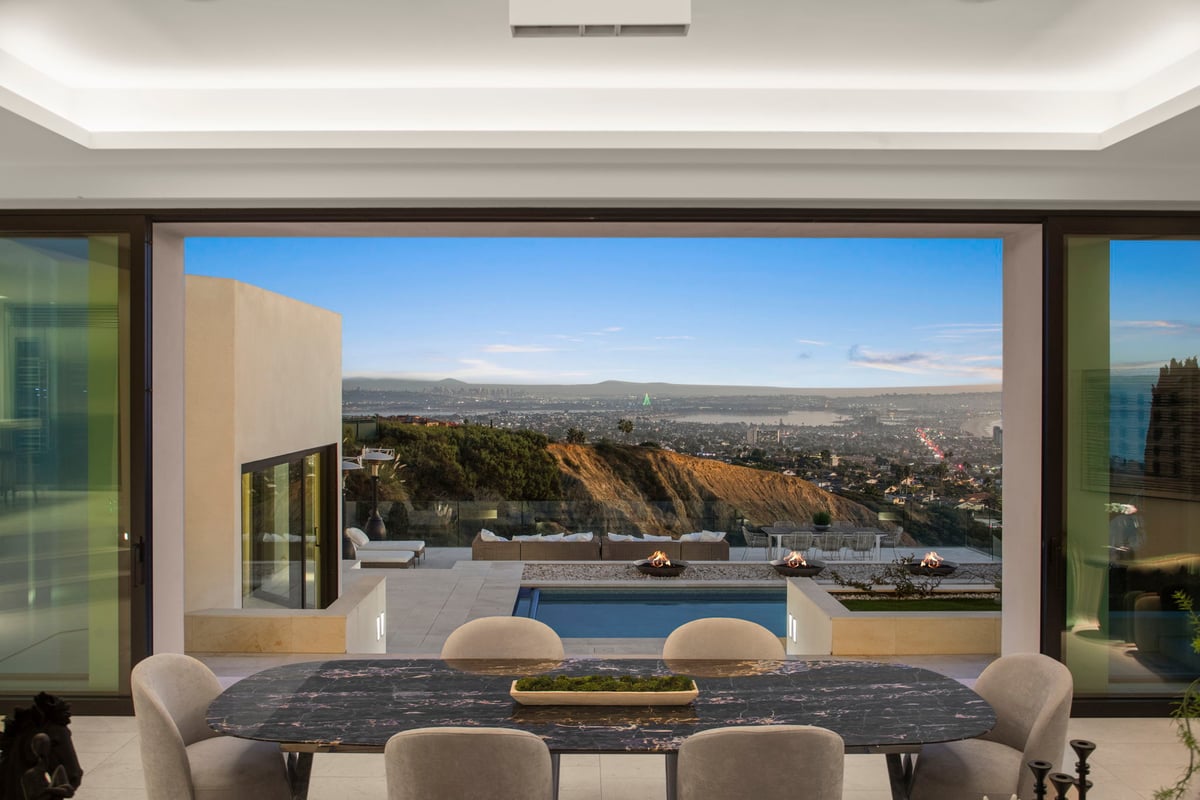
For properties in the luxury segment, staging takes on additional complexity. Premium furniture, statement pieces, and refined styling create an aspirational presentation that justifies higher price points and attracts discerning buyers.
Current Trends Shaping Home Staging
The staging industry constantly evolves to reflect changing design preferences and buyer expectations. Understanding these trends helps explain why companies like Vesta continue to invest in new inventory, training, and design approaches.
Sustainable and Eco-Conscious Design
Environmental awareness has permeated home staging practices. 2025 home staging trends highlight the growing importance of sustainable materials, energy-efficient lighting, and eco-friendly accessories in staged properties. This shift reflects broader consumer values and can enhance property appeal among environmentally conscious buyers.
Sustainable staging elements include:
Furniture made from reclaimed or certified sustainable wood
Organic textiles and natural fiber rugs
LED lighting throughout staged areas
Low-VOC finishes and materials
Plants and biophilic design elements
Biophilic Design Integration
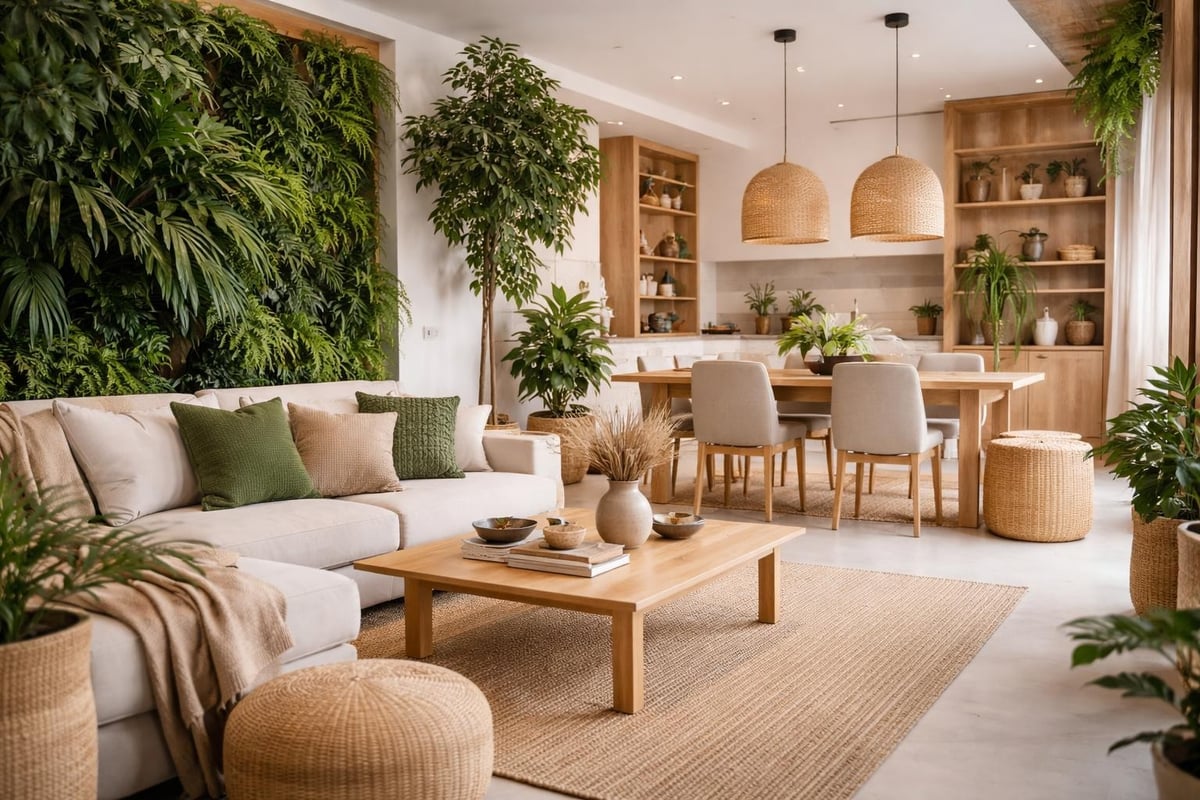
The incorporation of natural elements into interior spaces continues gaining momentum. Emerging staging trends emphasize biophilic design principles that connect indoor environments with nature through plants, natural materials, and organic forms.
Vesta home staging professionals often incorporate these elements to create spaces that feel both contemporary and calming. This approach particularly resonates with buyers seeking homes that support wellness and work-from-home functionality.
The Business Model Behind Staging Success
Understanding how professional staging companies operate reveals why services like vesta home staging have achieved industry prominence. The business model combines design expertise with logistics, inventory management, and client service.
Service Packages and Customization
Most established staging companies offer tiered service packages to accommodate different property types and budget levels. This structure allows clients to select appropriate staging intensity based on their specific needs and expected return on investment.
Common package tiers include:
Consultation only - Professional advice without physical staging
Partial staging - Focus on key rooms like living areas and primary bedroom
Full staging - Complete home transformation
Luxury staging - Premium furniture and extensive styling
The flexibility to customize within these frameworks distinguishes professional services from one-size-fits-all approaches. For instance, luxury home staging offerings provide elevated furniture selections, layered textures, and refined styling specifically designed for high-end properties where presentation directly impacts perceived value.
Strategic Expansion and Industry Positioning
The staging industry has seen consolidation and strategic growth as successful companies expand their market reach. Vesta Home's acquisition of design firms demonstrates how leading companies strengthen their capabilities and market position through strategic partnerships.
This expansion strategy allows staging companies to:
Access broader design talent and fresh perspectives
Expand geographic coverage and market penetration
Diversify service offerings beyond traditional staging
Strengthen relationships with real estate professionals
Build brand recognition in competitive markets
Measuring Staging Impact and ROI
Quantifying the value of professional staging helps justify the investment and demonstrates why services like vesta home staging continue attracting clients. Multiple metrics reveal staging effectiveness beyond anecdotal success stories.
Time on Market Reduction
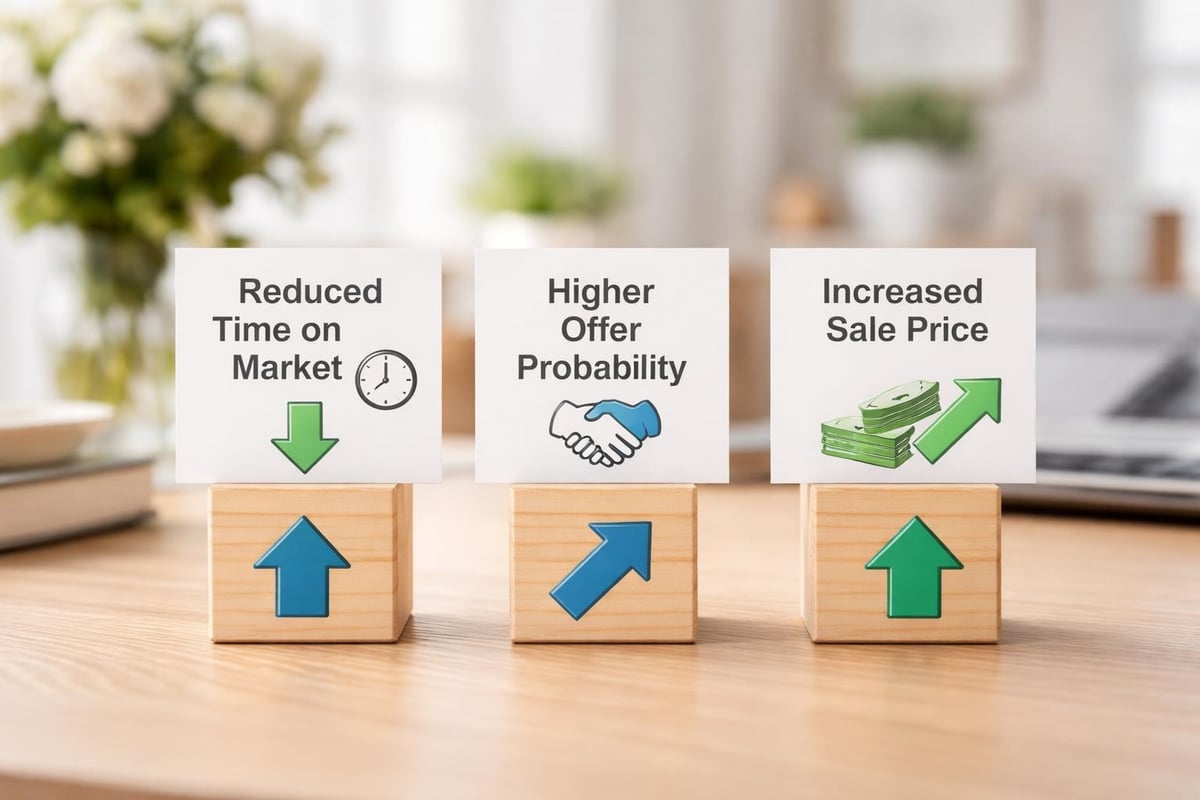
One of the most compelling staging benefits is shortened selling timelines. Staged properties typically sell significantly faster than comparable unstaged homes, reducing carrying costs for sellers and accelerating transaction closures for agents.
Property Status | Average Days on Market | Offer Probability |
|---|---|---|
Professionally staged | 23-35 days | 85-90% |
Vacant unstaged | 60-90 days | 45-55% |
Owner-occupied unstaged | 45-70 days | 60-70% |
These time savings translate directly into cost reductions for sellers paying mortgages, utilities, insurance, and maintenance on properties awaiting sale.
Price Achievement and Multiple Offers
Beyond faster sales, staging frequently contributes to higher final sale prices. Well-staged homes often generate multiple offers, creating competitive bidding situations that drive prices above asking. This outcome particularly benefits sellers in markets where inventory levels have increased.
The psychology behind this phenomenon is straightforward. Professionally staged homes photograph better, show better, and allow buyers to emotionally connect with the space. This emotional engagement translates into stronger offers and greater willingness to meet seller price expectations.
Design Psychology in Effective Staging
Professional staging leverages psychological principles to influence buyer perception and decision-making. Vesta home staging and similar services apply these insights to create environments that resonate with target buyers on both conscious and subconscious levels.
Spatial Perception and Flow
How buyers experience physical space dramatically affects their property assessment. Staging addresses spatial perception through furniture placement that defines room purposes, creates natural traffic patterns, and makes spaces feel appropriately sized.
Effective spatial staging includes:
Clear pathways that guide movement through the home
Furniture arrangements that define conversation areas
Open sightlines that make spaces feel larger
Proper furniture scale that complements room dimensions
Designated functional zones in multi-purpose rooms
Color Psychology and Emotional Response
Color choices in staged homes serve strategic purposes beyond aesthetics. Neutral palettes dominate professional staging because they provide the broadest appeal, but accent colors are carefully selected to evoke specific emotional responses.
Warm neutrals create welcoming, comfortable environments. Cool grays suggest sophistication and modernity. Strategic color accents in accessories and artwork add personality without overwhelming the space or limiting buyer imagination.
Technology Integration in Modern Staging
The staging industry increasingly incorporates technology to enhance services and expand capabilities. From virtual staging to AI-assisted design planning, technological tools complement traditional design expertise.
Virtual Staging Applications
Digital staging has emerged as a cost-effective alternative for certain properties and situations. While not replacing physical staging for high-value properties, virtual staging serves specific niches effectively, particularly for preliminary marketing or properties in remote locations.
However, vesta home staging and established physical staging companies maintain that nothing replaces the impact of walking through a professionally furnished home. The tactile experience, spatial understanding, and emotional connection possible with physical staging cannot be fully replicated digitally.
Design Planning and Visualization Tools
Professional stagers now use sophisticated software for space planning, furniture selection, and client presentations. These tools streamline the design process and help clients visualize proposed staging concepts before implementation.
Training and Professional Development
The expertise behind successful staging companies comes from ongoing education and professional development. Vesta home staging professionals and others in the industry continuously refine their skills through training programs, market research, and exposure to evolving design trends.
Industry Certifications and Standards
Several organizations offer staging certifications that establish baseline competencies and ethical standards. While certification alone doesn't guarantee quality, it demonstrates professional commitment and foundational knowledge.
Experienced stagers also stay current through:
Regular market research and trend analysis
Networking with real estate professionals
Attending industry conferences and workshops
Following interior design and architectural publications
Analyzing successful staging projects and outcomes
This commitment to professional growth ensures staging strategies remain relevant and effective as market conditions and buyer preferences evolve.
Working with Real Estate Professionals
Successful staging companies build strong relationships with real estate agents, brokers, and property investors. These partnerships create referral networks that sustain staging businesses while providing agents with trusted resources for their clients.
Collaborative Approach to Property Presentation
The most effective staging outcomes result from collaboration between stagers, agents, and sellers. Each party contributes unique insights: stagers provide design expertise, agents offer market knowledge, and sellers understand the property's history and features.
This collaborative process typically includes:
Initial property walkthrough with all stakeholders
Discussion of target buyer demographics and competition
Budget establishment and package selection
Staging design proposal and timeline
Implementation and final photography coordination
When considering professional staging services, homeowners and agents should look for providers who demonstrate this collaborative mindset. The comprehensive staging services offered by experienced companies reflect this partnership approach, ensuring all parties work toward the common goal of successful property sale.
Regional Market Considerations
Staging strategies must account for regional differences in architecture, buyer preferences, and market conditions. What works effectively in one market may require adaptation for another, and successful staging companies understand these nuances.
Climate and Lifestyle Factors
Regional climate influences staging choices, from color palettes that complement local light quality to furniture selections that reflect regional lifestyle preferences. Coastal markets might emphasize indoor-outdoor living, while urban markets focus on space efficiency and contemporary design.
Vesta home staging services adapt to these regional variations, ensuring staged properties feel appropriate for their specific markets while maintaining design quality and buyer appeal.
Professional home staging has proven its value in helping properties sell faster and for optimal prices. Whether you're preparing a luxury listing or a more modest property, the strategic design principles and market insights employed by experienced staging companies can make a substantial difference in your selling success. Stage Joy brings this expertise to the San Diego market with customized staging solutions that highlight your property's best features while fitting your budget and timeline, helping you achieve the results that matter most in today's competitive real estate environment.