
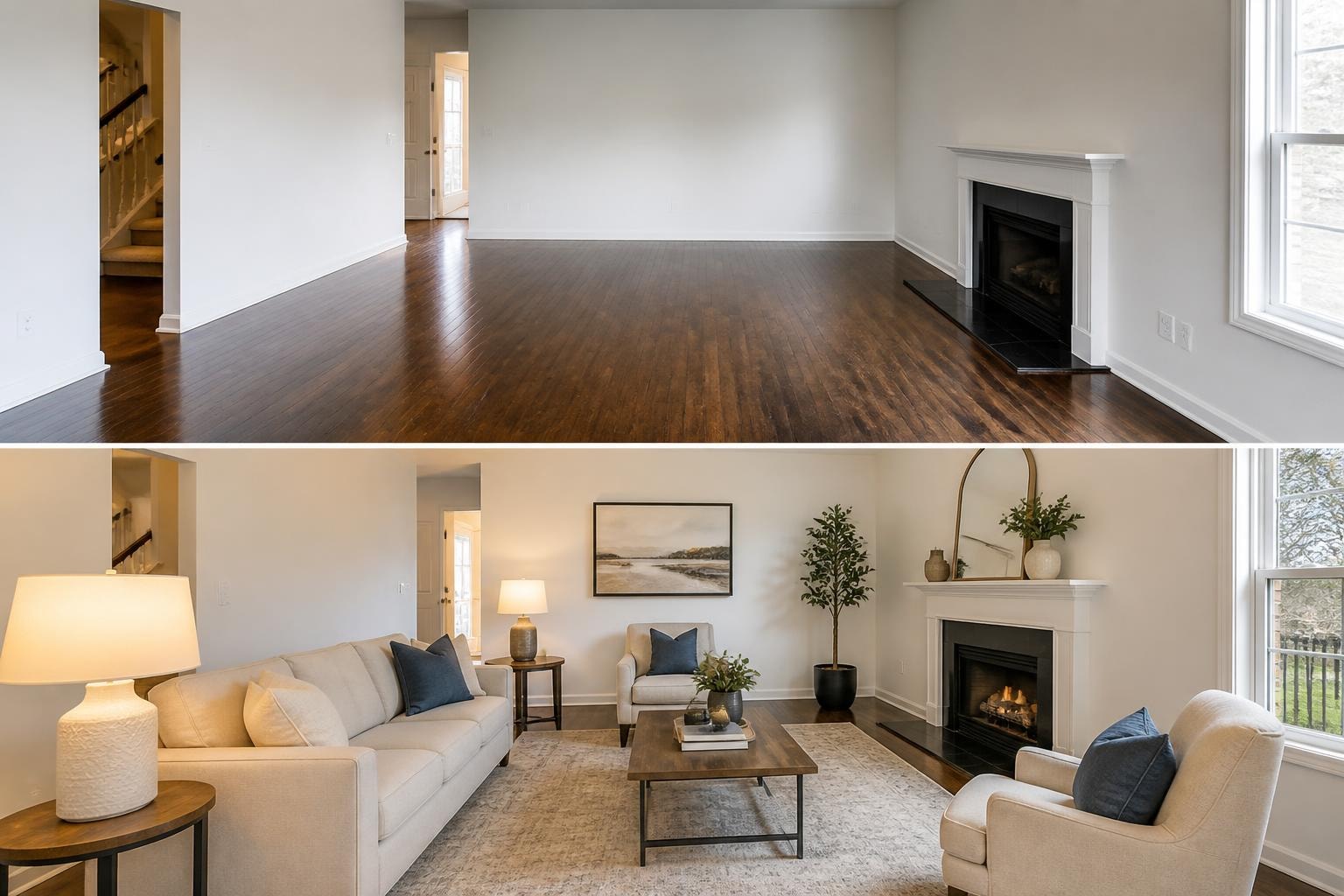

Selling a home in today's competitive real estate market requires more than just listing a property and hoping for the best. Staging for sale has become an essential strategy that transforms how potential buyers perceive a property, creating emotional connections that drive offers and accelerate sales. This proven approach strategically arranges furniture, decor, and accessories to highlight a home's best features while minimizing distractions, allowing buyers to envision their future in the space. Whether you're preparing a luxury estate or a cozy starter home, understanding the fundamentals of staging for sale can significantly impact your bottom line and selling timeline.
Why Staging for Sale Matters in 2026
The real estate landscape has evolved dramatically, with buyers conducting extensive online research before scheduling in-person viewings. First impressions now happen digitally, making professional presentation absolutely critical.
Staged homes consistently outperform their unstaged counterparts across multiple metrics. Research shows that staged properties sell faster, often within 23 days compared to 184 days for unstaged homes. The financial benefits extend beyond speed, as staged properties can lead to faster sales and better offers by helping buyers emotionally connect with the space.
The Psychology Behind Effective Staging
Staging for sale works because it addresses fundamental psychological principles that influence purchasing decisions. Buyers make emotional judgments within seconds of entering a property, often following what experts call the "11-second rule" for first impressions.
When buyers encounter a thoughtfully staged home, they experience:
Reduced cognitive load through organized, purposeful spaces
Enhanced spatial perception that makes rooms feel larger and more functional
Emotional resonance with lifestyle aspirations the staging represents
Decreased renovation anxiety by showcasing move-in ready appeal
These psychological triggers transform passive observers into motivated buyers willing to submit competitive offers. Understanding what today's buyers value most helps inform strategic staging decisions that highlight desirable features.
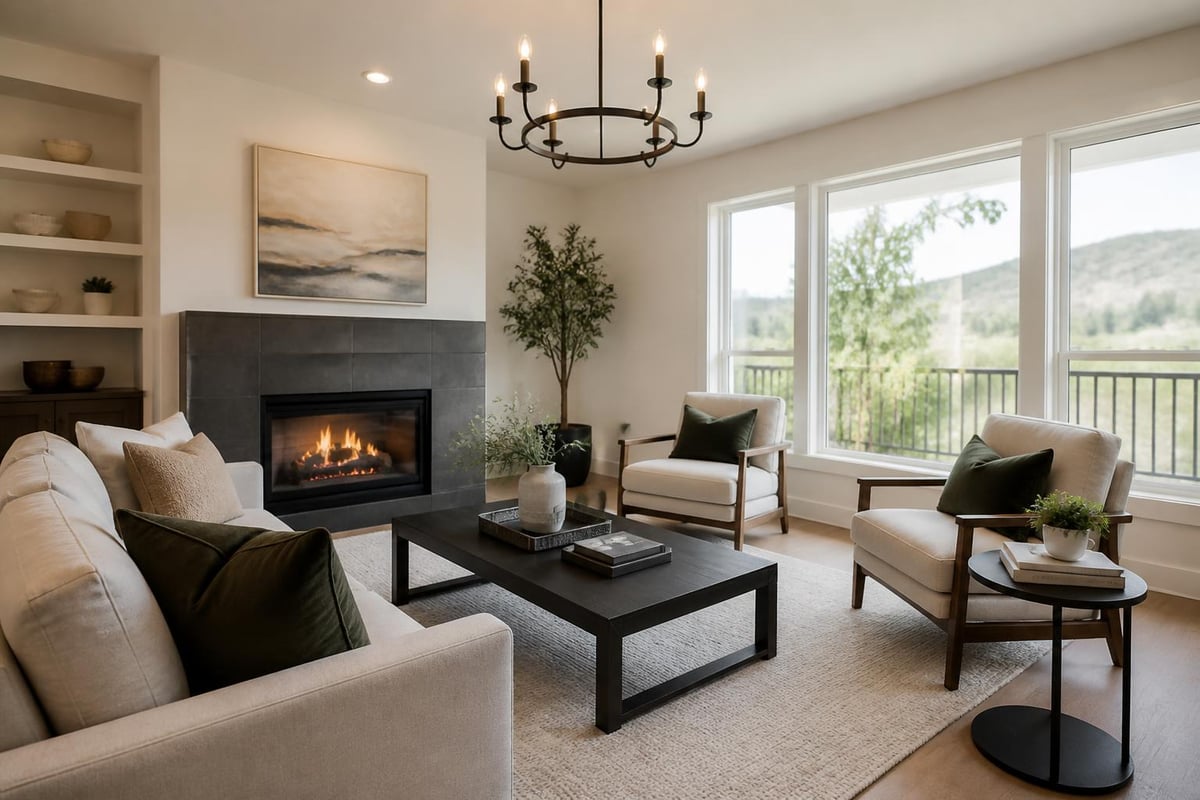
Strategic Approaches to Staging for Sale
Every property presents unique opportunities and challenges, requiring tailored staging strategies that maximize appeal while working within budget constraints.
Full-Service Professional Staging
Professional staging delivers comprehensive transformation, particularly valuable for vacant properties or homes requiring significant aesthetic updates. This approach includes furniture rental, decor accessories, artwork, and complete room design.
Staging Type | Best For | Average Investment | Typical ROI |
|---|---|---|---|
Full-Service | Vacant homes, luxury properties | $3,000-$10,000 | 5-15% above asking |
Partial Staging | Occupied homes needing enhancement | $1,500-$4,000 | 3-8% above asking |
Consultation Only | DIY sellers with existing furniture | $300-$800 | Variable |
For properties in the luxury market segment, investing in premium staging becomes even more critical. The Luxury Home Staging (Lux Package) represents this elevated approach, featuring high-end furniture, curated artwork, and sophisticated styling throughout key living areas that create the polished, market-ready presentation luxury buyers expect.
Occupied Home Staging
Many homeowners continue living in their property during the sales process, requiring a different staging approach that balances daily functionality with market appeal.
The process involves strategic editing rather than complete transformation:
Remove personal items and family photos
Reduce furniture by 30-50% to enhance spaciousness
Neutralize bold color choices with paint or accessories
Deep clean and repair minor issues
Add strategic styling elements in high-impact areas
This approach, detailed in comprehensive guides on how to stage your house to sell, maintains livability while creating the depersonalized canvas buyers need to imagine themselves in the space.
Room-by-Room Staging Priorities
Effective staging for sale requires understanding which spaces deliver the highest return on investment and where buyers focus their attention during showings.
Living Areas and Great Rooms
The living room serves as the emotional heart of most homes, establishing the overall lifestyle narrative. This space should communicate comfort, sophistication, and functionality through careful furniture arrangement and styling.
Key staging elements include:
Furniture scaled appropriately for room dimensions
Clear traffic patterns that enhance flow
Focal point creation through artwork or architectural features
Layered lighting from multiple sources
Minimal, tasteful accessories that add personality without clutter
Professional home staging services understand how to balance these elements to create inviting spaces that photograph beautifully and resonate with in-person visitors.
Kitchen and Dining Spaces
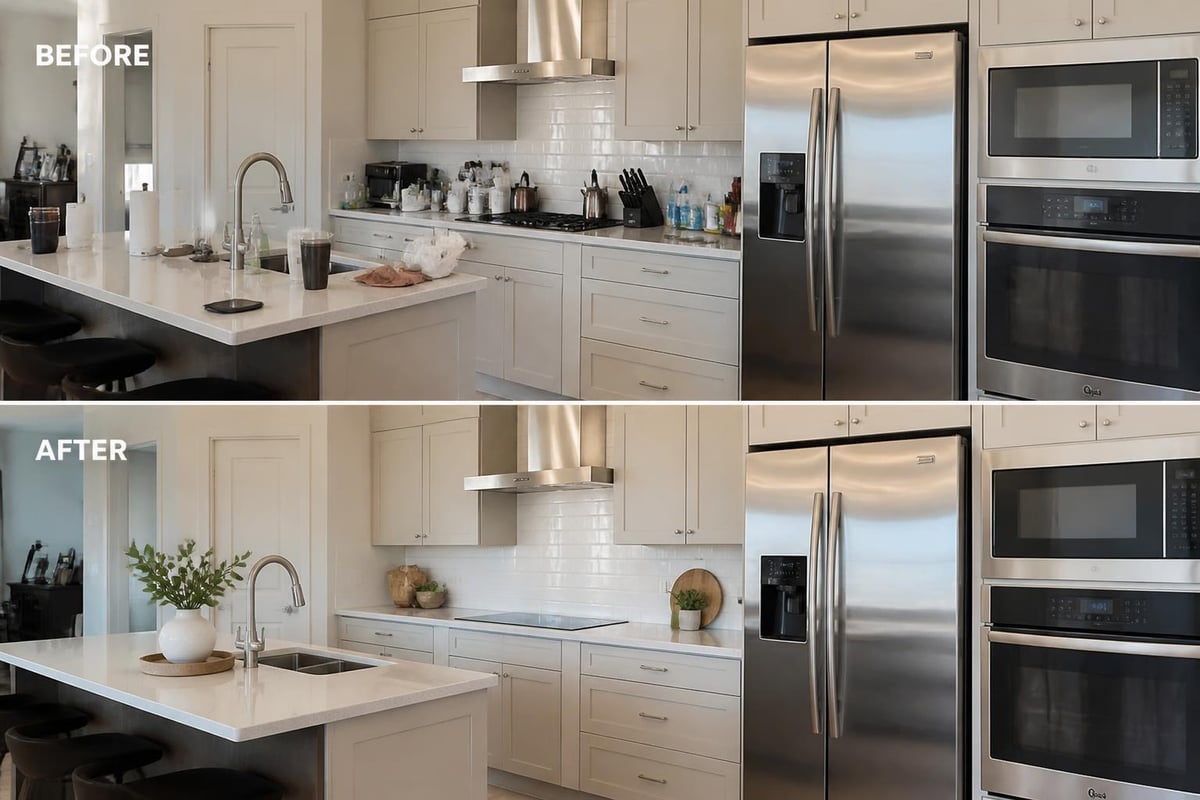
Kitchens consistently rank among the most influential rooms in buying decisions, making them critical focus areas for staging efforts. Buyers scrutinize these spaces for functionality, storage, and entertaining potential.
Create maximum appeal through:
Completely cleared countertops except for 1-2 decorative elements
Organized pantries and cabinets (buyers will look inside)
Fresh flowers or fruit bowls as natural accents
Updated hardware if existing fixtures appear dated
Staged dining tables set for 4-6 people to suggest gathering spaces
Primary Bedrooms and Bathrooms
These private retreats should communicate relaxation, luxury, and spa-like serenity. Staging for sale in bedrooms focuses on creating hotel-inspired environments that feel aspirational yet attainable.
Space | Must-Have Elements | Avoid |
|---|---|---|
Primary Bedroom | Layered bedding, symmetrical nightstands, soft lighting | Personal photos, exercise equipment, office areas |
Primary Bathroom | Fresh towels, clear counters, luxury touches | Toiletries, medications, personal items |
Guest Bedrooms | Defined purpose, minimal furniture, fresh linens | Storage overflow, multi-purpose clutter |
Budget-Conscious Staging Strategies
Not every seller has unlimited resources for staging preparation, but effective staging for sale remains accessible through strategic prioritization and creative solutions.
High-Impact, Low-Cost Improvements
Focus investment where it generates maximum visual and emotional impact:
Fresh paint in neutral colors (typically under $500 for key rooms)
Professional cleaning including carpets and windows ($200-400)
Curb appeal enhancements through landscaping and entrance staging ($300-600)
Strategic furniture rental for 2-3 key rooms only ($800-1,500/month)
Lighting upgrades to brighten dark spaces ($150-400)
These targeted improvements, outlined in resources about low-cost staging alternatives, deliver substantial visual transformation without requiring complete home overhauls.
DIY Staging Guidelines
Sellers willing to invest time can implement many staging principles independently. Start by decluttering ruthlessly, removing 50% of visible belongings to create spacious, clean environments.
Follow the "less is more" principle in every room. Each space should have clear purpose and contain only furniture necessary for that function. Explore our portfolio for inspiration on how professional stagers create impactful presentations.
Timing and Market Considerations
The staging for sale timeline significantly impacts both cost and effectiveness, requiring careful coordination with listing schedules and market conditions.
Optimal Staging Duration
Most professional staging agreements run 30-90 days, aligning with typical market absorption rates. In competitive markets like San Diego, staged homes often sell within the initial listing period, making the investment particularly cost-effective.
Plan staging installation:
2-3 days before photography to ensure everything is pristine
During weekdays to minimize neighborhood disruption
After all repairs are completed to avoid staging damage
Understanding the full costs of selling a house helps sellers budget appropriately for staging alongside other selling expenses like commissions and closing costs.
Seasonal Staging Adjustments
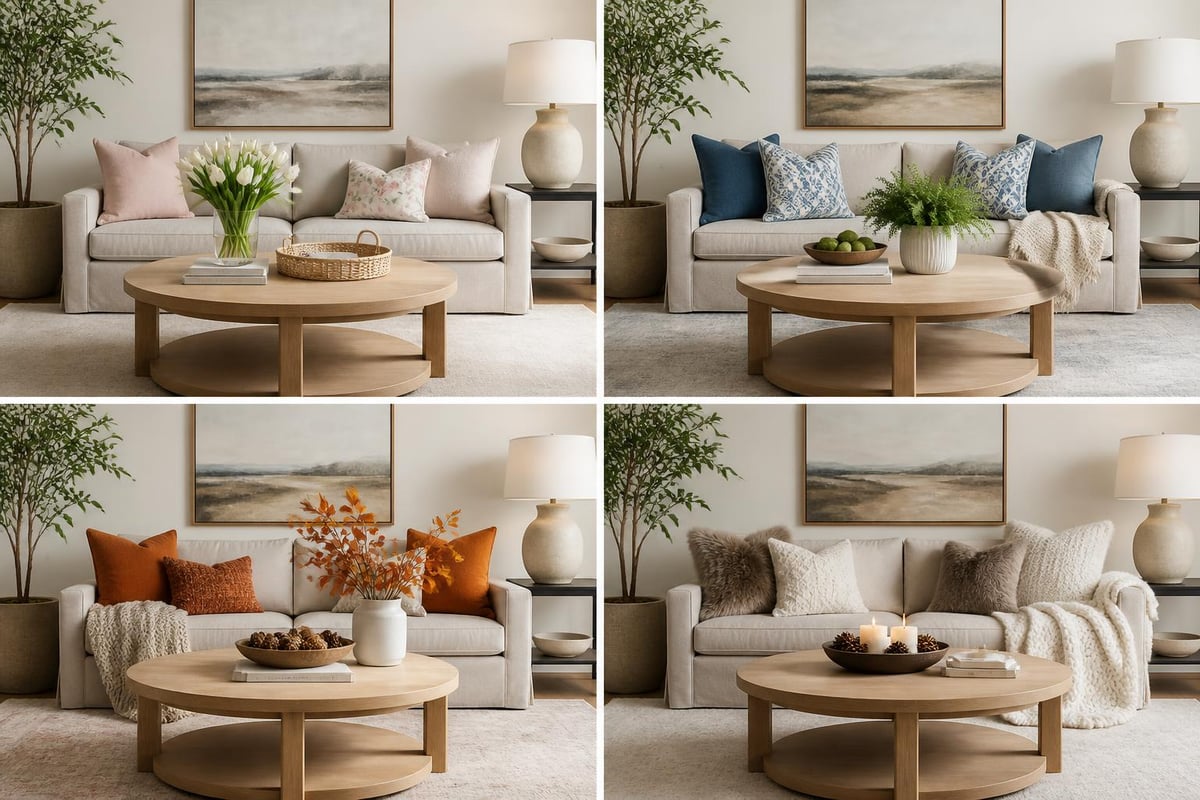
Staging strategies should adapt to seasonal buying patterns and regional climate considerations. Spring and summer markets typically demand bright, airy presentations, while fall and winter staging incorporates warmer textures and cozy elements.
In San Diego's year-round market, emphasis on indoor-outdoor living and lifestyle amenities remains constant, though seasonal accents provide subtle temporal context.
Vacant Property Staging Challenges
Empty homes present unique staging challenges that require specialized approaches. Without furniture and decor, rooms appear smaller, architectural flaws become more apparent, and buyers struggle to gauge scale and functionality.
The Vacant Home Disadvantage
Statistics reveal that staging vacant houses becomes particularly important because empty properties:
Sell for 6-10% less than staged equivalents
Remain on market significantly longer
Generate fewer showings and lower offer rates
Photograph poorly in marketing materials
Professional vacant home staging solves these problems through complete furnishing packages that transform empty shells into inviting, aspirational spaces.
Virtual Staging Considerations
Technology now offers virtual staging alternatives where furniture and decor are digitally added to photos. While significantly less expensive ($50-150 per room), virtual staging carries important limitations and potential drawbacks.
Advantages:
Extremely cost-effective for initial marketing
Unlimited design iterations
No physical logistics or installation
Disadvantages:
Must disclose virtual nature to avoid buyer disappointment
Creates disconnect during in-person showings
May reduce trust if not properly communicated
Cannot replace physical staging for showings
Most successful sellers use virtual staging for online marketing while investing in physical staging for key rooms that buyers will experience during tours.
Measuring Staging Success
Evaluating whether staging for sale delivers promised results requires tracking specific metrics beyond just final sale price.
Key Performance Indicators
Metric | Unstaged Baseline | Staged Target | How to Measure |
|---|---|---|---|
Days on Market | 45-60 days | 20-30 days | MLS listing data |
Showing Requests | 8-12 | 15-25 | Agent feedback |
Offer Quantity | 1-2 | 3-5 | Submitted offers |
Sale Price vs. List | 95-98% | 100-105% | Final settlement |
Work closely with your real estate agent to monitor these indicators throughout the listing period, making adjustments if performance lags expectations.
Agent and Buyer Feedback
Qualitative feedback provides valuable insights beyond numerical metrics. Request detailed showing feedback from buyer agents to understand how staging influences perceptions.
Common positive indicators include comments about move-in ready condition, excellent presentation, and strong emotional appeal. Red flags emerge when multiple buyers mention similar concerns about specific rooms or features.
Professional Staging Investment Decisions
Determining whether to hire professional stagers requires honest assessment of your property, market position, and personal capabilities.
When Professional Staging Is Essential
Certain scenarios make professional staging virtually mandatory for competitive positioning:
Luxury properties above $800,000 where buyer expectations are extremely high
Vacant homes requiring complete furnishing
Dated properties needing aesthetic updates without full renovation
Challenging layouts where furniture placement expertise maximizes perceived space
Competitive markets with multiple similar listings
Explore whether professional home stagers are worth the investment based on your specific property and market conditions.
Finding the Right Staging Partner
Selecting a staging company requires evaluating experience, portfolio quality, and service flexibility. Look for partners who:
Maintain diverse furniture inventory across multiple style categories
Provide clear pricing without hidden fees
Show proven results through case studies and testimonials
Offer flexible packages accommodating various budgets
Understand local market preferences and buyer demographics
Review the about us sections and portfolios of staging companies to assess their aesthetic sensibility and professional approach.
Staging Mistakes That Cost Sales
Even well-intentioned staging efforts can backfire when sellers make common errors that diminish rather than enhance property appeal.
Over-Personalization and Style Mismatches
The goal of staging for sale is creating broad market appeal, not showcasing individual design preferences. Avoid highly specific themes, bold color schemes, or niche decor styles that limit buyer imagination.
Common over-personalization mistakes include:
Religious or political decor
Highly specific hobby displays
Overly trendy design that quickly dates
Extreme color palettes in furniture or accessories
Neutral doesn't mean boring. It means creating sophisticated, timeless presentations that appeal across demographic segments.
Ignoring Maintenance and Repairs
No amount of staging can overcome obvious deferred maintenance. Buyers interpret visible repairs as indicators of hidden problems, immediately reducing perceived value and generating lowball offers.
Address these issues before staging installation:
Cracked or missing tiles
Damaged flooring or stained carpets
Non-functional fixtures or appliances
Water stains indicating leaks
Chipped paint or damaged walls
The expert tips shared by property professionals emphasize that strong first impressions depend equally on condition and presentation.
The Future of Staging for Sale
As real estate marketing evolves, staging strategies adapt to incorporate new technologies and shifting buyer preferences while maintaining core principles of creating emotional connection and highlighting property potential.
Technology Integration
Modern staging increasingly incorporates technology to enhance both marketing and buyer experience:
3D virtual tours allowing remote viewing with staged environments
Augmented reality apps enabling buyers to visualize different furniture arrangements
Drone photography showcasing staged outdoor living spaces and property context
Video walkthroughs providing cinematic tours of staged homes
These tools complement physical staging rather than replacing it, creating comprehensive marketing packages that reach buyers through multiple channels.
Evolving Design Trends
Staying current with design preferences ensures staging feels fresh and relevant. In 2026, buyers increasingly value:
Sustainable materials and eco-conscious design elements
Multi-functional spaces accommodating remote work
Wellness-focused features in bedrooms and bathrooms
Indoor-outdoor connectivity in suitable climates
Smart home integration and modern technology
Professional stagers monitor these trends, updating inventory and design approaches to maintain contemporary appeal. Check our luxury staging approaches to see how elevated design meets current market preferences.
Staging for sale represents one of the most effective investments sellers can make to maximize property value and minimize time on market. By understanding buyer psychology, prioritizing high-impact spaces, and partnering with experienced professionals, you create the compelling presentation that transforms casual browsers into motivated buyers. Stage Joy brings extensive home staging expertise and flexible, budget-friendly packages to San Diego sellers ready to showcase their properties' full potential. Contact our team today to discover how customized staging solutions can help your home sell faster and for more.