
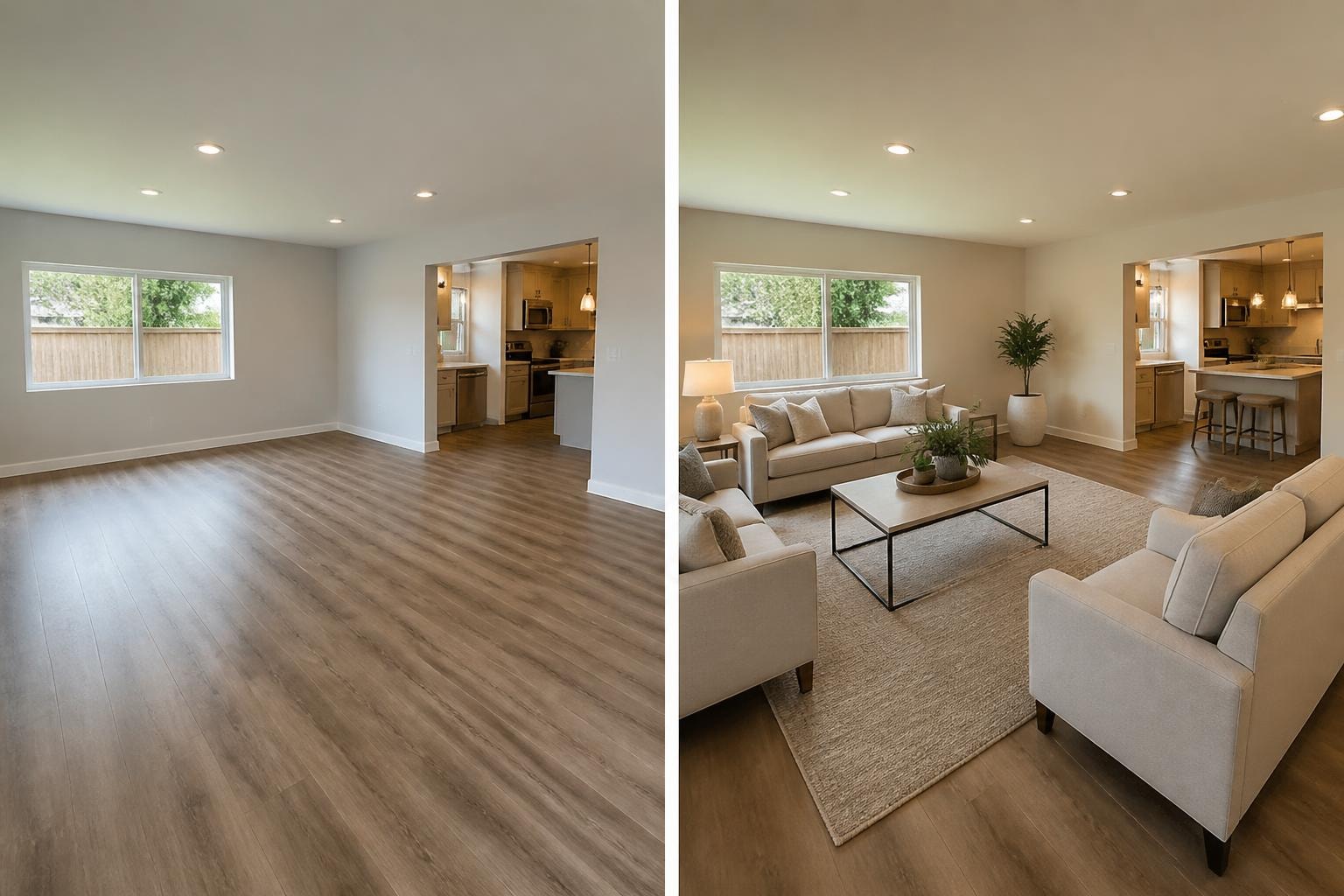

Selling a home in today's competitive market requires more than just listing it online and hoping for the best. Strategic staging to sell has become an essential investment that can significantly impact both the speed of your sale and the final price you receive. When potential buyers walk through a property or browse listing photos, they're not just evaluating square footage and amenities-they're envisioning themselves living in that space. Professional staging creates an emotional connection that transforms casual browsers into serious buyers.
Why Staging to Sell Makes Financial Sense
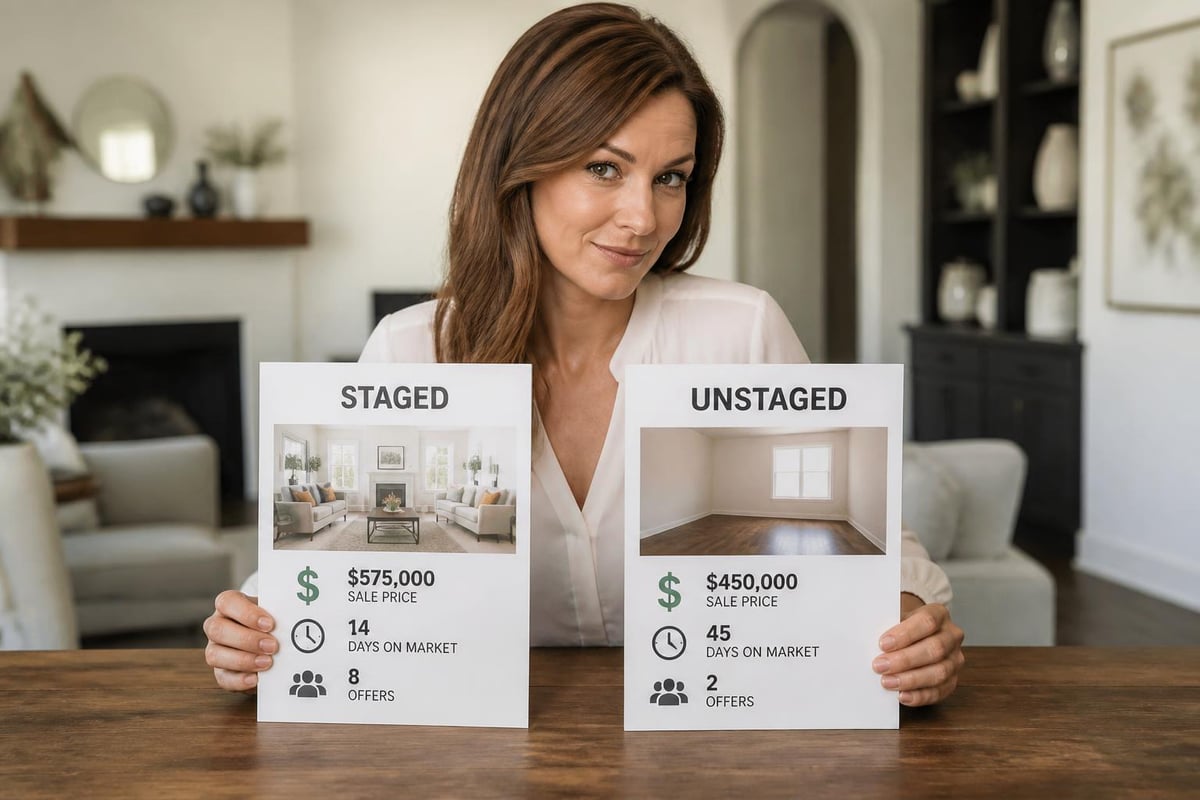
The return on investment for home staging consistently outperforms most other pre-sale improvements. Properties that undergo professional staging typically sell faster and command higher prices than comparable unstaged homes. This advantage stems from staging's ability to showcase a property's full potential while minimizing any perceived flaws.
Key financial benefits include:
Reduced time on market, often by 30-50%
Higher sale prices, with staged homes averaging 5-15% more than unstaged properties
Fewer price reductions during the listing period
Stronger first impressions that generate multiple offers
Research from Redfin shows that staging can lead to faster sales and better offers, making it a strategic decision rather than an optional expense. The investment in staging to sell typically represents less than 1% of the home's value while potentially increasing the final sale price by thousands of dollars.
Budget considerations matter, but staging doesn't always require extensive spending. Understanding the costs associated with selling a house helps sellers allocate resources effectively. Many staging companies offer flexible packages that work with various budgets while still delivering impressive results.
Essential Rooms That Demand Staging Attention
Not every room in your home requires equal staging effort. Strategic focus on high-impact areas delivers the best results for your investment. Buyers make rapid judgments about properties, so these key spaces must immediately communicate quality and lifestyle potential.
Living Room Presentation
The living room serves as the heart of most homes and requires careful attention during staging to sell. This space should feel inviting yet spacious, comfortable yet sophisticated. Remove excess furniture to create clear pathways and highlight architectural features. Neutral paint colors appeal to the broadest buyer demographic while allowing them to envision their own style preferences.
Proper furniture arrangement creates conversation areas that demonstrate the room's functionality without feeling cramped. According to staging experts at Nationwide, creating a focal point-whether a fireplace, large window, or feature wall-helps buyers immediately understand the room's purpose and potential.
Kitchen Transformation Strategies
Staging Element | Impact Level | Cost Range |
|---|---|---|
Decluttered countertops | High | Free |
Updated hardware | Medium | $50-200 |
Fresh paint/backsplash | High | $200-800 |
Modern light fixtures | Medium | $100-400 |
Staged vignettes | High | Free-$100 |
Kitchens heavily influence buying decisions because they represent significant renovation expenses if buyers perceive problems. Counter space should be completely clear except for one or two stylish accessories. Cabinet interiors should be organized to suggest ample storage, and outdated fixtures should be replaced with modern alternatives when budget allows.
Primary Suite Appeal
The primary bedroom must communicate relaxation and luxury. Buyers envision their most personal space here, so staging to sell requires creating a hotel-like retreat atmosphere. Crisp bedding in neutral tones, minimal furniture, and strategic lighting transform ordinary bedrooms into aspirational sanctuaries.
Connected bathrooms deserve equal attention. Fresh towels, cleared counters, and spa-like accessories elevate the perceived value. Small upgrades like new faucets, updated mirrors, or improved lighting create disproportionate positive impacts on buyer perception.
Preparing Your Property for Staging Success
Before professional staging begins, several preparatory steps ensure optimal results. These foundational tasks allow staging elements to shine rather than compete with maintenance issues or personal clutter.
Deep Cleaning and Repairs
Every surface must be immaculate. Fidelity recommends comprehensive cleaning and decluttering as the foundation of effective staging to sell. Buyers interpret cleanliness as a sign of overall property care, while dirty or worn surfaces suggest deferred maintenance throughout the home.
Critical cleaning priorities:
Windows inside and out for maximum natural light
Carpets professionally cleaned or replaced if severely worn
All surfaces dusted, including ceiling fans and light fixtures
Grout cleaned or re-sealed in bathrooms and kitchens
Exterior pressure washing for curb appeal
Minor repairs prevent buyers from mentally calculating renovation costs during viewings. Fix leaky faucets, squeaky doors, loose handles, and any visible damage. These small investments prevent disproportionate concerns about hidden problems.
Depersonalization and Decluttering
Personal items prevent buyers from envisioning their own lives in the space. Family photos, collections, and unique décor preferences should be packed away during the staging to sell process. This doesn't mean creating a cold, sterile environment-rather, it establishes a neutral canvas that appeals to diverse tastes.
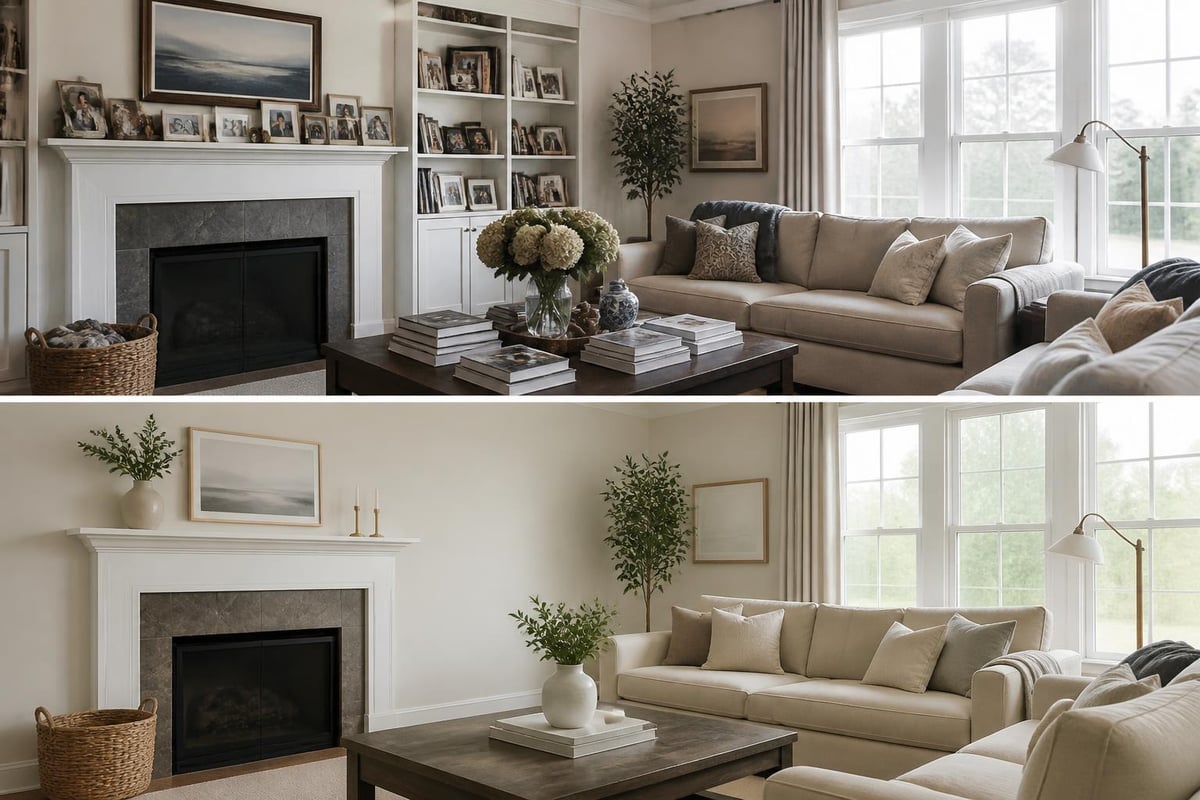
Closets and storage areas often receive scrutiny from serious buyers. Reducing stored items by 30-50% makes spaces appear larger and more functional. When staging your house for sale following Zillow's guidance, remember that spaciousness sells-both visually and practically.
Advanced Staging Techniques for Maximum Impact
Professional staging extends beyond simple furniture arrangement. Sophisticated techniques create psychological responses that motivate buyers to submit strong offers.
Lighting Strategy
Proper illumination transforms spaces and influences mood. Maximize natural light by opening curtains and cleaning windows thoroughly. Add supplementary lighting in darker corners, replacing dim bulbs with brighter alternatives. Layered lighting-combining ambient, task, and accent sources-creates depth and visual interest.
Color Psychology and Neutral Palettes
While vibrant colors express personality, neutral tones allow buyers to project their own visions onto the space. Soft grays, warm beiges, and crisp whites create sophisticated backdrops that photograph beautifully and appeal broadly. Accent colors should appear through easily changeable elements like pillows, artwork, or flowers rather than permanent fixtures.
Creating Lifestyle Vignettes
Thoughtful styling tells stories about how buyers might use each space. A breakfast nook staged with coffee cups and a newspaper suggests leisurely mornings. A reading chair with a cozy throw and side table evokes relaxation. These carefully curated moments help buyers emotionally connect with the property beyond its physical features.
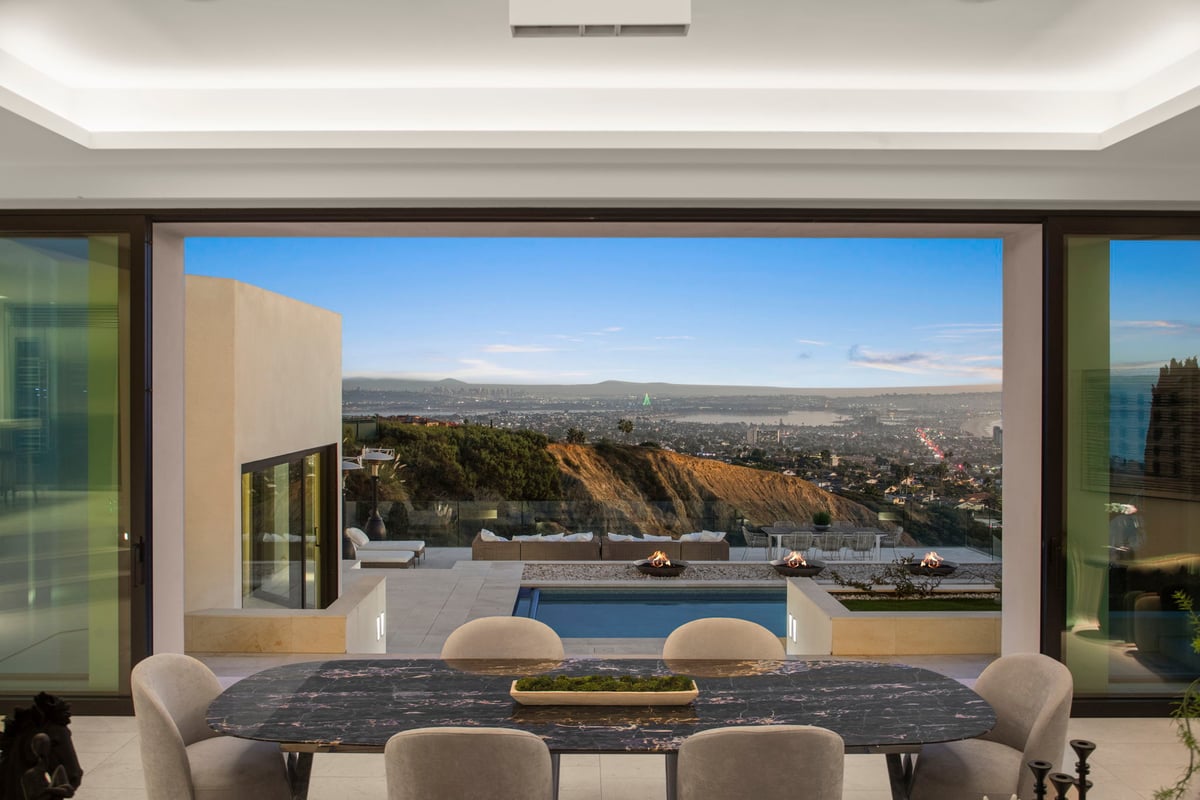
For sellers seeking premium positioning in competitive markets, understanding luxury home staging approaches provides insights into elevated presentation strategies. High-end properties demand particularly sophisticated styling that reflects the lifestyle buyers expect at premium price points.
Curb Appeal and First Impressions
Buyers form lasting opinions within seconds of arriving at a property. Exterior presentation determines whether they approach the front door with excitement or skepticism.
Landscape and Entry Enhancement
Well-maintained landscaping signals overall property care. Trim overgrown shrubs, edge walkways, add fresh mulch, and plant seasonal flowers for color. The front door deserves special attention-a fresh coat of paint, new hardware, and an attractive welcome mat create immediate positive impressions.
Exterior staging checklist:
Power wash siding, walkways, and driveways
Clean or replace worn doormats
Ensure house numbers are visible and attractive
Add symmetrical planters flanking the entrance
Replace outdoor light fixtures if dated
Remove visible hoses, tools, or maintenance equipment
Outdoor Living Spaces
Patios, decks, and yards should be staged as extensions of interior living areas. Clean outdoor furniture, add comfortable cushions, and create defined zones for dining or lounging. Even modest yards can suggest entertainment potential when properly presented.
Working With Professional Staging Services
Professional home staging services bring expertise that accelerates the selling process. Experienced stagers understand current buyer preferences, photography requirements, and market-specific presentation standards that maximize appeal.
What Professional Stagers Provide
Beyond furniture rental, professional staging encompasses strategic design decisions based on your property's unique characteristics and target buyer demographics. Stagers evaluate traffic flow, architectural features, and competitive positioning to create presentations that differentiate your listing.
The Luxury Home Staging (Lux Package) represents comprehensive staging designed for properties where presentation directly impacts perceived value and buyer demand. This elevated approach includes premium furniture, layered textures, statement pieces, and refined styling throughout the home, creating the polished presentation necessary for high-end markets.
Consultation and Customization
Initial consultations allow stagers to understand your timeline, budget, and property challenges. They identify which rooms require full staging versus simple restyling of existing furnishings. This customized approach ensures efficient resource allocation while maximizing impact.

Many sellers wonder whether hiring a professional home stager provides sufficient value to justify the expense. The answer typically depends on property price point, local market competition, and your timeline pressures. In markets like San Diego, where listing strategy significantly impacts results, professional staging often represents the difference between languishing listings and quick, profitable sales.
Staging Vacant Properties Versus Occupied Homes
Different staging approaches apply depending on whether you've already moved out. Each scenario presents unique opportunities and challenges for staging to sell effectively.
Vacant Home Advantages
Empty properties photograph beautifully when staged properly because professionals control every visual element. Vacant staging allows dramatic transformations that completely redefine how buyers perceive spaces. Without existing furniture constraints, stagers optimize furniture placement, scale, and style for maximum appeal.
However, vacant homes feel cold and uninviting without staging intervention. Buyers struggle to gauge room sizes accurately in empty spaces, often underestimating square footage. For those exploring vacant home staging options, professional assistance transforms liability into significant competitive advantage.
Occupied Home Considerations
Staging while you're still living in the property requires different strategies. Stagers work with your existing furniture when possible, supplementing with rental pieces as needed. The challenge involves maintaining show-ready conditions during your daily routine-not always easy with families, pets, or work-from-home requirements.
Staging Type | Typical Cost | Flexibility | Photography Impact |
|---|---|---|---|
Vacant staging | $2,000-8,000+ | High | Excellent |
Occupied consultation | $300-800 | Medium | Good |
Partial occupied staging | $1,500-4,000 | Medium | Very Good |
Full occupied staging | $3,000-10,000+ | Lower | Excellent |
Common Staging Mistakes to Avoid
Even well-intentioned sellers make errors that undermine their staging to sell efforts. Recognizing these pitfalls helps you avoid costly missteps.
Over-Personalization
Maintaining too much personal style defeats staging's purpose. Your unique taste-however excellent-limits the number of buyers who connect with the space. Err toward generic rather than distinctive when making staging decisions.
Ignoring Odors
Nose blindness prevents homeowners from detecting lingering odors from pets, cooking, or smoking. These smells dramatically impact buyer perception, often causing immediate rejection. Professional cleaning, fresh paint, and improved ventilation address most odor concerns before staging begins.
Inadequate Furniture Scale
Oversized furniture makes rooms feel cramped, while undersized pieces suggest inadequate space. Professional stagers understand proportions that showcase room dimensions accurately while maintaining comfortable, livable presentations.
Poor Quality in Key Areas
Attempting DIY staging with worn furniture or cheap accessories backfires. Buyers notice quality differences immediately. If budget constraints limit full-home professional staging, prioritize resources toward high-impact areas with quality pieces rather than spreading thin across every room.
Measuring Staging Success
Effective staging to sell produces measurable results throughout the listing period. Track specific metrics to evaluate whether your staging investment delivers expected returns.
Market Response Indicators
Initial showing requests and open house attendance reveal immediate buyer interest levels. Staged properties typically generate significantly more showing activity than comparable unstaged listings. Online listing views and social media engagement also indicate whether your staged presentation resonates with target buyers.
Offer Quality and Timing
The true test arrives when offers materialize. Multiple offers suggest strong staging impact, as does receiving asking price or higher. Time on market provides another clear indicator-most professionally staged homes sell within 30-60 days in normal market conditions.
Strong staging creates urgency because buyers fear losing a move-in-ready property. Understanding which home features today's buyers prioritize helps stagers emphasize elements that trigger competitive bidding.
Photography Performance
Professional real estate photography captures staging investments effectively. Review your listing photos critically-do they showcase your home's best features? Do rooms appear spacious, bright, and inviting? Poor photography undermines even excellent staging, so invest in quality real estate photography that complements your staging efforts.
Seasonal Staging Considerations
Market timing influences staging to sell approaches. Different seasons present unique opportunities and challenges that smart sellers leverage.
Spring and Summer Strategies
Peak selling seasons allow outdoor space emphasis. Stage patios for entertaining, showcase gardens in bloom, and maximize natural light through open window treatments. Lighter color palettes and fresh flowers reflect seasonal energy that buyers find appealing.
Fall and Winter Approaches
Cooler months require creating cozy, warm environments. Textured throws, ambient lighting, and seasonal décor without holiday-specific elements maintain broad appeal. Emphasize home comfort features like fireplaces, reading nooks, and efficient heating systems.
Technology and Virtual Staging Options
Digital tools have transformed how properties reach potential buyers, creating new staging considerations for online presentations.
Virtual Staging Benefits
For vacant properties, virtual staging offers cost-effective alternatives to physical furniture. Digital artists add realistic furniture and décor to photographs, allowing buyers to envision furnished spaces without rental expenses. However, transparency requires clear disclosure that images show virtual staging rather than physical furnishings.
Video Tours and 3D Walkthroughs
Immersive technology showcases staged properties to distant or time-constrained buyers. These tools have become essential marketing components, particularly for higher-priced properties where buyers conduct extensive online research before scheduling in-person visits.
Strategic staging to sell transforms properties from simple real estate listings into desirable homes that capture buyer imagination and inspire competitive offers. The investment in professional presentation consistently delivers returns through faster sales and higher final prices. When you're ready to maximize your property's market appeal and selling potential, Stage Joy brings extensive home staging and interior design expertise to San Diego properties. Our customized staging solutions highlight your property's best features while fitting your budget and timeline, ensuring your home stands out in today's competitive market.